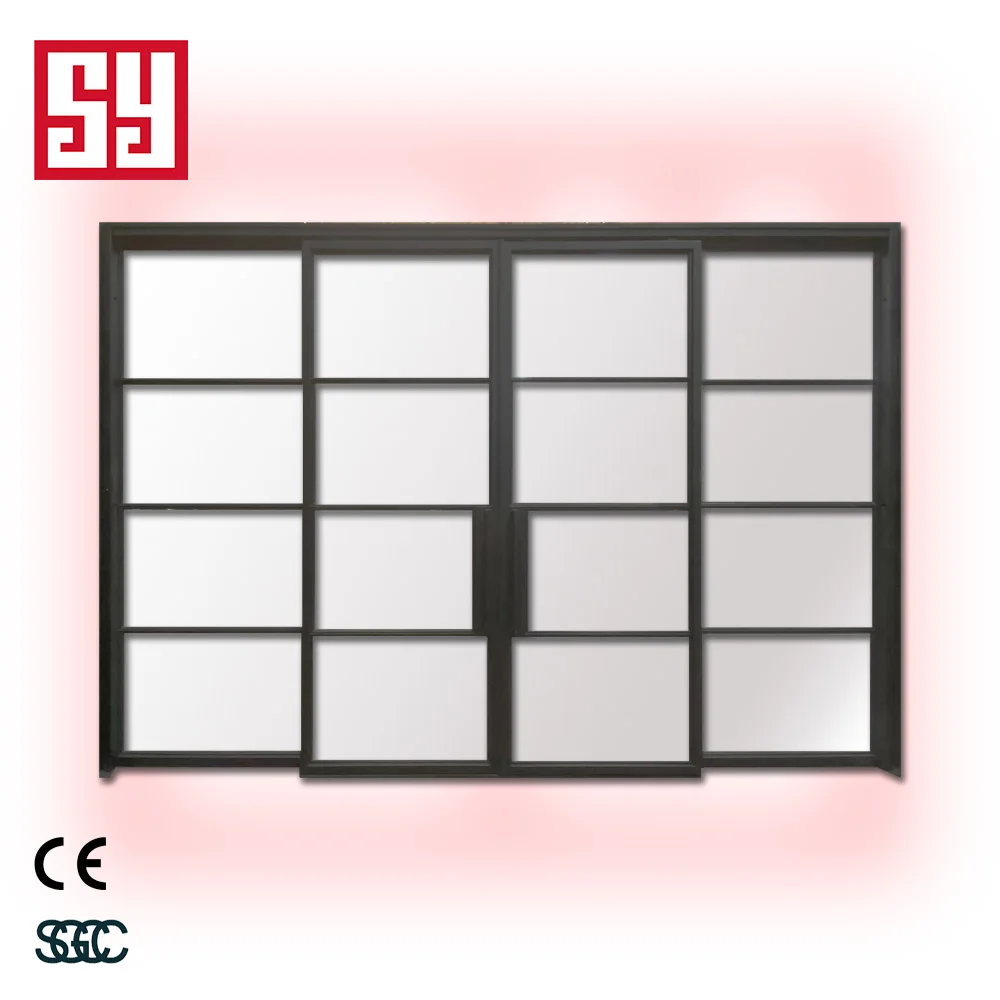
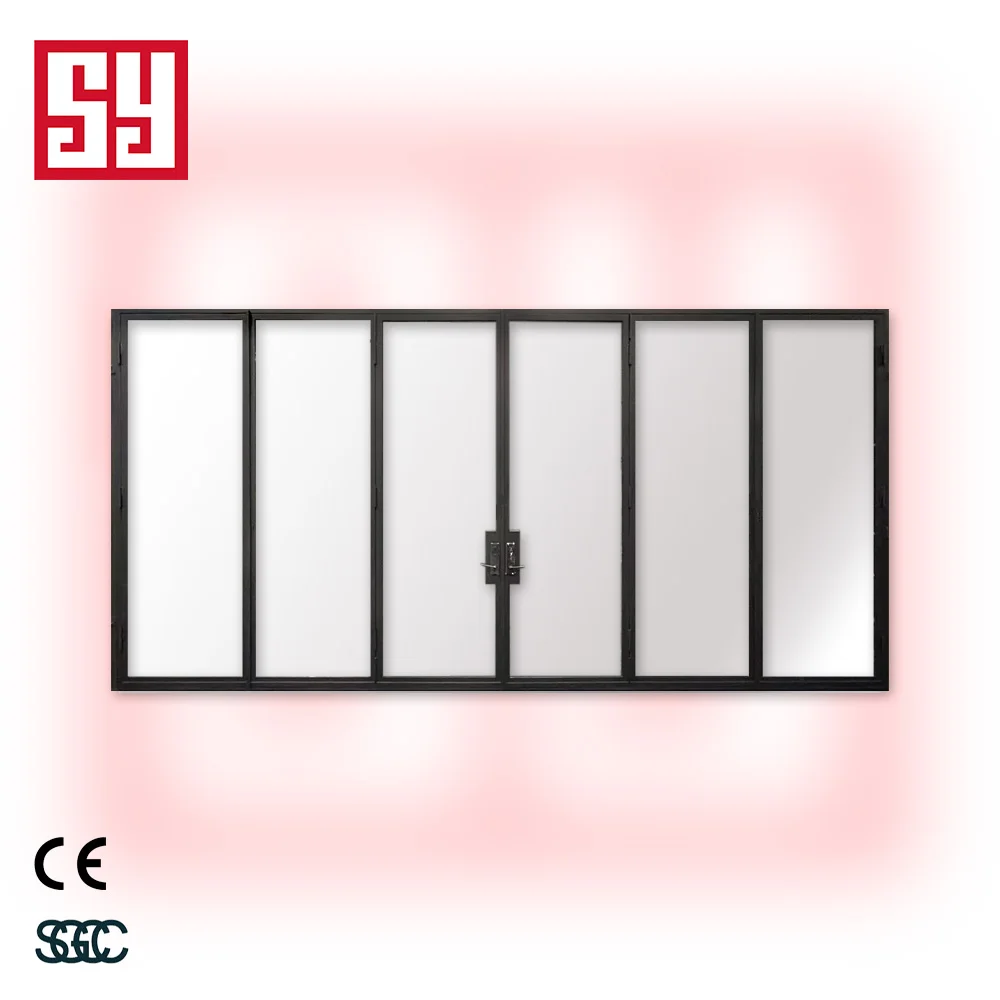
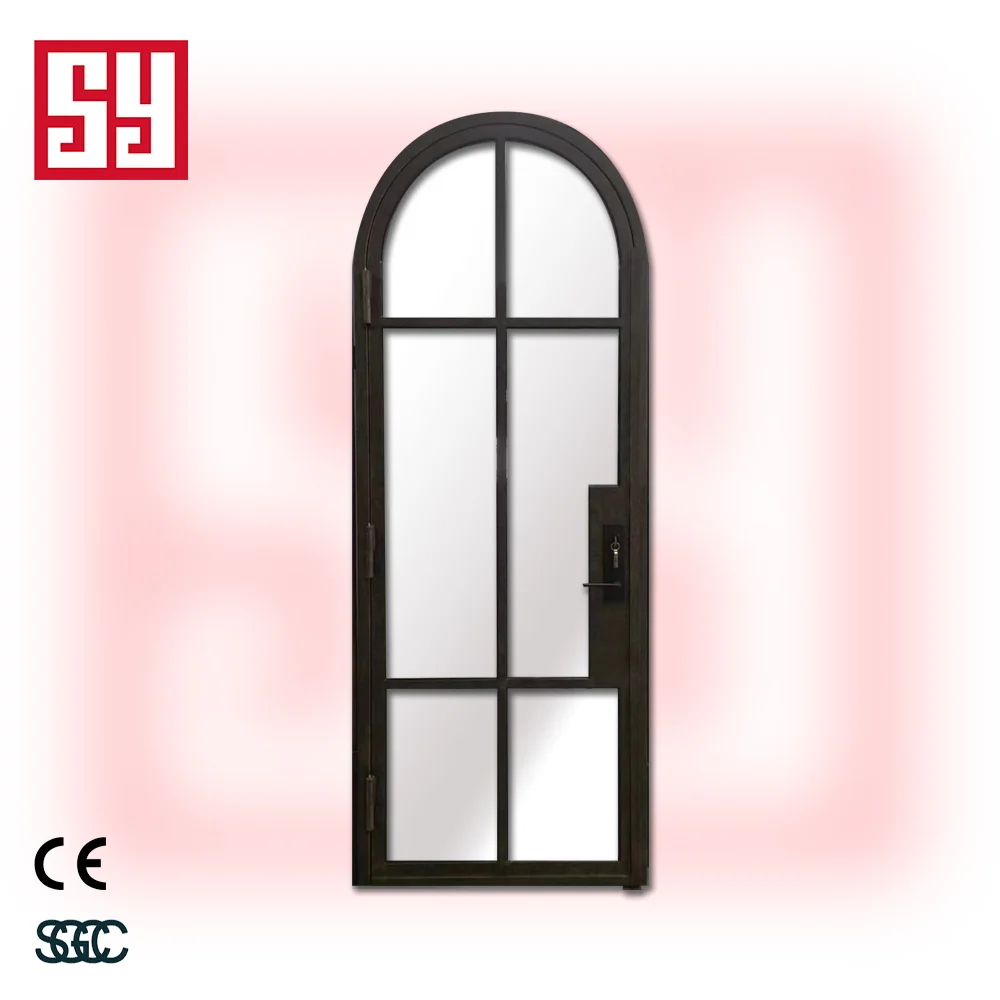
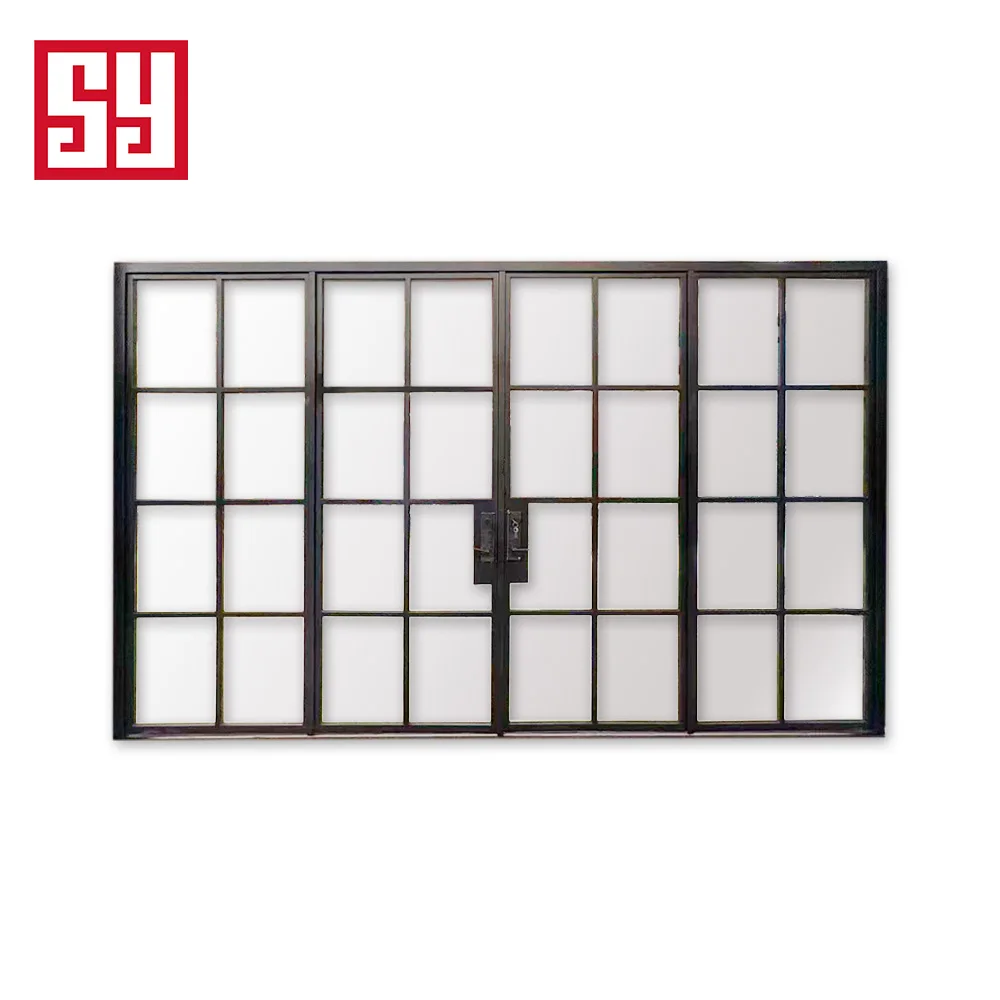
French doors have long been associated with elegance and natural light, but the material choice has traditionally been wood or aluminum. Steel changes the equation entirely. A steel French door brings structural integrity that wood simply cannot match and dimensional stability that aluminum struggles to achieve.
The steel frame, typically fabricated from hollow rolled sections, provides a rigid backbone that resists warping, twisting, and sagging over time. This matters because French doors, by their very nature, are wide openings with substantial glass areas—exactly the kind of configuration that puts maximum stress on frame materials. In a modern home, where open-concept living and indoor-outdoor flow are prized, these doors are often the centerpiece of the design. Choosing the right material is not just about aesthetics; it is about whether the door will still function properly five, ten, or fifteen years down the road.
The numbers tell the story. A properly engineered steel French door assembly can support significantly larger glass panels than a wooden counterpart without requiring bulky frame profiles that defeat the purpose of the design. Slim sightlines—the narrowest possible frame width between glass panels—are one of the defining aesthetic features of French doors. Steel's high strength-to-weight ratio allows manufacturers to achieve these slim profiles while maintaining structural performance that exceeds building code requirements for residential applications.
Consider a typical paired French door opening of 6 feet wide by 8 feet tall. A wood frame might require 3 to 4 inches of visible frame width on each side to maintain structural integrity, reducing the effective glass area significantly. A steel frame, by contrast, can achieve the same structural performance with visible frame widths of 1.5 to 2 inches. That difference—roughly 3 to 4 inches of additional glass width per door leaf—translates into substantially more daylight entering the space.
For homeowners, this means brighter interiors, a stronger visual connection to outdoor spaces, and a more open, airy feel throughout the home. The slim steel frame becomes almost invisible, allowing the glass and the view beyond to take center stage.
One of the historical criticisms of steel doors has been thermal conductivity. Steel is an excellent conductor of heat, which in theory means it can transfer outdoor temperatures to the interior more readily than wood or vinyl. However, modern steel French doors have addressed this challenge through thermal break technology.
A thermal break is essentially a barrier of low-conductivity material—typically polyamide or similar polymers—inserted between the interior and exterior faces of the steel frame. This breaks the thermal bridge that would otherwise allow heat to flow freely through the metal. The result is a door assembly that performs competitively with aluminum or even wood frames in terms of thermal insulation, while maintaining steel's structural advantages.
For projects in climates with extreme temperature ranges, thermally broken steel French doors can achieve U-values that meet or exceed energy code requirements. Double or triple glazing further enhances thermal performance, and advanced weather seals minimize air infiltration. The combination of thermal break technology and high-performance glazing means that steel French doors can now be specified for energy-sensitive projects without compromising on aesthetics or structural performance.
| Feature | Steel French Doors | Wood French Doors | Aluminum French Doors |
|---|---|---|---|
| Frame Width (visible) | 1.5–2 inches | 3–4 inches | 2–3 inches |
| Warping Resistance | Excellent | Poor over time | Moderate |
| Thermal Break Available | Yes | N/A | Yes |
| Structural Strength | Highest | Moderate | Moderate |
Noise control is another area where steel French doors deliver surprising advantages. The density and mass of steel provide inherent sound-dampening properties that lighter materials cannot replicate. Acoustic performance is measured using Sound Transmission Class (STC) ratings, with higher numbers indicating better sound insulation. Standard steel doors with commodity seals typically fall into the STC 25-29 range.
But properly specified acoustic steel door assemblies can achieve STC ratings from 43 all the way up to 57. For context, an STC 40-44 rating is considered the minimum threshold when sound control is a priority—normal speech can be heard but some words or phrases may not be audible. At STC 45-49, normal speech and phrases are mostly blocked.
For a modern home located near a busy street, in a dense urban neighborhood, or simply with an open floor plan where sound travels freely, this acoustic advantage is substantial. Steel French doors can create a quiet sanctuary indoors while maintaining the visual connection to the outdoors.
Modern homes are investments, and the components that go into them should reflect that. Steel French doors offer a lifespan that significantly outlasts wood or aluminum alternatives. Wood doors are susceptible to warping, swelling, and rot, particularly in climates with freeze-thaw cycles or high humidity. Aluminum can dent and lose its true alignment over time. Steel handles the abuse differently—it flexes under impact and returns to shape rather than deforming permanently.
A project in the Pacific Northwest involved a high-end home that had replaced its French doors twice in ten years—once with wood, once with aluminum. The wood doors swelled in the wet winters and developed gaps in the dry summers. The aluminum set got dented within the first year from kids' toys and patio furniture being moved around. The steel French doors that went in during the most recent renovation have been in place for over four years with no structural issues, despite the same weather exposure and usage patterns.
The maintenance difference is equally notable. Wood doors require regular painting or staining to protect against moisture. Aluminum needs careful cleaning to prevent oxidation. Steel French doors, with proper powder-coated finishes, require little more than occasional cleaning of the glass and hardware tightening.
Beyond the performance metrics, steel French doors offer design flexibility that is hard to match. The material can be fabricated into a wide range of styles—from industrial-chic with exposed frames to ultra-minimalist with nearly invisible profiles. The powder-coating process allows for virtually any color, from classic black to custom RAL matches that complement any exterior or interior palette.
The slim sightlines that steel enables have become a signature of contemporary design. In modern homes, where the boundary between indoor and outdoor is intentionally blurred, steel French doors serve as the threshold—strong enough to provide security and thermal performance, yet visually light enough to feel like an opening rather than a barrier.
For architects and homeowners alike, the appeal is clear: steel French doors deliver the aesthetic of a traditional French door with the performance of a modern building component. They are not a compromise. They are an upgrade.
Companies like SenYi have recognized this shift in residential design preferences and have built their manufacturing capabilities around producing steel French doors that meet the demanding standards of the modern home market, with a focus on quality control and reliable delivery for international clients.
 Hot News
2026-10-19
2026-10-12
2026-10-07
2026-09-25
2026-09-17
2026-09-11

Xiamen SenYi is a professional enterprise specializing in the research, design, production and sales of high-quality iron doors. It is dedicated to providing customized iron door that combine safety, practicality and aesthetic value for various customers.
No. 1043, Yincheng Mingzhu, Tong'an District, Xiamen City, Fujian Province, China
Copyright © 2025 by Xiamen SenYi Ironware Co., Ltd Privacy Policy
 EN