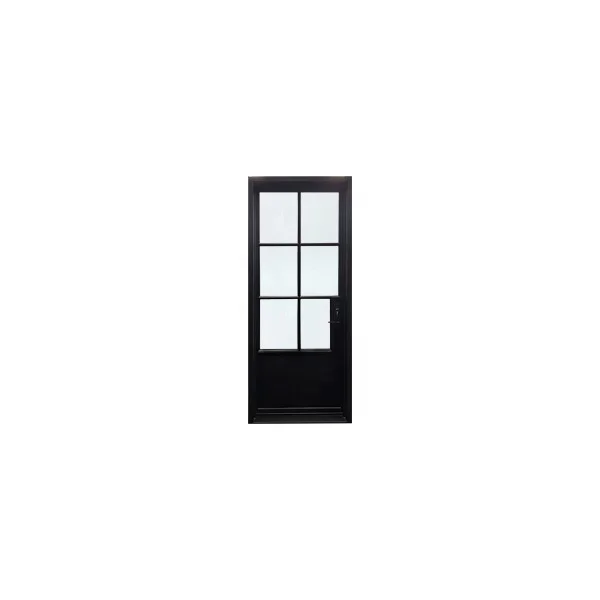
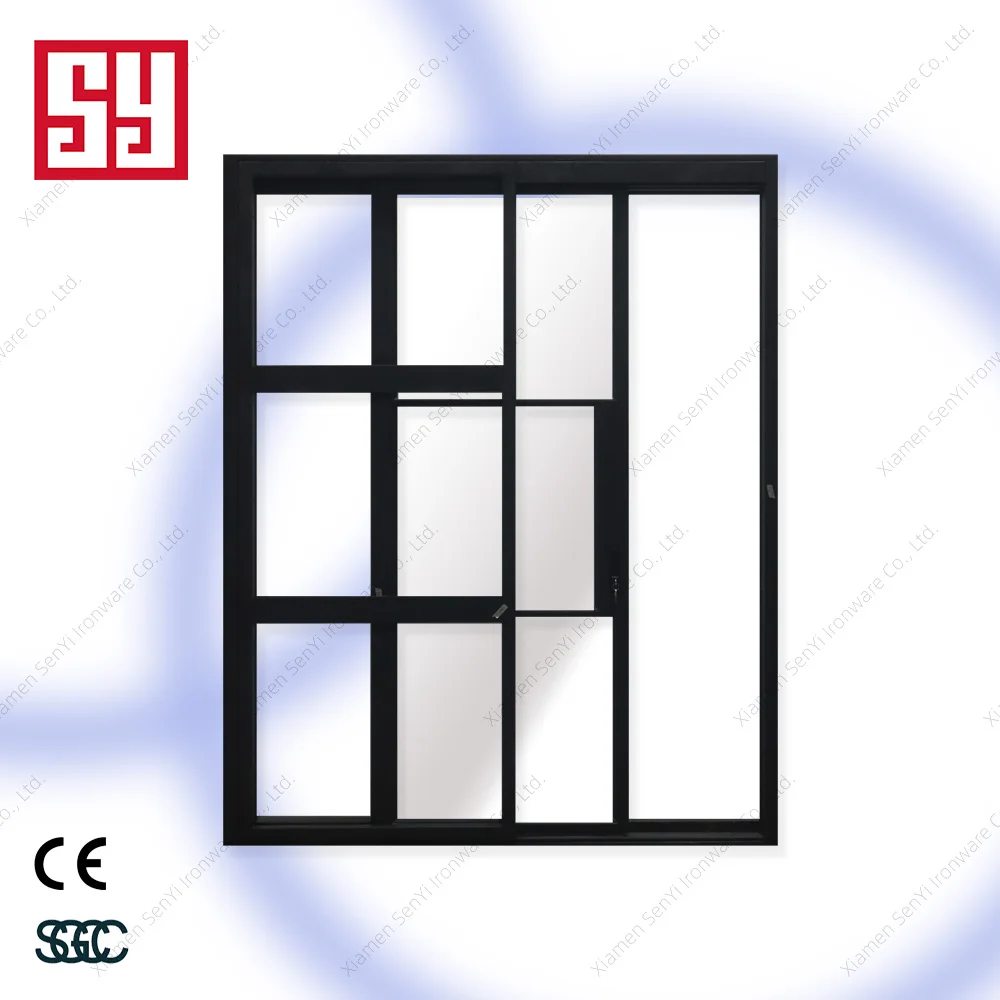
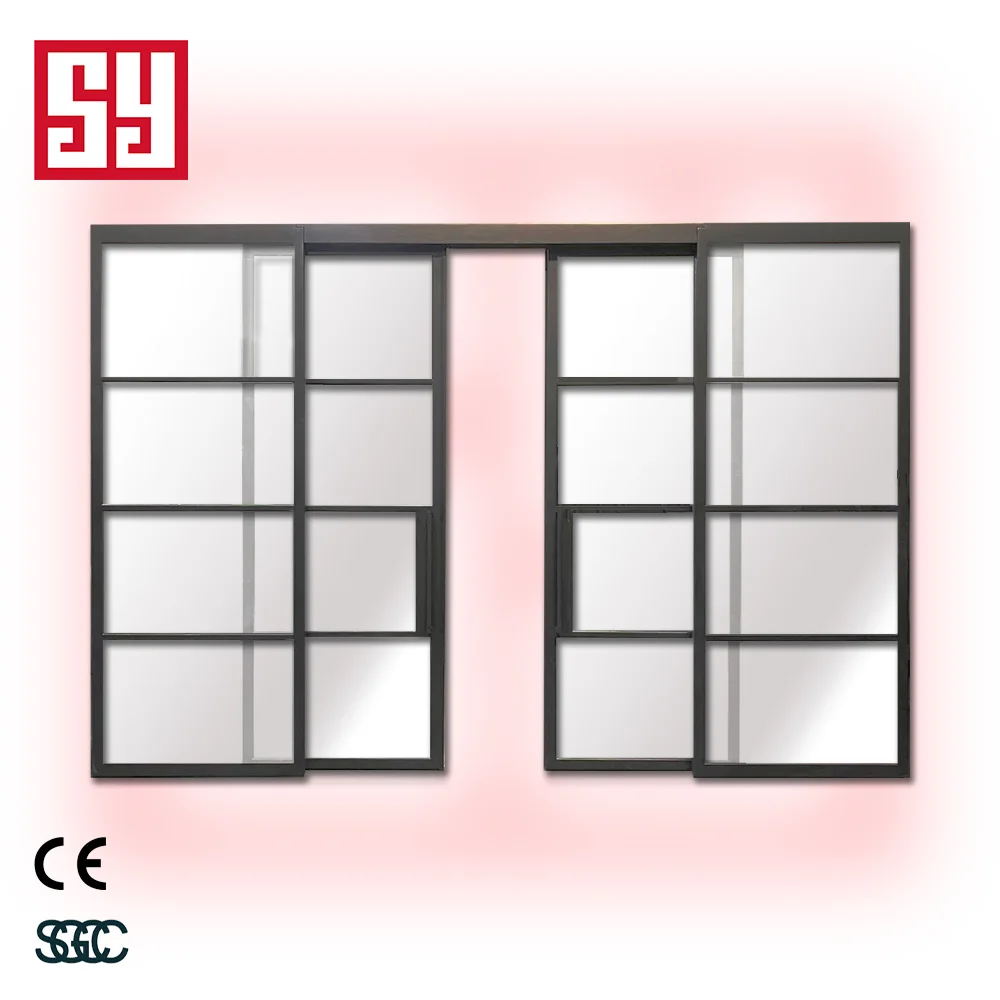
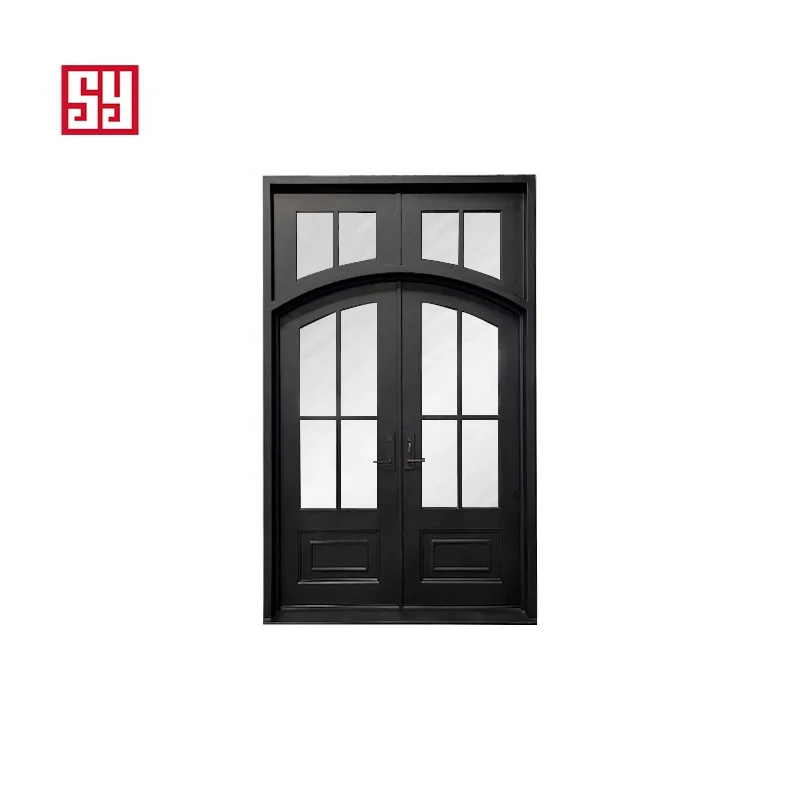
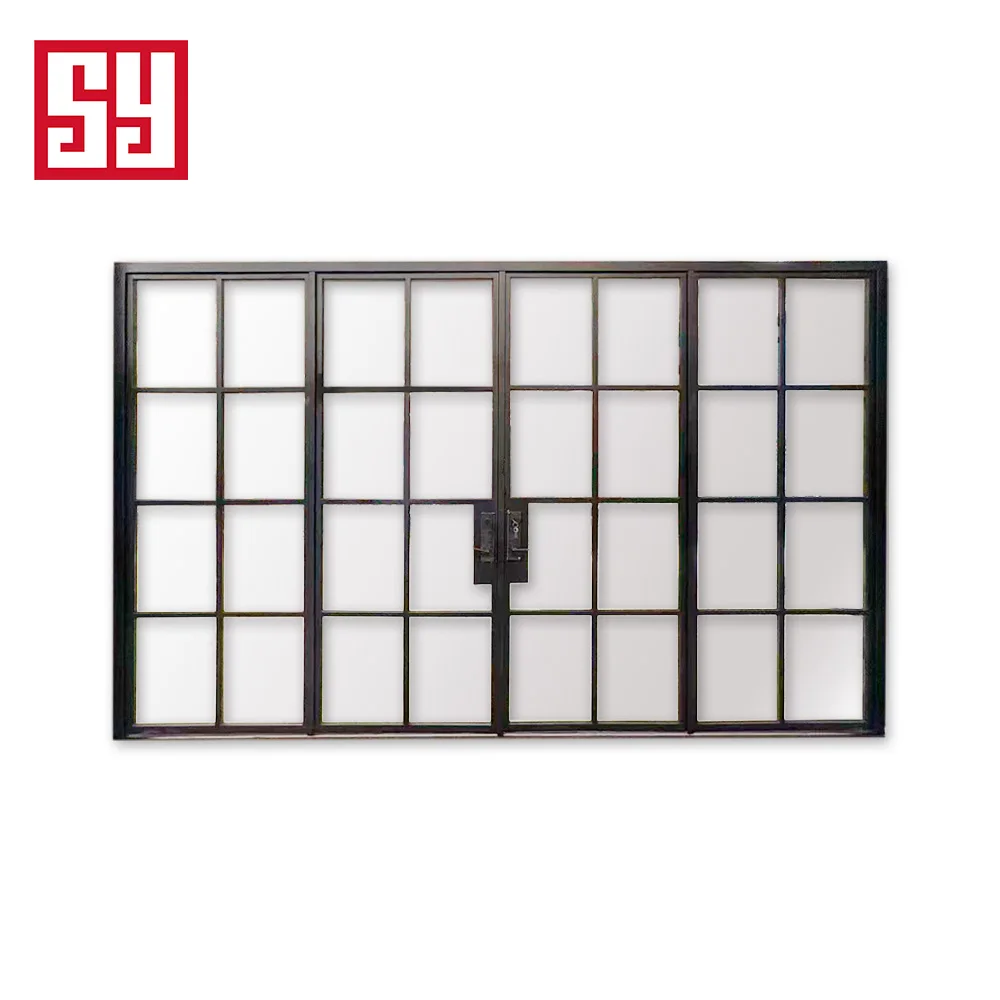
Walk into any recently completed boutique hotel, high-end retail space, or contemporary residential project, and chances are the entrance doesn't swing on traditional hinges. More often than not, what catches the eye first is a tall, slender steel panel that rotates smoothly around a nearly invisible vertical axis. That is the steel pivot door in action—and its growing presence across commercial and residential architecture isn't accidental.
The pivot mechanism itself is simple: rather than side-mounted hinges, the door rotates on pins positioned at the top and bottom of the frame. This seemingly minor engineering difference unlocks a completely different visual language. Traditional hinged doors, by their nature, require clearance for the swing arc and reveal a visible knuckle—typically around 4.5 inches. Pivot doors, by contrast, operate with a much smaller profile, often reducing that visual interruption to roughly 1.5 inches. That reduction might sound trivial on paper, but in practice, it transforms how an entrance reads architecturally.
What makes steel the preferred material for this application comes down to a simple equation: strength-to-thickness ratio. Steel supports large, heavy panels without demanding bulky framing. That means cleaner sightlines, more glass, and less visual clutter. The result is a door that doesn't just open and close—it frames a view, defines a threshold, and makes a deliberate architectural statement.
A 3.3-meter-high steel pivot door, for instance, can be engineered to withstand wind loads and heavy daily footfall while maintaining a minimalist aesthetic. The hardware stays concealed, the sightlines stay clean, and the entrance becomes a feature rather than an afterthought. This is not something that can be achieved with standard hinged doors or with materials that lack steel's structural efficiency.
There is also a functional dimension worth noting. Pivot doors distribute weight more evenly across the top and bottom pivot points, which means a large, heavy panel can be operated with surprisingly little effort. That smooth, balanced motion contributes to the sense of quality and precision that defines high-end architectural projects. It is not just about how the door looks—it is about how it feels to use.
The shift toward pivot door systems is not just a design fad—there is real market momentum behind it. The global pivot entry door market was valued at approximately $1.8 billion in 2024, with projections suggesting growth to around $3.4 billion by 2033. That represents a compound annual growth rate in the neighborhood of 7 percent.
What is driving that growth? A few factors stand out. First, the demand for larger, more open interior spaces continues to push architects toward door systems that can handle oversized panels without compromising aesthetics. Second, the indoor-outdoor living trend—particularly visible in residential and hospitality projects—has created sustained interest in wide, unobstructed openings that pivot doors deliver naturally. Third, and perhaps most tellingly, steel doors are increasingly specified not just for front entrances but throughout buildings: wine rooms, interior partitions, home offices, and retail storefronts.
| Feature | Steel Pivot Door | Traditional Hinged Door |
|---|---|---|
| Visible Hardware | Minimal (~1.5 in) | Prominent (~4.5 in) |
| Weight Distribution | Top and bottom pivots | Side hinges |
| Maximum Height | 3.3m+ | Limited by hinge capacity |
| Design Aesthetic | Clean, minimalist | Traditional, visible joints |
| Operational Effort | Smooth, balanced | Varies by weight |
None of this happens by accident. The performance of a steel pivot door depends heavily on the quality of its hardware components. The pivot pins, bearings, and floor-mounted or ceiling-mounted plates must be engineered to handle the loads that a large steel door imposes.
The pivot mechanism itself must be precisely aligned to ensure smooth operation over the life of the door. Misalignment, even by a small margin, can cause binding, uneven wear, and premature failure of components. This is why specifying a steel pivot door is not just about choosing a door—it is about choosing a system where the door, frame, and hardware are designed to work together.
Quality pivot hardware typically includes:
Precision-ground pivot pins with hardened steel construction
Self-lubricating bearings that reduce maintenance requirements
Adjustable pivot points that allow for fine-tuning of door alignment
Floor plates and ceiling plates that distribute the door's weight to the building structure
The visual impact of a steel pivot door goes beyond the absence of visible hinges. The material itself—steel—offers a design vocabulary that is both timeless and contemporary. The dark, slender profiles that have become synonymous with modern entrances are not just a stylistic choice; they are a direct result of steel's structural capabilities.
Steel pivot doors can be fabricated with a wide range of finishes, from powder-coated colors that match any design palette to natural steel finishes that celebrate the material's industrial heritage. The glass options are equally varied—from clear low-E glass for maximum light transmission to frosted or tinted glass for privacy and solar control.
For architects, the steel pivot door represents the intersection of form and function. It delivers the visual lightness that contemporary design demands while providing the structural performance that building codes require. It is a solution that does not ask for compromise.
Steel pivot doors are not the right choice for every application. Their advantages are most pronounced in entrances where visual impact, width, and height are priorities. They are particularly well-suited to:
Boutique hotels and hospitality projects where the entrance sets the guest experience
High-end residential projects where the front door is a design statement
Retail storefronts where visibility and brand image matter
Corporate lobbies where first impressions count
They are less ideal for applications where the door needs to be opened and closed multiple times per minute, or where the surrounding structure cannot support the concentrated loads that pivot doors impose on the floor and ceiling.
The installation of a steel pivot door requires careful planning. The floor and ceiling must be capable of supporting the door's weight through the pivot points. The alignment must be precise. The hardware must be properly specified. These are not obstacles—they are simply requirements that come with choosing a high-performance architectural element.
Companies like SenYi have developed the engineering expertise and manufacturing capabilities to produce steel pivot doors that meet the demands of modern architectural projects, serving clients who expect quality, precision, and reliability in their entrance solutions.
 Hot News
2026-10-19
2026-10-12
2026-10-07
2026-09-25
2026-09-17
2026-09-11

Xiamen SenYi is a professional enterprise specializing in the research, design, production and sales of high-quality iron doors. It is dedicated to providing customized iron door that combine safety, practicality and aesthetic value for various customers.
No. 1043, Yincheng Mingzhu, Tong'an District, Xiamen City, Fujian Province, China
Copyright © 2025 by Xiamen SenYi Ironware Co., Ltd Privacy Policy
 EN