Wrought iron doors occupy a unique position in the door market. They are not just functional building components; they are design statements, security features, and often the first thing people notice about a building. The material itself—wrought iron—carries connotations of craftsmanship, durability, and timeless style that few other materials can match.
What distinguishes wrought iron from other materials is its workability. Unlike cast iron, which is poured into molds, wrought iron is heated and worked by hand or machine into shape. This process allows for intricate patterns, custom designs, and a level of detail that is simply not possible with wood, fiberglass, or standard steel door construction. The ornamental possibilities are vast—from simple geometric patterns to elaborate scrollwork that mimics natural forms.
The most straightforward advantage of wrought iron doors is brute strength. Iron is one of the most impact-resistant materials used for doors. It resists kicking, prying, and forced entry attempts far better than wood, fiberglass, or even standard steel doors.
This strength translates into real security benefits. For residential applications, a wrought iron front door sends a clear message: this home is protected. For commercial properties, wrought iron doors provide a visible deterrent to would-be intruders while maintaining an inviting appearance.
The security advantage is not just about thickness or weight—though those certainly help. It is also about the way wrought iron doors are constructed. The interlocking components, the multiple locking points that can be integrated into the design, and the inherent rigidity of the material all contribute to a door that is genuinely difficult to breach.
Wrought iron is nearly invulnerable to fire and flooding alike. Unlike wood, it does not rot, warp, or succumb to insect damage. Unlike fiberglass, it does not crack or fade over time. Unlike aluminum, it does not dent easily or lose its structural integrity under load.
The durability of wrought iron doors is particularly valuable in coastal or harsh climates where salt air, moisture, and temperature extremes take a toll on lesser materials. A properly maintained wrought iron door can last for decades—often outliving the building it is installed in.
The maintenance requirements are modest. Modern powder-coating finishes provide a durable, weather-resistant surface that requires little more than occasional cleaning. Unlike wood doors that need regular repainting or staining, a powder-coated wrought iron door maintains its appearance with minimal effort. The occasional touch-up of any scratches or chips is typically all that is needed to keep the door looking new.
One of the key advantages of wrought iron over traditional wood or fiberglass is that this type of iron can be shaped into pretty much any form. This design flexibility is what makes wrought iron doors so appealing to architects and homeowners alike.
The range of possible designs is extraordinary:
Simple, clean-lined contemporary patterns
Elaborate scrollwork and floral motifs
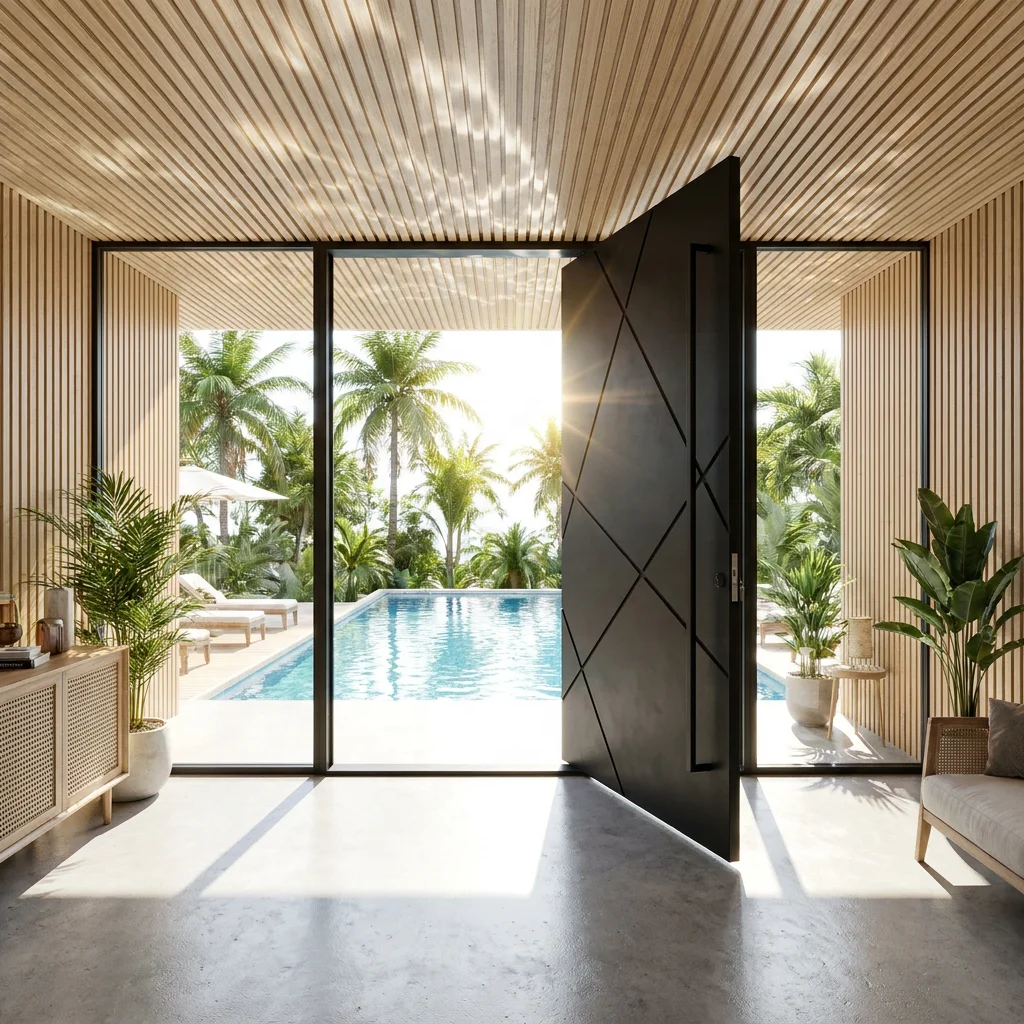
Geometric patterns that play with light and shadow
Custom designs that incorporate logos, monograms, or personal symbols
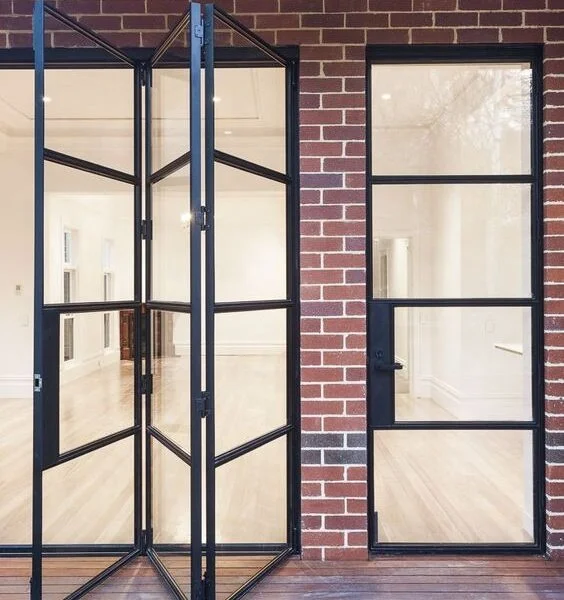
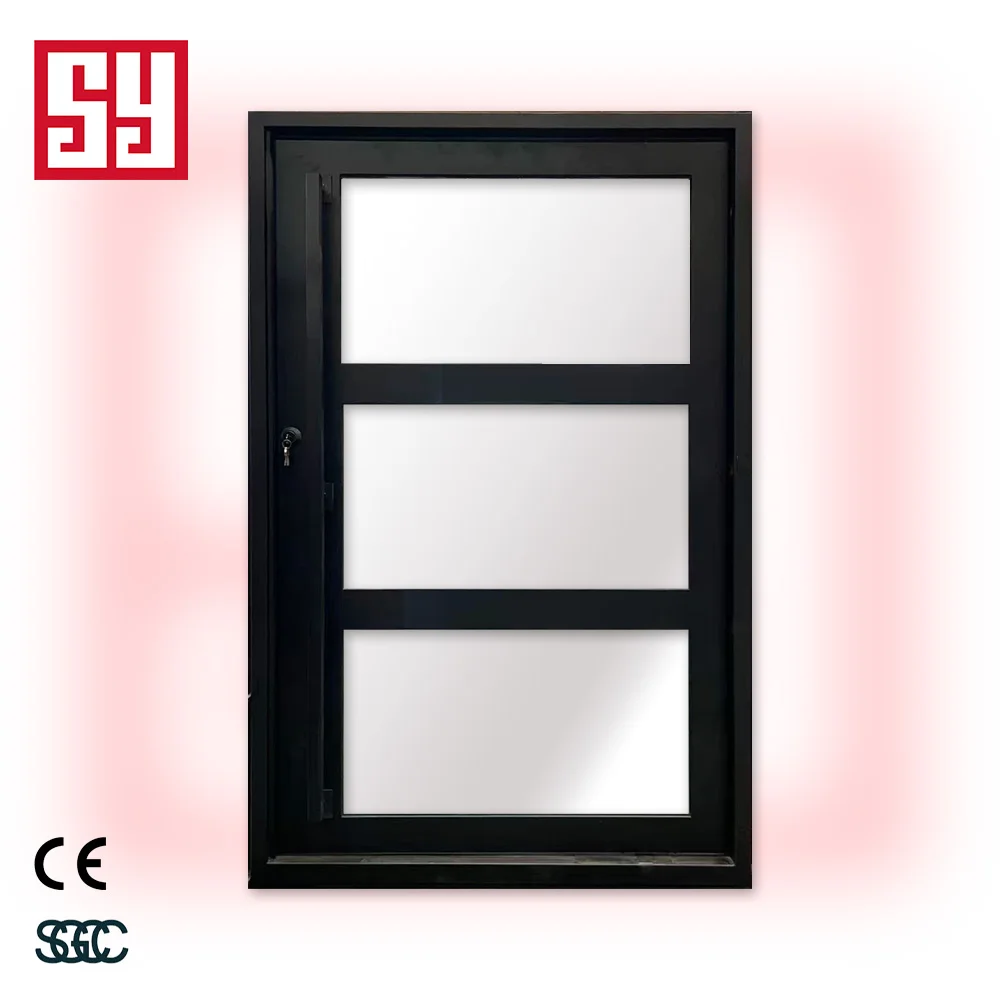
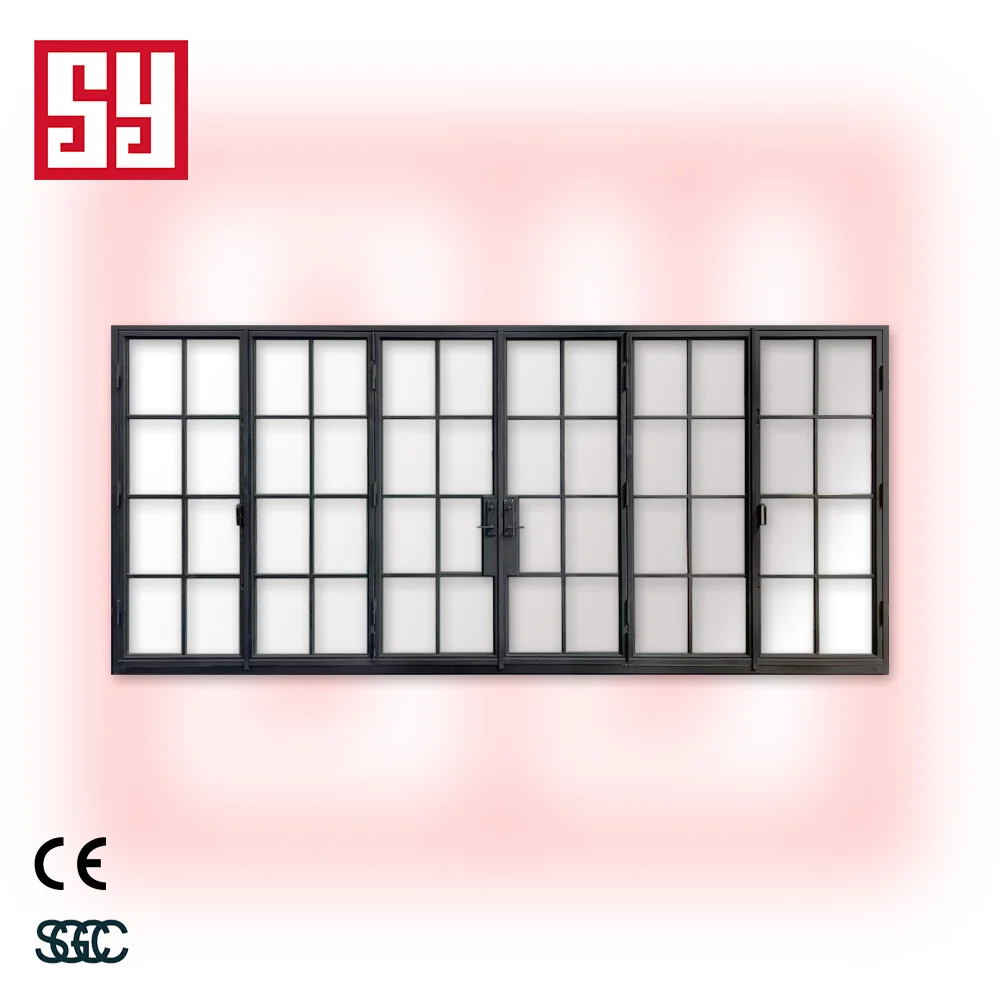
Combinations of wrought iron with glass panels for increased light transmission
Integration of decorative elements that echo architectural details elsewhere on the building
| Feature | Wrought Iron Doors | Wood Doors | Fiberglass Doors | Steel Doors |
|---|---|---|---|---|
| Design Flexibility | Highest | High | Moderate | Moderate |
| Impact Resistance | Excellent | Poor | Moderate | Excellent |
| Fire Resistance | Excellent | Poor | Moderate | Excellent |
| Rot/Warp Resistance | Excellent | Poor | Excellent | Excellent |
| Maintenance | Low | High | Low | Low |
| Lifespan | 50+ years | 15–25 years | 25–30 years | 30+ years |
Wrought iron doors have historically been associated with poor thermal performance—the material is, after all, a good conductor of heat. However, modern wrought iron doors have addressed this challenge through design innovations.
Insulated cores, thermal breaks, and low-E glass are now standard options on quality wrought iron doors. An insulated core within the door panel provides a barrier to heat transfer. Thermal breaks in the frame prevent the conduction of heat through the metal. Low-E glass reflects heat while allowing visible light to pass through.
The result is a door that performs competitively with wood or fiberglass in terms of thermal insulation, while maintaining the structural and aesthetic advantages that make wrought iron unique. For homeowners concerned about energy costs, this means that a wrought iron door no longer requires a trade-off between style and efficiency.
Wrought iron doors are not the right choice for every application. They are most effective in scenarios where:
Visual impact and curb appeal are priorities
Security is a significant concern
Long-term durability matters more than upfront cost
Custom design and craftsmanship are valued
They are particularly well-suited to:
Residential front entrances where the door sets the tone for the home
Commercial properties where brand image and security intersect
Historic renovations where period-appropriate materials are required
Luxury residential projects where custom design is expected
They are less ideal for applications where cost is the primary constraint, where the door will be subjected to frequent, high-speed operation, or where the surrounding architecture does not support the visual weight of a wrought iron door.
The investment in a wrought iron door is an investment in durability, security, and design. Companies like SenYi have developed the expertise to manufacture wrought iron doors that meet the expectations of discerning clients, combining traditional craftsmanship with modern manufacturing capabilities to deliver products that perform as well as they look.
 Hot News
2026-10-19
2026-10-12
2026-10-07
2026-09-25
2026-09-17
2026-09-11

Xiamen SenYi is a professional enterprise specializing in the research, design, production and sales of high-quality iron doors. It is dedicated to providing customized iron door that combine safety, practicality and aesthetic value for various customers.
No. 1043, Yincheng Mingzhu, Tong'an District, Xiamen City, Fujian Province, China
Copyright © 2025 by Xiamen SenYi Ironware Co., Ltd Privacy Policy
 EN