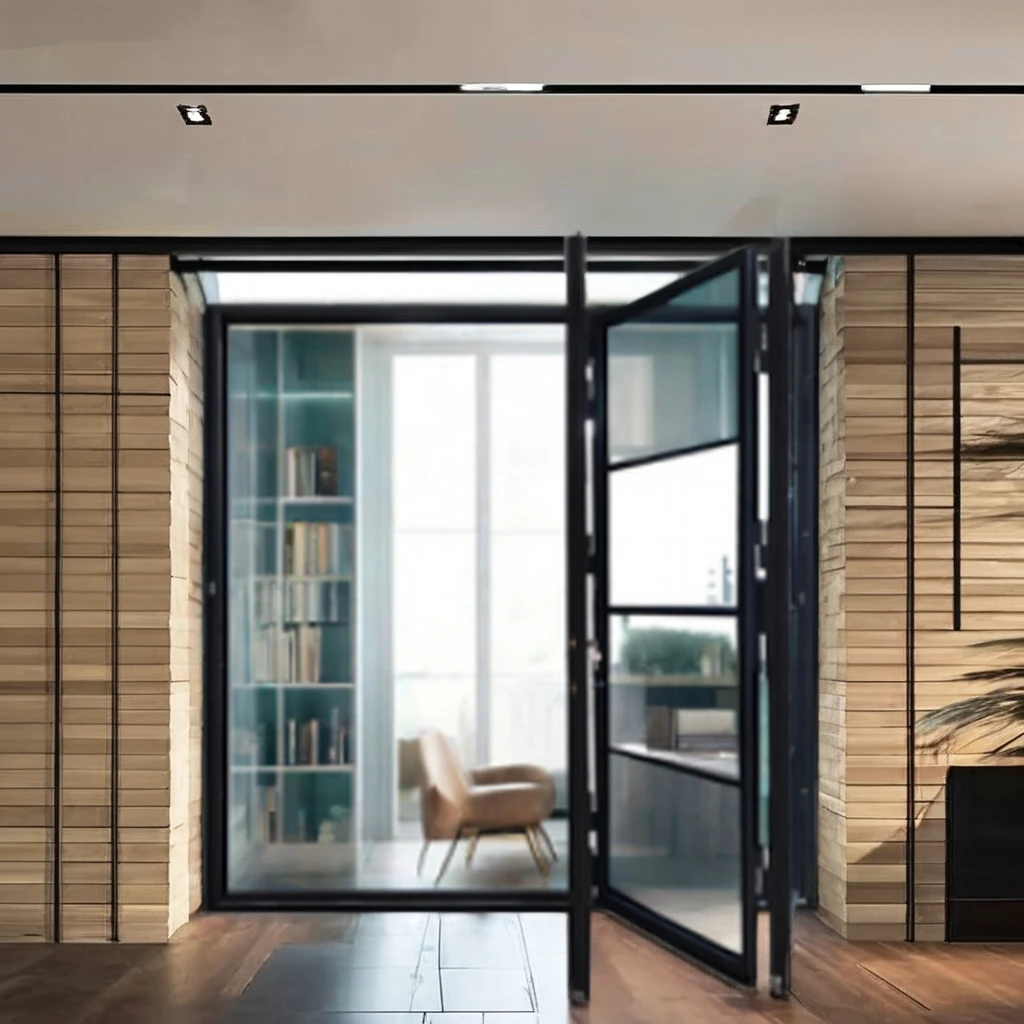
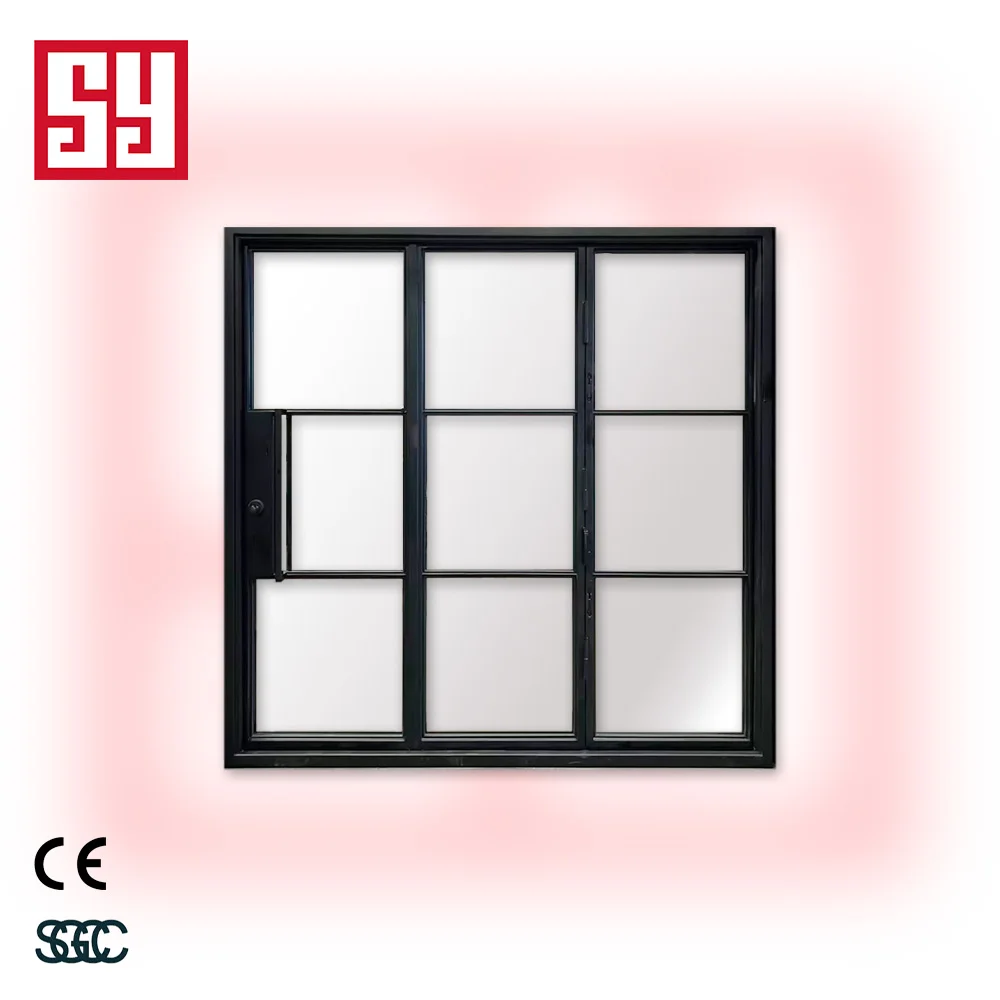
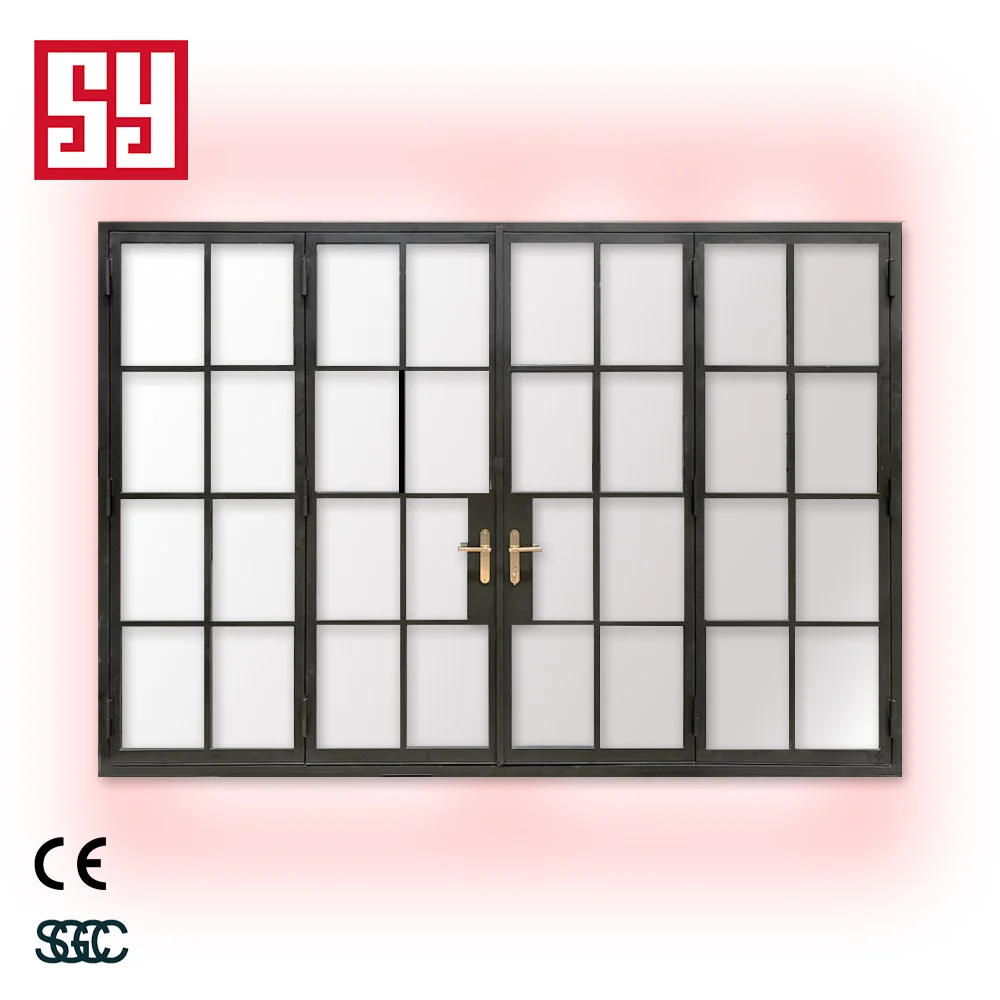
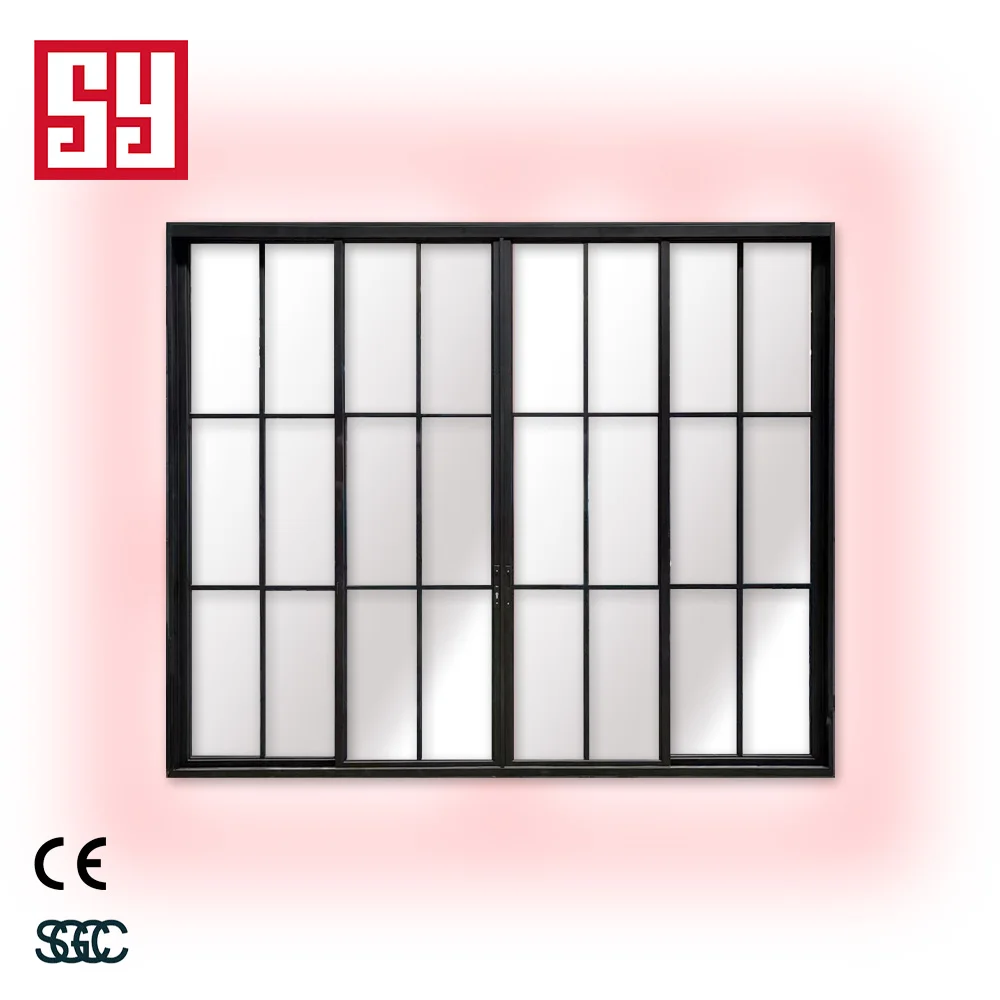
Anyone who has spent time in a factory or warehouse knows that standard commercial doors just do not cut it. The environment is tough. Forklifts bump into frames. Dust and grime settle into every crack. Temperatures swing wildly depending on the season and what is running inside. Chemicals and moisture eat away at finishes that would last for years in an office building. A door that works perfectly in a retail space often falls apart within months on a factory floor. That is why more and more industrial facility managers are turning to steel doors. The material itself is built to handle the daily abuse, and the engineering behind industrial steel doors reflects a deep understanding of what these environments actually throw at them.
The biggest advantage of steel in an industrial setting is simply how tough it is. Steel offers a strength to thickness ratio that allows for narrower frames and larger panels without sacrificing structural integrity. A steel door can cover openings of twenty feet or more while staying rock solid across the full height. That strength matters because industrial equipment does not always operate with surgical precision. Forklifts, pallet jacks, and rolling carts clip door frames all the time. Accidental impacts that would dent or bend an aluminum frame often leave steel with nothing more than a minor scuff. That translates directly to fewer repairs and less downtime. The durability gap is not small. In industrial environments, steel door frames typically outlast aluminum equivalents by a factor of two to three, with average service lives exceeding twenty years under normal conditions. That is not a sales pitch. It is what facility managers see in their maintenance logs year after year.
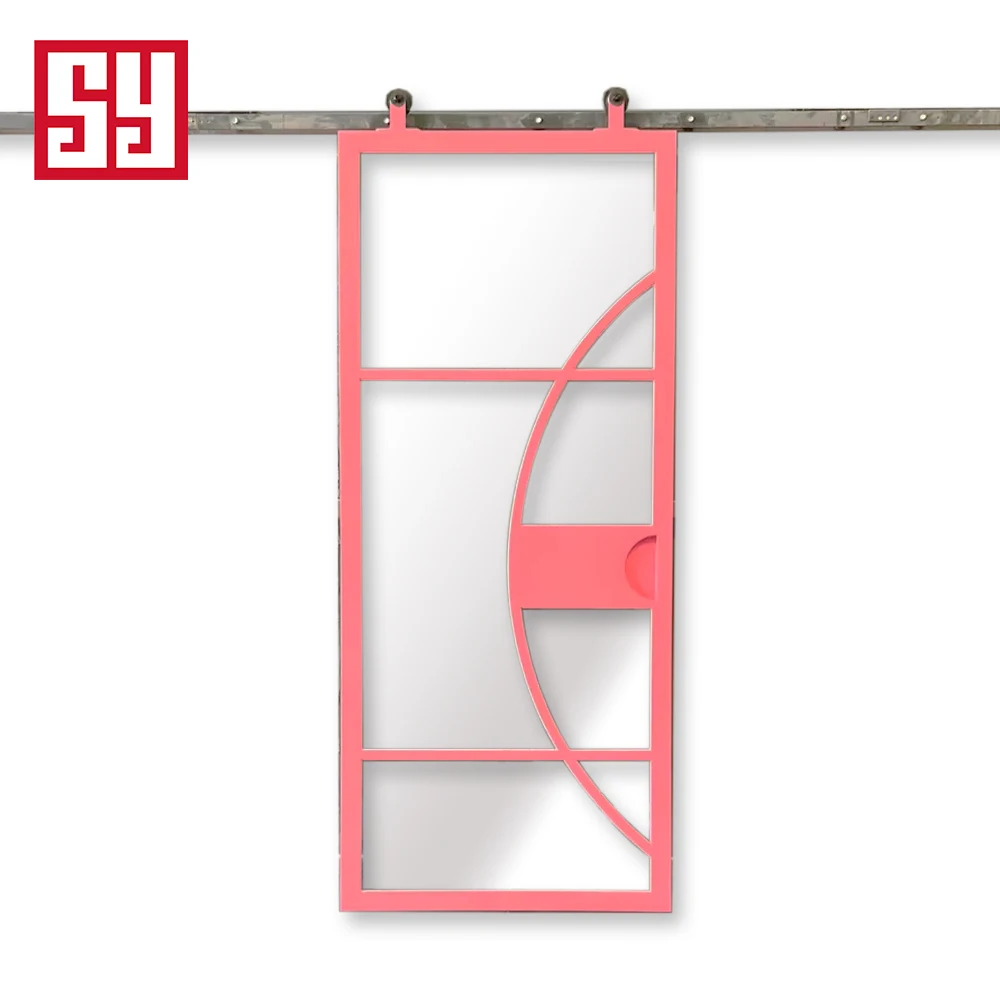
Industrial facilities are measured by throughput per square foot. Every obstacle in the workflow reduces that number. Swing doors create obstacles. They need clear floor space to operate. They slow down traffic because someone has to open and close them manually. They limit the size of items that can pass through. Steel doors, especially sliding and bifold configurations, remove those headaches. Sliding steel doors move parallel to the wall, taking up no more space than the thickness of the panel stack when open. Bifold steel doors fold flat against the wall, requiring zero floor clearance at all. For facilities that move large equipment, pallets, or oversized materials, being able to open the full width of a doorway is not a convenience. It is a necessity. The space saving advantage of steel doors is particularly valuable in industrial settings where floor space carries a high cost. Every square foot not used for production, storage, or movement is a square foot that is not generating value.
Industrial spaces are famously noisy and hard to heat or cool. Steel doors, when properly insulated with thermal breaks and weather stripping, achieve thermal performance that rivals fixed wall sections. The multi panel design of bifold systems allows for continuous sealing along each folding joint, cutting down on air infiltration. Acoustic separation is another area where steel doors shine. The mass of steel panels, combined with sealed joints, reduces sound transmission much more effectively than lighter materials. A manufacturing facility producing heavy machinery found that switching from fabric curtains to insulated steel doors cut noise bleed by twelve decibels. That took the office space from uncomfortably loud to perfectly acceptable without needing extra acoustic treatments. For facilities that need to maintain consistent temperatures or protect workers from excessive noise, the thermal and acoustic performance of steel doors delivers real benefits that show up on utility bills and employee satisfaction surveys alike.
Industrial facilities house valuable equipment, expensive inventory, and sometimes hazardous materials. Security is not optional. Steel doors provide a level of physical protection that other materials simply cannot match. They resist kicking, prying, and other forced entry techniques. The multi point locking systems that come standard on quality steel doors distribute force across multiple points, eliminating weak spots. Fire protection is another critical factor. Fire rated steel doors can contain a blaze for an extended period, giving people time to evacuate and firefighters time to respond. In industrial settings where flammable materials are often present, this fire resistance can mean the difference between a contained incident and a catastrophic loss. The combination of security and fire protection makes steel doors an essential component of any serious industrial safety strategy.
For businesses looking for durable, reliable steel door solutions built for the demands of industrial environments, SenYi has been delivering quality craftsmanship for over a decade. Their experience with international clients, particularly from the US and Australia, speaks to their ability to meet demanding specifications and deliver doors that stand up to the toughest conditions day after day.
 Hot News
2026-10-19
2026-10-12
2026-10-07
2026-09-25
2026-09-17
2026-09-11

Xiamen SenYi is a professional enterprise specializing in the research, design, production and sales of high-quality iron doors. It is dedicated to providing customized iron door that combine safety, practicality and aesthetic value for various customers.
No. 1043, Yincheng Mingzhu, Tong'an District, Xiamen City, Fujian Province, China
Copyright © 2025 by Xiamen SenYi Ironware Co., Ltd Privacy Policy
 EN
EN