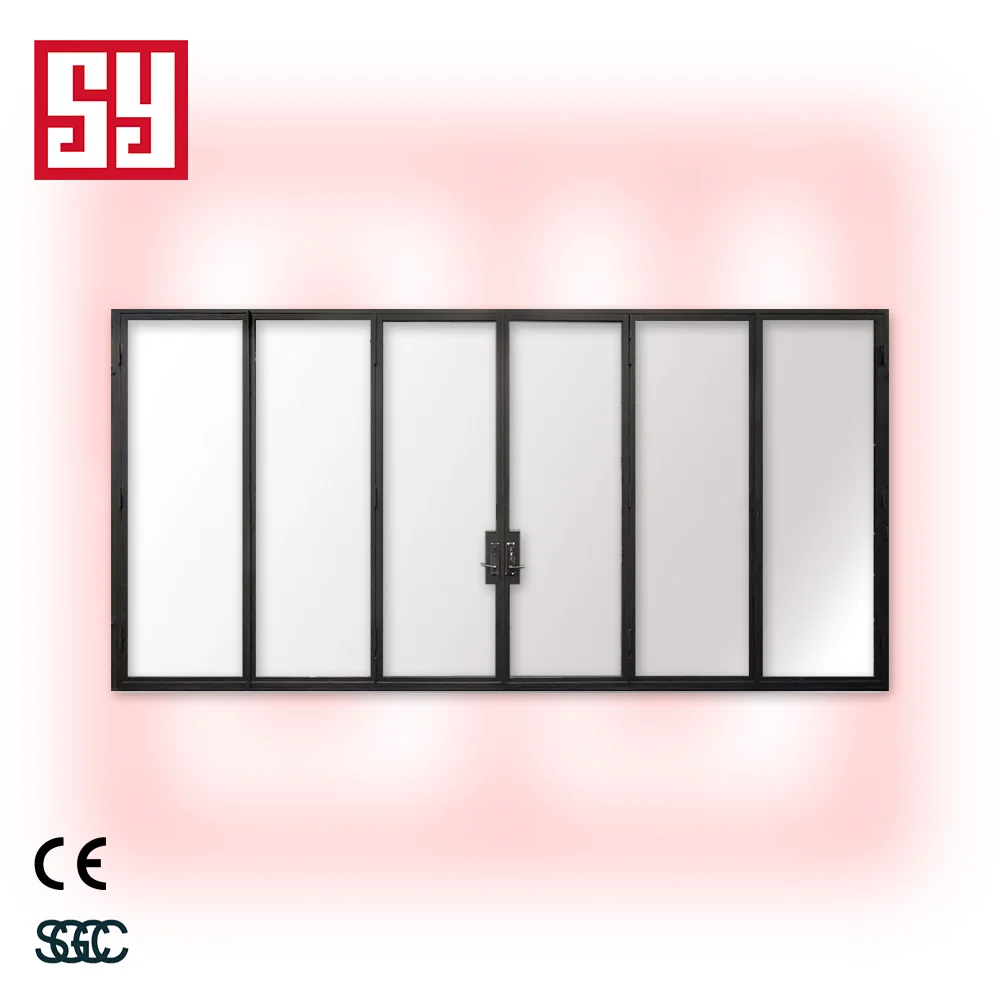
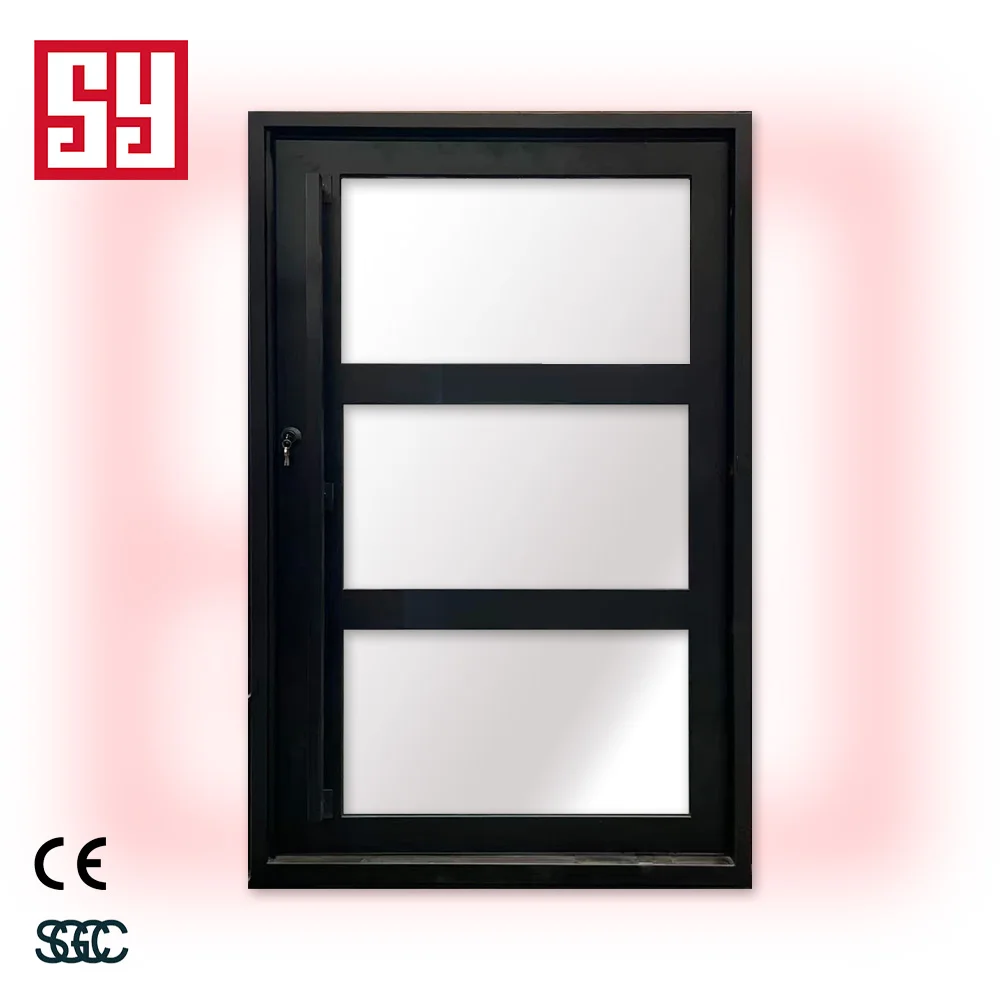
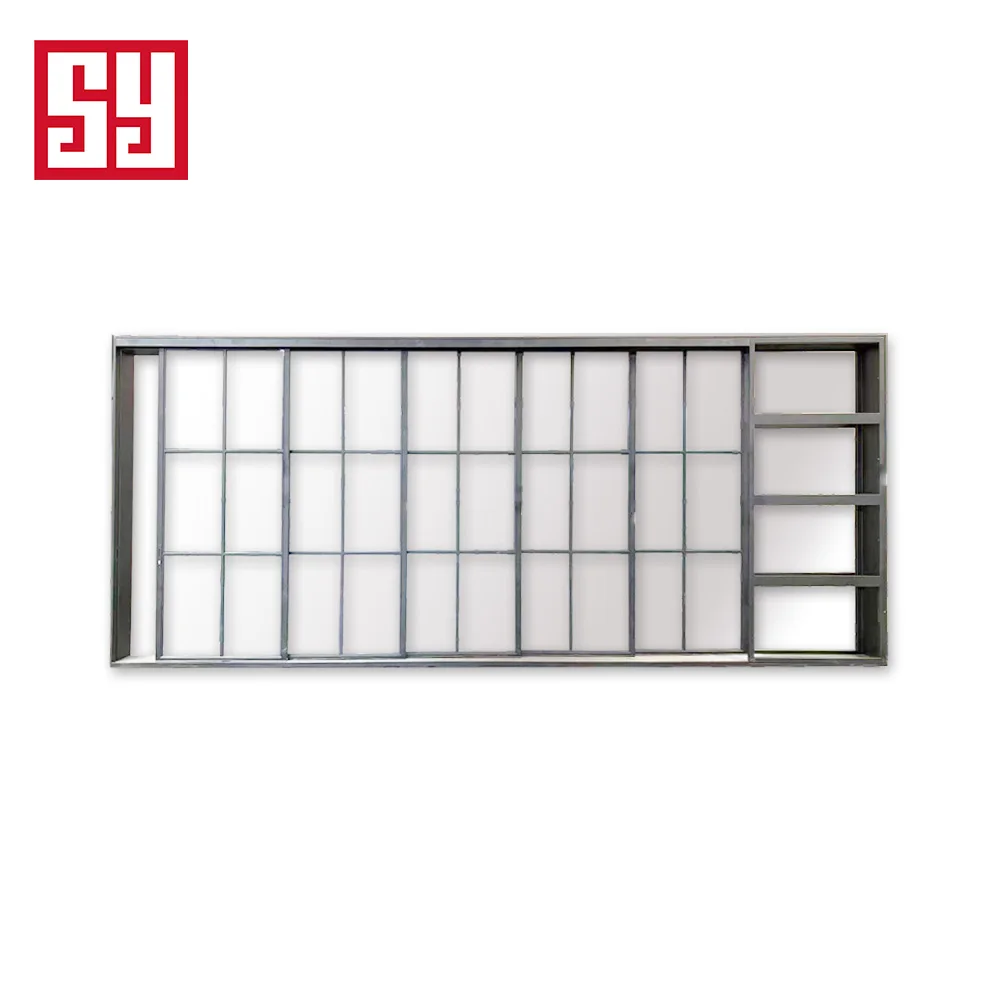
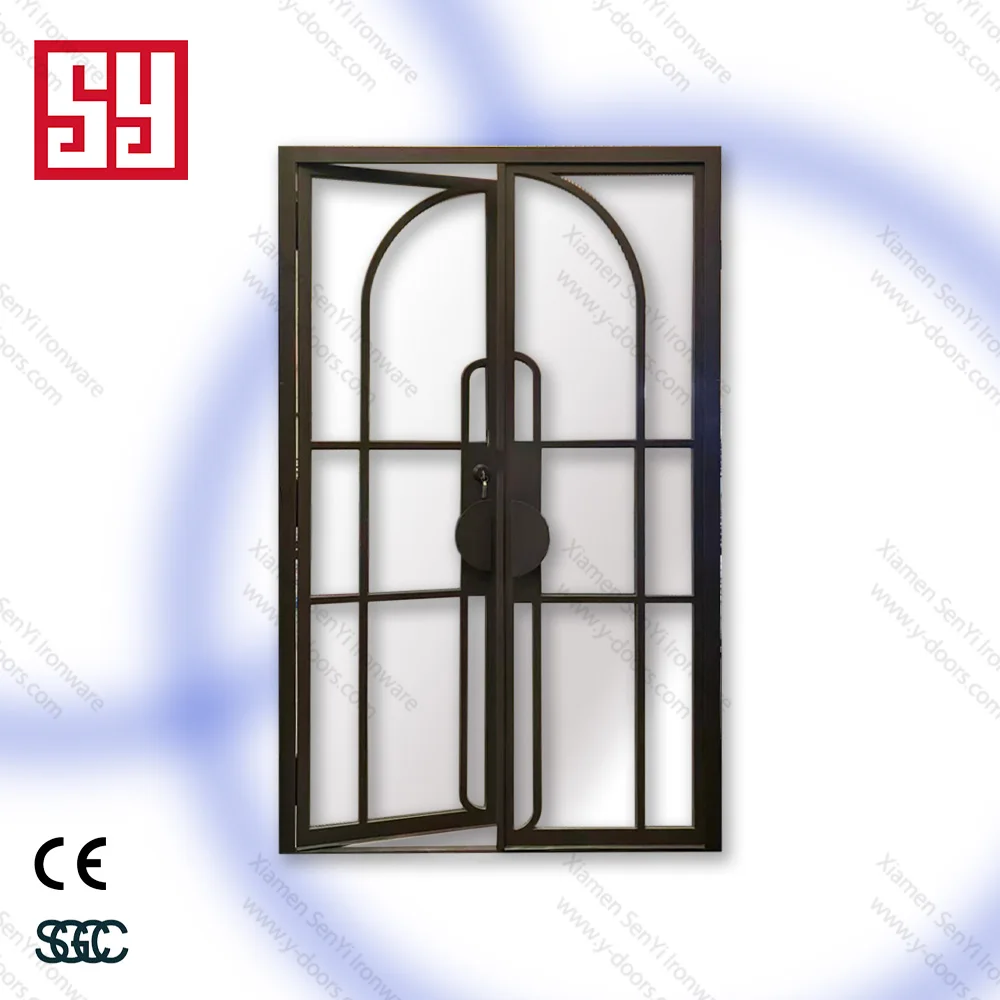
Walk through any modern commercial space or industrial facility, and the shift from traditional swing doors to folding systems is hard to miss. Steel bifold doors have gained traction not because they look sleek—though that helps—but because they solve real operational problems that other door types simply cannot address. The benefits run deeper than most spec sheets reveal, touching everything from workflow efficiency to long-term maintenance costs.
The space equation that swing doors lose
Every square foot of floor space carries a cost. In warehouses, that cost is measured in storage capacity. In retail, it is measured in customer experience. In workshops, it is measured in equipment layout flexibility. A standard swing door needs a clear radius equal to its width—often 3 to 4 feet of floor space that cannot be used for anything else. Steel bifold doors fold flat against the wall or stack neatly to one side, reclaiming that footprint entirely.
A distribution center in the Pacific Northwest replaced a series of 8-foot swing doors with steel bifold units across its loading bay area. The change freed up roughly 40 square feet per doorway—space that was converted into additional racking for high-turnover inventory. The operation recovered the cost of the door replacement within 18 months purely through improved storage density.
Structural strength that aluminum cannot match
Aluminum bifold doors have their place, but they are not built for the same conditions. Steel offers a strength-to-thickness ratio that allows for narrower frames and larger individual panels without sacrificing structural integrity. A steel bifold door can span openings up to 20 feet or more while maintaining stability across the full height.
The difference becomes apparent in high-traffic environments. Forklifts, pallet jacks, and rolling equipment do not always operate with precision. Accidental impacts that would dent or bend an aluminum frame often leave steel with nothing more than a scuff. This translates directly to lower repair frequency and fewer operational interruptions. According to industry data, steel door frames typically outlast aluminum equivalents by a factor of two to three in industrial settings, with average service lives exceeding 20 years under normal conditions.
Thermal and acoustic performance that holds up
Steel bifold doors, when properly insulated with thermal breaks and weather stripping, achieve thermal performance comparable to fixed wall sections. The key lies in the multi-panel design, which allows for continuous sealing along each folding joint. Modern steel bifold systems incorporate double-glazed panels or foam-injected cores that deliver U-values competitive with dedicated insulated doors.
Acoustic separation is another area where steel bifolds excel. The mass of steel panels—combined with sealed joints—attenuates sound transmission more effectively than lighter materials. A manufacturing facility producing heavy machinery found that switching from fabric curtains to insulated steel bifold doors reduced noise bleed by 12 decibels, taking the office space from uncomfortably loud to acceptable without requiring additional acoustic treatments.
Security characteristics that come standard
Steel is inherently difficult to compromise. The material does not shatter, splinter, or deform easily under forced entry attempts. Steel bifold doors integrate multi-point locking systems across the folding panels, distributing the locking force evenly and eliminating weak points that single-point locks create.
Performance Factor |
Steel Bifold |
Aluminum Bifold |
Standard Swing |
Impact resistance |
High |
Moderate |
Low |
Typical max span |
20+ ft |
12–16 ft |
3–4 ft (per leaf) |
Floor space required |
Minimal (folded) |
Minimal (folded) |
Full swing radius |
Average service life (industrial) |
20+ years |
8–12 years |
10–15 years |
Thermal break options |
Available |
Available |
Limited |
Forced entry resistance |
High |
Moderate |
Low |
These characteristics make steel bifold doors a practical choice for applications ranging from equipment enclosures to security barriers in commercial settings. The PAS 24 security standard, commonly applied to door systems in the UK, is frequently met by steel bifold configurations that incorporate reinforced framing and hardened locking hardware.
The maintenance reality
No door is maintenance-free, and steel bifold doors are no exception. The folding mechanism includes hinges, rollers, and tracks that require periodic inspection and lubrication. However, the maintenance burden is predictable and manageable. Galvanized steel construction resists corrosion, and powder-coated finishes protect against scratching and fading.
The practical trade-off is this: steel bifold doors demand slightly more attention to their moving parts than a simple swing door, but they deliver significantly more functionality in return. Facilities that schedule quarterly track cleaning and hinge lubrication typically see trouble-free operation for a decade or more. A Texas automotive parts warehouse running steel bifold units across its shipping dock logged over 150,000 open-close cycles over five years with only two minor roller replacements—both covered under routine maintenance.
Where steel bifolds fall short
Honest assessment requires acknowledging the limitations. Steel bifold doors are heavier than aluminum alternatives, which means the hardware must be specified correctly to handle the load. Installation requires robust overhead support and precise alignment. The initial cost is higher than standard commercial doors, and the complexity of the folding mechanism means repairs, when they do occur, can be more involved than fixing a swing door.
For many operations, however, these trade-offs are acceptable. The space savings, durability, and security benefits outweigh the higher upfront investment and the need for occasional hardware attention. The key is matching the door specification to the actual operating conditions rather than over- or under-specifying.
Manufacturers like SenYi approach steel bifold production with attention to hardware selection and frame construction, recognizing that the benefits of steel bifold doors are fully realized only when the entire system—panels, hinges, tracks, and locking—works together reliably over the long haul.
 Hot News
 EN
EN