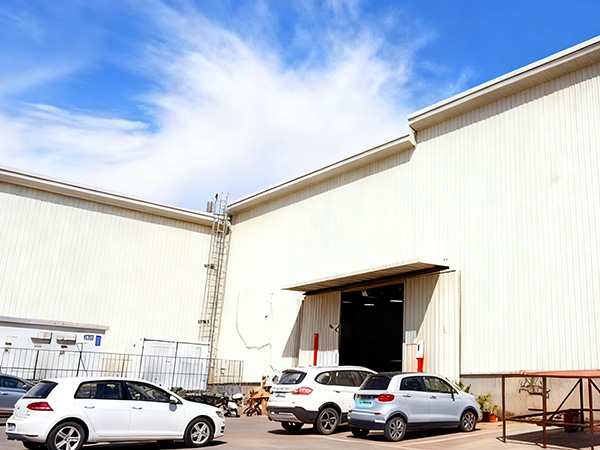
Industrial facilities operate under a different set of rules than commercial or residential buildings. Forklifts need clear paths. Production lines require uninterrupted material flow. Equipment moves in and out on schedules that do not allow for door-related delays. In this environment, a door is not an aesthetic choice—it is a piece of production equipment. Steel sliding doors have earned their place on factory floors and warehouse walls because they meet industrial demands in ways that other door types simply cannot.
A swinging door in an industrial setting is a hazard and a bottleneck. The swing radius consumes floor space that could hold inventory or equipment. It creates a collision risk for passing forklifts. It forces layout decisions around the door rather than around operational efficiency.
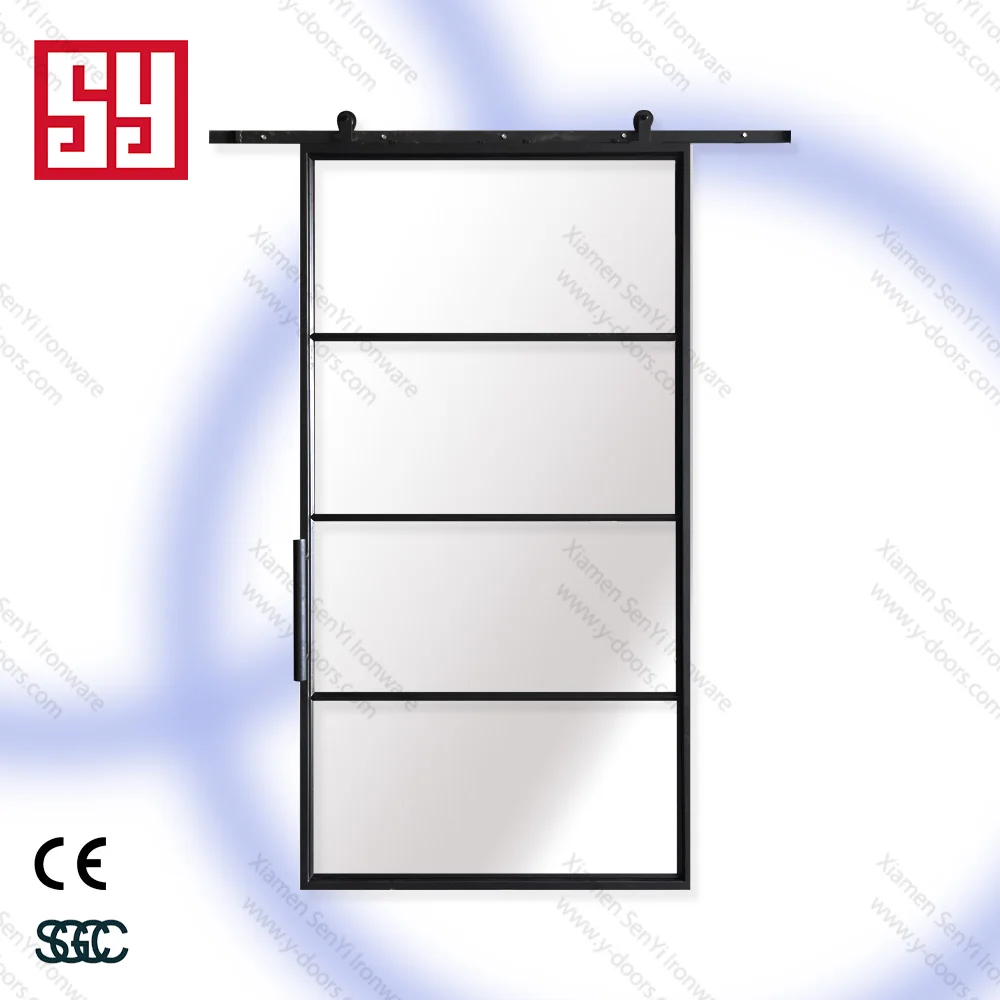
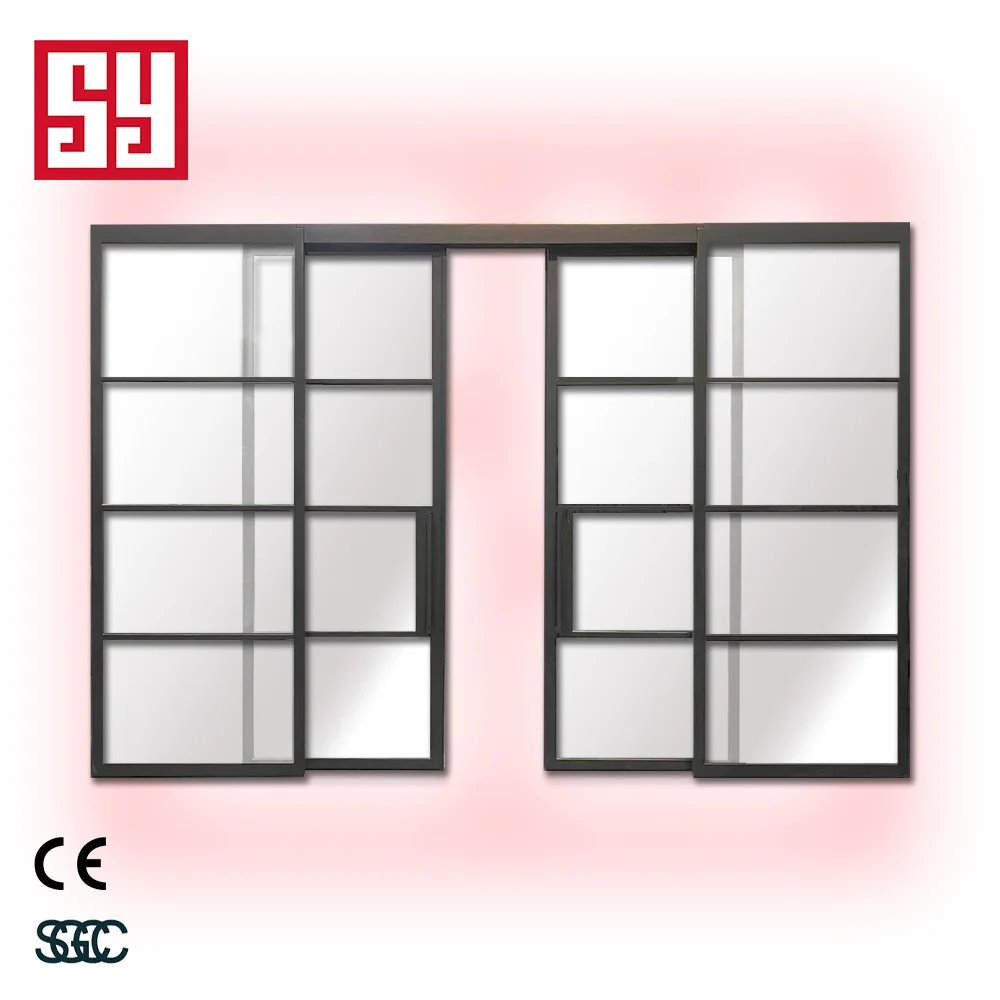
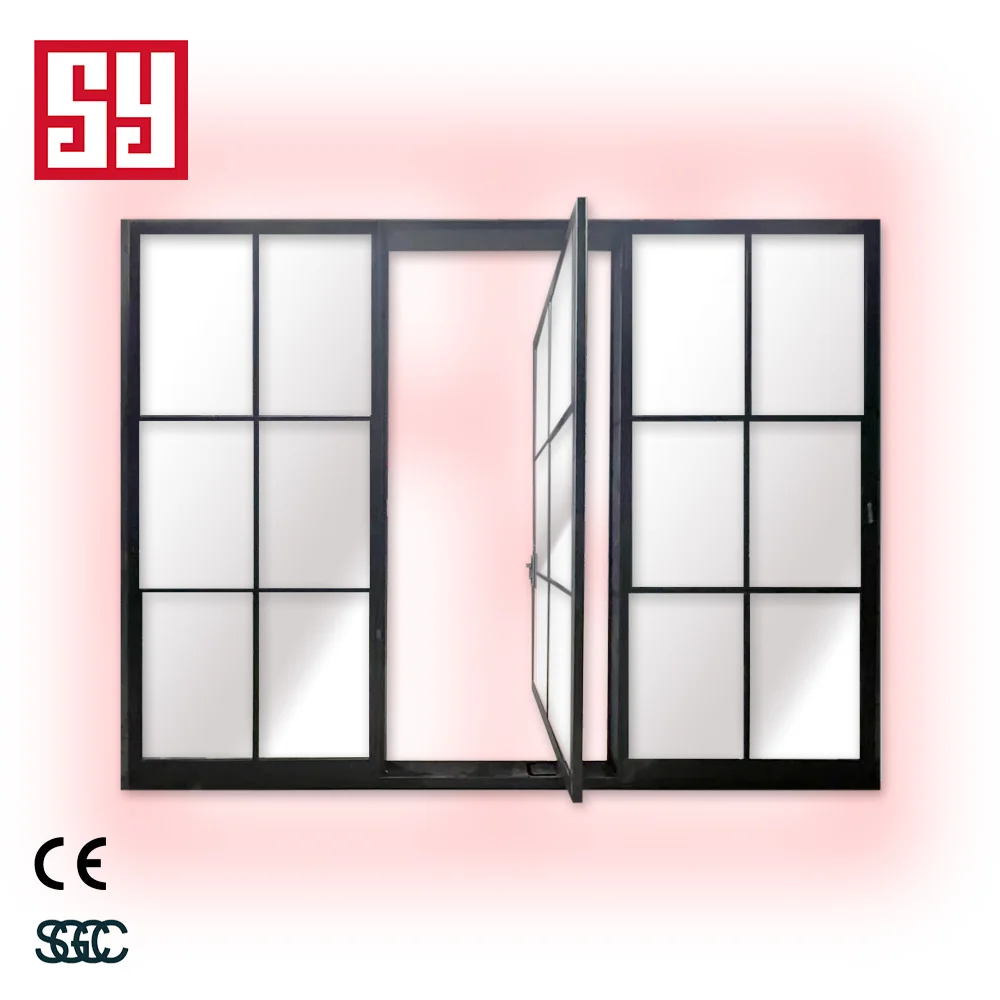
Steel sliding doors eliminate the swing radius entirely. The door moves parallel to the wall, occupying no more than the thickness of the panel stack when open. This seemingly simple difference has profound implications for facility design. A production manager at a Midwest automotive stamping plant described the shift this way: replacing six swing doors with steel sliders opened up enough floor space to add two additional workstations without expanding the building footprint.
Industrial environments are hard on equipment. Dust, temperature extremes, humidity, and physical impacts are part of daily operations. Steel sliding doors are built to handle these conditions. The material withstands impacts that would crack fiberglass or dent aluminum. The sliding mechanism, when properly specified, operates reliably in temperatures ranging from sub-freezing to well over 100°F.
Galvanized steel construction provides corrosion resistance that matters in facilities where moisture, chemicals, or outdoor exposure are factors. A chemical processing plant along the Gulf Coast installed galvanized steel sliding doors across its main processing building after replacing a set of aluminum doors that showed visible corrosion within 18 months. The steel units, inspected after five years of service, showed only superficial surface oxidation—nothing that compromised structural integrity or operation.
Modern industrial operations increasingly rely on automated material handling systems. Steel sliding doors integrate readily with these systems. Sensors, automated openers, and interlock controls can be specified as part of the door package, allowing the door to respond to approaching vehicles or to coordinate with conveyor systems.
The global industrial door market, valued at approximately $2.83 billion in 2024, is projected to grow at a compound annual rate of 4.95% through 2030, driven in part by demand for automated access solutions-. Steel sliding doors represent a significant portion of this market because their robust construction supports the repeated cycling that automated systems demand. A door that fails after 50,000 cycles is a liability in an automated facility; a well-built steel slider can exceed 200,000 cycles with proper maintenance.
Industrial processes often require controlled environments. Dust control, temperature maintenance, and noise reduction are common requirements. Steel sliding doors can achieve effective sealing through the use of perimeter weather stripping, bottom sweeps, and interlocking panel designs.
The sealing performance depends on the door configuration. Top-hung sliding systems, which carry the door weight on an overhead track, allow for continuous bottom sealing without the interference of a floor track. This configuration is particularly valuable in facilities that require washdown capabilities or that handle materials sensitive to contamination. A food processing facility in the Midwest chose top-hung steel sliding doors for its packaging area specifically because the design allowed for complete floor-level sealing, simplifying sanitation procedures.
Initial purchase price tells only part of the story. Steel sliding doors typically command a higher upfront cost than aluminum or fiberglass alternatives. The total cost of ownership, however, often favors steel when evaluated over a 10- or 15-year horizon.
| Cost Factor | Steel Sliding | Aluminum Sliding | Fabric Curtain |
|---|---|---|---|
| Initial cost | Higher | Moderate | Low |
| Average service life | 20+ years | 10–15 years | 3–5 years |
| Impact repair cost | Low (minor scuffs) | Moderate (panel replacement) | Low (replace curtain) |
| Maintenance frequency | Low | Moderate | High |
| Energy loss risk | Low (with seals) | Moderate | High |
| 10-year total cost | Moderate | Moderate-High | High (replacement cycles) |
The arithmetic is straightforward: a steel sliding door that costs twice as much as a fabric curtain but lasts five times longer and requires less maintenance over its life will deliver lower total cost. A study of industrial door replacement patterns found that facilities using steel sliding doors spent 40–60% less on door-related maintenance and replacement over a decade compared to those using lighter-duty alternatives.
Steel sliding doors are not the right answer for every industrial application. Their weight requires robust track and header systems, which adds to installation complexity. The sliding action requires clear side space for the door to stack against—a consideration that does not apply to bifold or overhead designs. In very high-speed applications where cycle times under five seconds are required, specialized high-speed doors may outperform steel sliders.
These limitations are well understood by experienced facility managers. The decision to choose steel sliding doors comes down to matching the door's characteristics to the facility's actual needs: durability for high-traffic areas, sealing for controlled environments, and longevity for operations that do not want to replace doors every few years.
Companies like SenYi manufacture steel sliding doors with attention to track design and hardware specification, recognizing that industrial users value reliability and longevity over flashy features. The right steel sliding door, properly installed and maintained, becomes a permanent part of the facility's infrastructure rather than a recurring maintenance item.
 Hot News
2026-10-19
2026-10-12
2026-10-07
2026-09-25
2026-09-17
2026-09-11

Xiamen SenYi is a professional enterprise specializing in the research, design, production and sales of high-quality iron doors. It is dedicated to providing customized iron door that combine safety, practicality and aesthetic value for various customers.
No. 1043, Yincheng Mingzhu, Tong'an District, Xiamen City, Fujian Province, China
Copyright © 2025 by Xiamen SenYi Ironware Co., Ltd Privacy Policy
 EN
EN