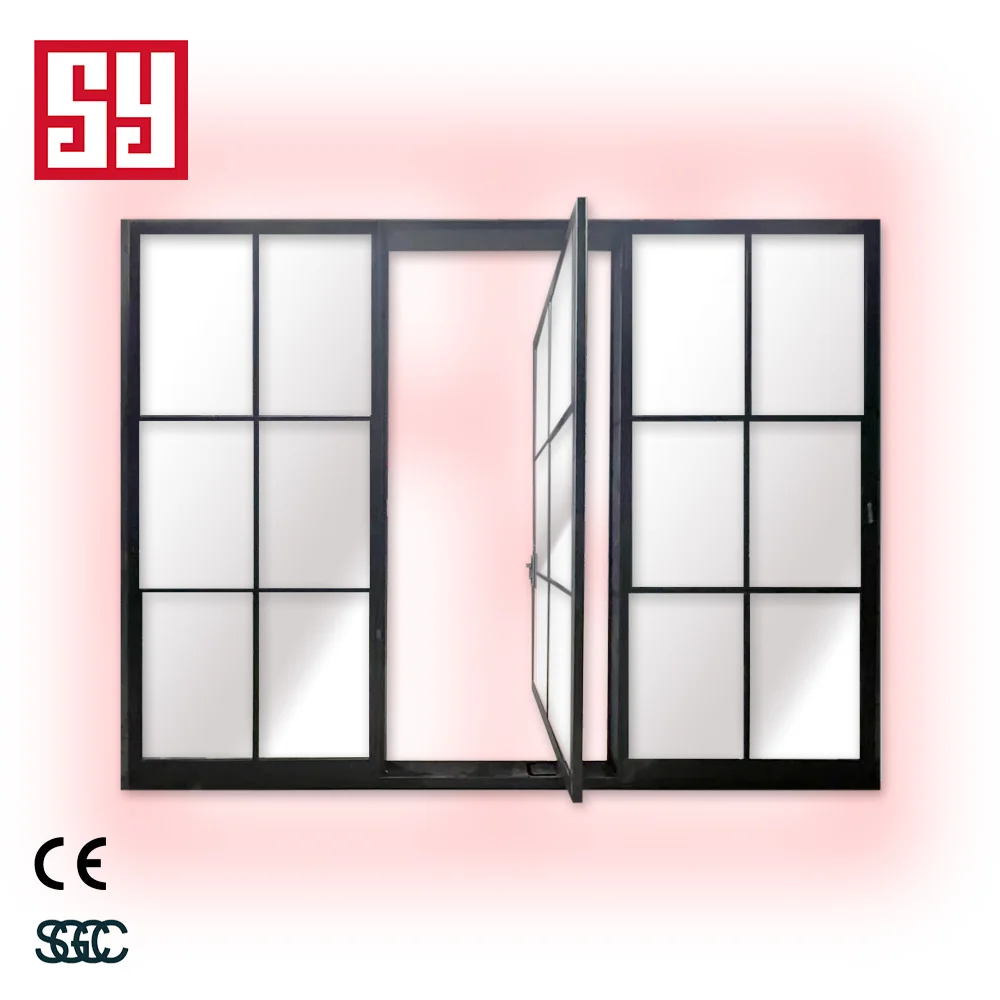
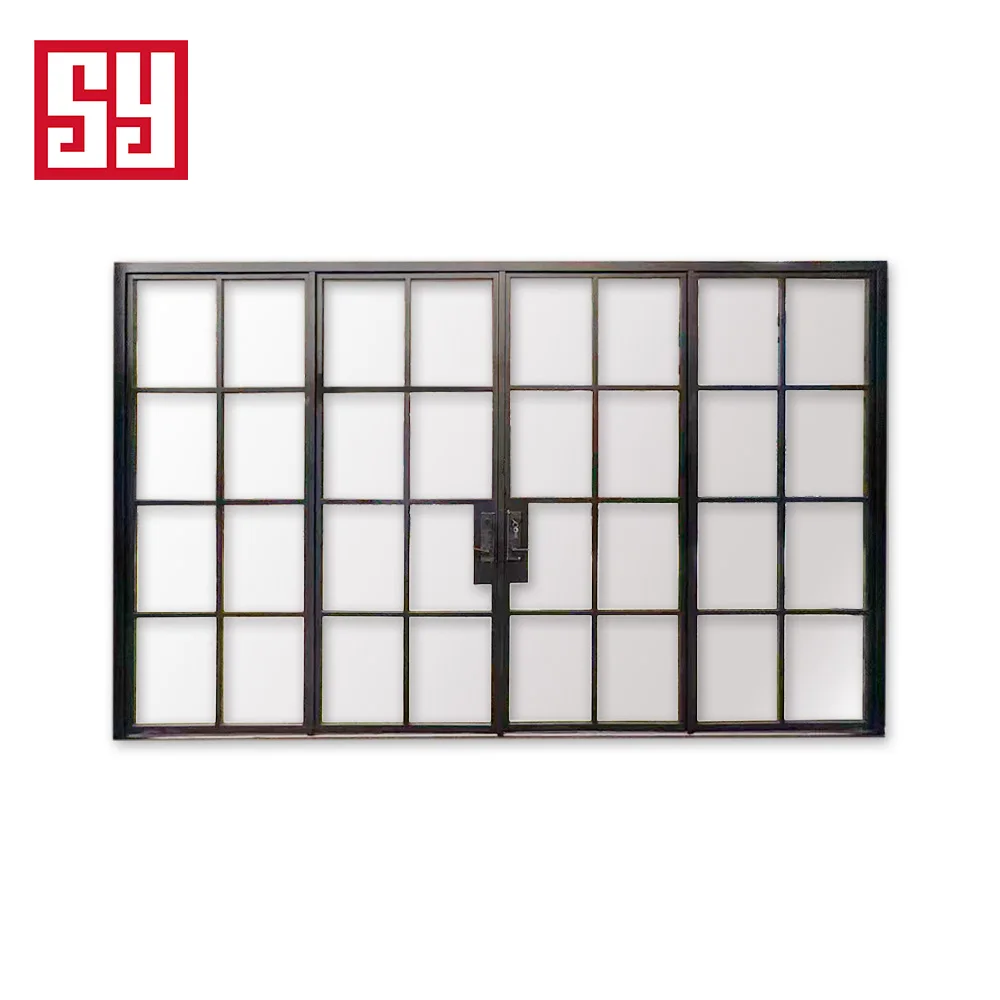
The number one mistake people make with a sliding door is grabbing the edge of the door panel itself to pull it open. This puts uneven pressure on the glass and the frame. Over time, that extra stress can loosen the seals or even cause the glass to shift. Instead, always use the designated handle or pull bar. These are attached directly to the structural parts of the door. They are designed to handle the force of opening and closing. Taking an extra second to find the handle keeps your sliding door working smoothly for many more years. It is a small habit that prevents big headaches down the road.
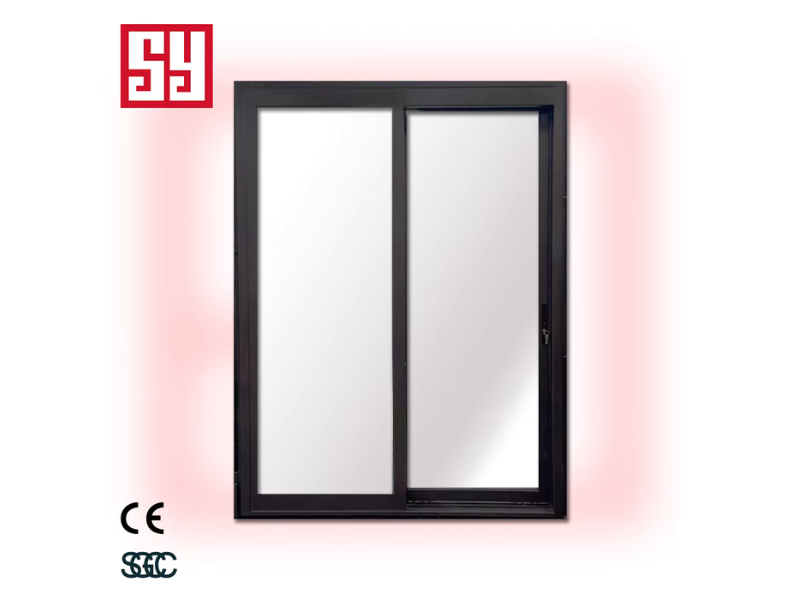
Slamming a sliding door shut or yanking it open aggressively is never a good idea. The rollers and tracks are precision parts. Jerky, forceful movements wear them out faster. When you operate a sliding door, use gentle and steady pressure. Think of it like guiding the door rather than fighting with it. If the door feels stuck or gritty, do not force it. Forcing it only damages the rollers or bends the track. Instead, stop and figure out what is causing the resistance. A quick clean of the track usually solves the problem. Patience is cheaper than buying a new sliding door.
Dirt and debris are the biggest enemies of a smooth sliding door. Every time you open and close the door, tiny particles can get pushed into the track. Over weeks and months, this buildup creates friction. The door starts to feel rough and noisy. Make it a habit to glance at the track whenever you use the door. If you see visible dirt or crumbs, sweep them out with a small brush or a vacuum attachment. This daily awareness takes almost no effort but makes a huge difference. A clean track means less wear on the rollers and quieter operation overall.
A sliding door is not a ladder or a storage rack. Leaning your weight against the glass panel can misalign the rollers or damage the seals. Hanging heavy coats, bags, or decorations directly on the door frame adds extra stress that the system was not designed for. This is especially true for pocket doors that slide into the wall. Extra weight can cause the door to sag or drag along the bottom track. If you need storage hooks near the door, install them on the adjacent wall instead. Keeping the door itself free from extra load helps it glide properly for years.
People often slide a door most of the way closed but leave a small gap. This seems harmless, but it actually causes problems over time. The gap allows dust and drafts to sneak through. It also means the door is not seated correctly in its locking mechanism. A partially closed sliding door can shift slightly over time and become misaligned. Make sure you hear the soft click of the latch engaging. Push it until it stops naturally. A fully closed door stays protected from the elements and keeps your home secure. Plus, it looks much better than a door that is slightly ajar.
 Hot News
2026-10-19
2026-10-12
2026-10-07
2026-09-25
2026-09-17
2026-09-11

Xiamen SenYi is a professional enterprise specializing in the research, design, production and sales of high-quality iron doors. It is dedicated to providing customized iron door that combine safety, practicality and aesthetic value for various customers.
No. 1043, Yincheng Mingzhu, Tong'an District, Xiamen City, Fujian Province, China
Copyright © 2025 by Xiamen SenYi Ironware Co., Ltd Privacy Policy
 EN
EN