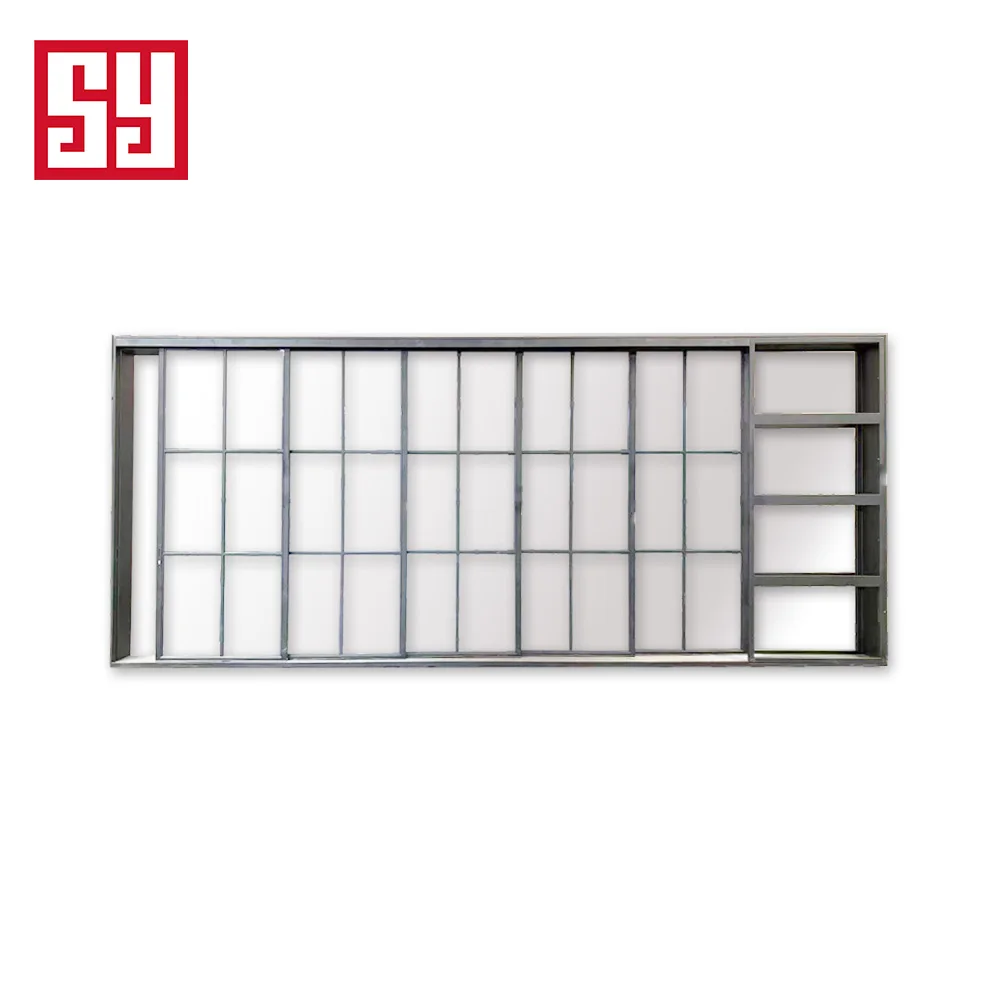
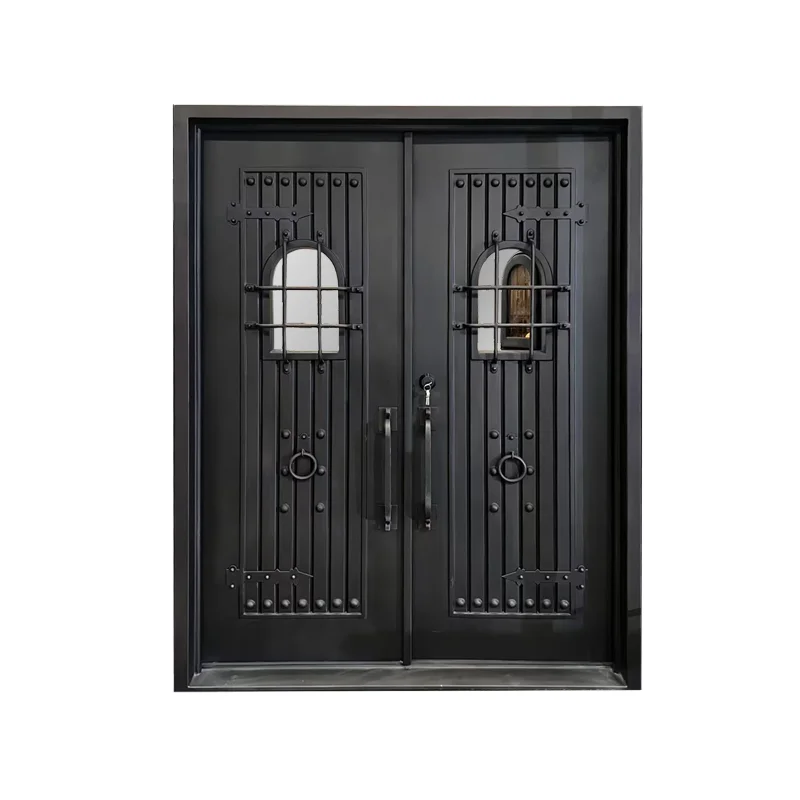
When air leaks out through exterior doors, it essentially forces HVAC systems into overdrive trying to maintain comfortable temperatures inside, which means higher energy usage all around. Even something as tiny as an 1/8 inch gap along a door frame acts like having a 6 inch square hole right there in the wall. ENERGY STAR reports show that these random air exchanges make heating and cooling equipment run about 30% longer each day, driving up monthly bills while also wearing down parts faster than normal. Good weather stripping creates what's called a continuous thermal barrier across door frames and windows, stopping warm or cool air from sneaking out and letting outside air come in where it shouldn't be.
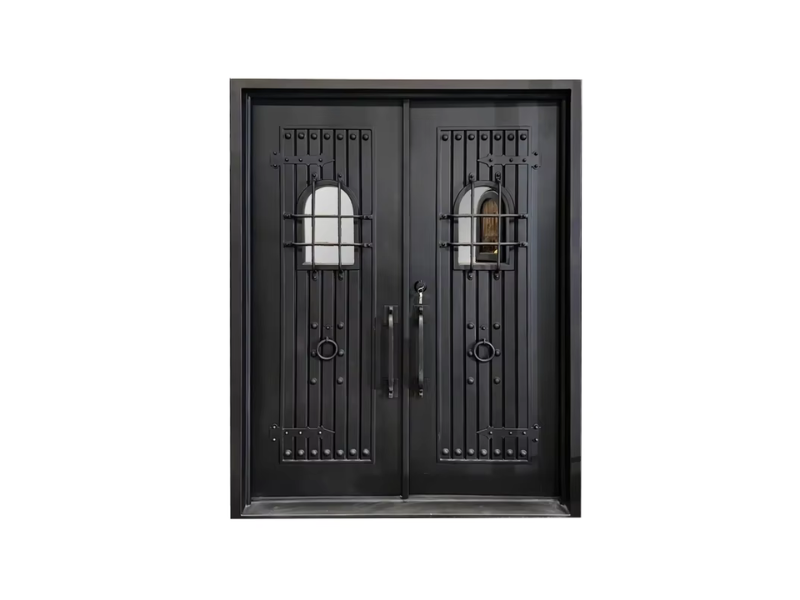
Weatherproofing solutions that have been properly certified actually cut down on energy bills in ways people can measure and feel for years. According to various industry reports, good quality sealing work combined with proper insulation typically brings about 15 to 20 percent savings on yearly heating and cooling expenses across regular households. The folks at the US Department of Energy point out that simply sealing up air leaks ranks among the top value-for-money improvements when it comes to home efficiency, sometimes paying for themselves within just a few months. For those living in areas where winters are harsh or summers scorching, adding doors with efficient core materials makes all the difference. Homeowners there tend to pocket around $150 to $350 each year after these improvements, money that keeps growing as seasons pass by, plus they enjoy better temperature control throughout their homes and noticeably cleaner indoor air quality too.
Effective sealing eliminates drafts that degrade thermal consistency, directly supporting both occupant comfort and system efficiency. Unaddressed gaps around exterior doors increase heating and cooling demands by up to 30%, undermining HVAC performance and occupant well-being.
A comprehensive infiltration defense relies on three interdependent elements:
When correctly installed and maintained, this trio reduces residential air leakage by 25–40%, significantly improving envelope tightness without compromising operability.
Performance is defined by standardized metrics that guide specification and verification:
Doors meeting these benchmarks—paired with robust sealing—maintain stable interior temperatures, reduce HVAC runtime, and align with IECC and ENERGY STAR® Most Efficient criteria.
When water gets inside through doors, it's one of the main reasons buildings end up with moisture problems. Doors that aren't properly sealed around their thresholds and frames let rainwater sneak in, which then pushes condensation deep into walls and under floors. Left unchecked, this trapped moisture becomes a breeding ground for mold growth. Research shows mold spores can start multiplying pretty quickly once things stay damp for too long. Good quality door sweeps, tight fitting compression seals, and proper flashing all help keep water out at those critical points where doors meet walls. Builders working near coastlines or in areas with heavy rainfall need to think about using special marine grade silicones and rust proof fasteners since regular materials just won't stand up to constant exposure to salt air and sunlight over time.
Proper weatherproofing keeps buildings standing strong by stopping water from causing damage over time. Wood parts left unprotected in damp areas can rot four times quicker than those properly sealed against moisture intrusion. Metal door sills that go through constant wetting and drying cycles tend to get pitted with corrosion, which makes them weaker and less stable where they connect to walls. Good quality seals that last through seasons help avoid problems caused when materials expand and contract repeatedly, leading to warped frames, loose hinges, and worn out gaskets. Smart drainage design matters too. Things like angled thresholds, small drain holes, and specially designed base pans under doors make all the difference in preventing ice buildup, water climbing up walls, and gradual wear on building materials at their weakest points.
For buildings to perform at their best, exterior doors need to work together with the rest of the structure instead of standing alone. When weatherproofing combines things like continuous air barriers, water resistant membranes, thermal breaks, and those sealed interfaces where parts meet, it creates something stronger than just individual fixes. The real battle happens at these four trouble spots we see all the time: where thresholds meet sills, around door hardware, along the edges of joints, and between frames and walls. Fixing these issues at once helps stop the constant wear and tear from day to day temperature changes and keeps water out of the building's bones. According to a study by the Resilient Construction Council last year, buildings that have properly sealed doors suffer about 38 percent less damage when storms hit hard, whether it's freezing temperatures, heavy rains pounding down, or intense heat lasting days on end. Good weatherproofing doesn't just patch problems but turns potential weak spots into strong features that last longer, keep people safe inside, and maintain property value over time.
 Hot News
2026-10-19
2026-10-12
2026-10-07
2026-09-25
2026-09-17
2026-09-11

Xiamen SenYi is a professional enterprise specializing in the research, design, production and sales of high-quality iron doors. It is dedicated to providing customized iron door that combine safety, practicality and aesthetic value for various customers.
No. 1043, Yincheng Mingzhu, Tong'an District, Xiamen City, Fujian Province, China
Copyright © 2025 by Xiamen SenYi Ironware Co., Ltd Privacy Policy
 EN
EN