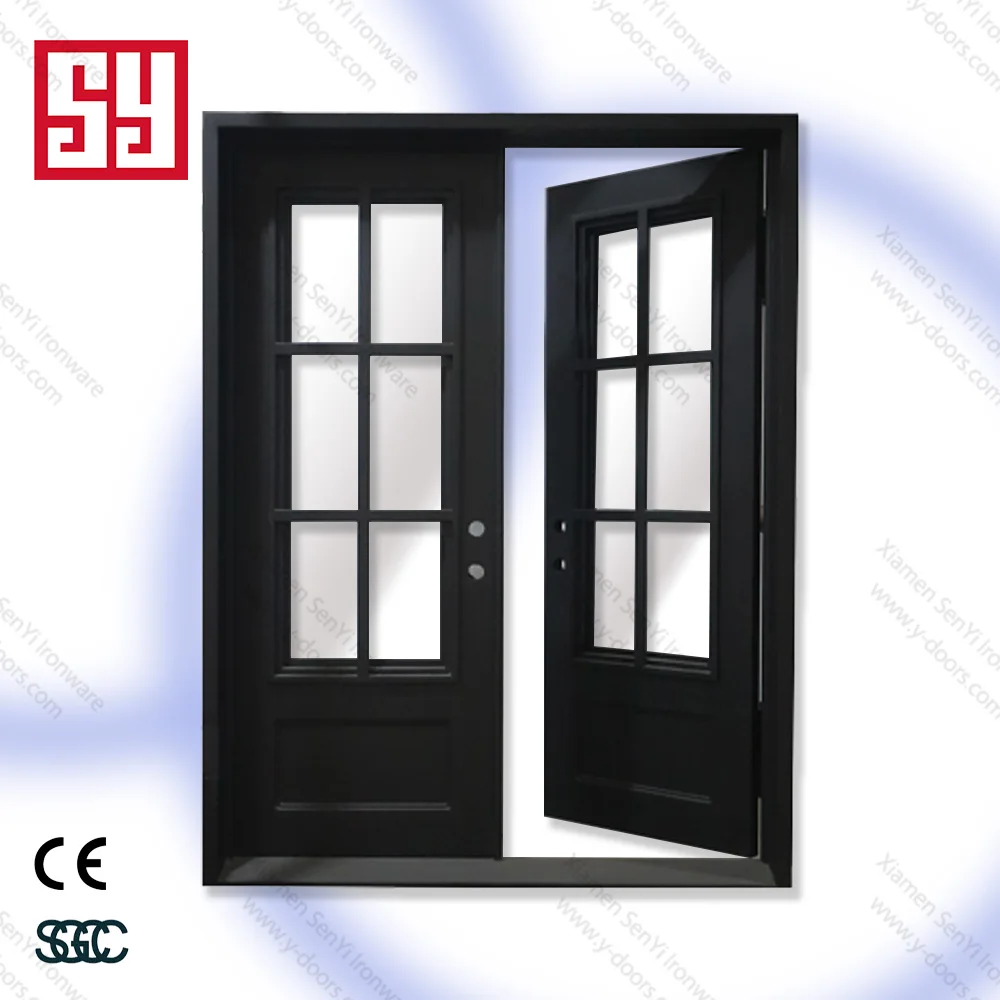
I want to show you something that will change the way you view doors.
Think of doors that you use on a daily basis that you use a million times. You use a handle to pull and the door swings on its hinges. Have you ever pushed a door that is different and special? Maybe a door that swings so smoothly it feels like it is floating? That is a pivot door. Typically, regular doors rotate around a side frame, however, a pivot door is designed to rotate around a vertical Y axis. Because of the change in the axis of rotation, a completely new experience is created, setting doors apart.
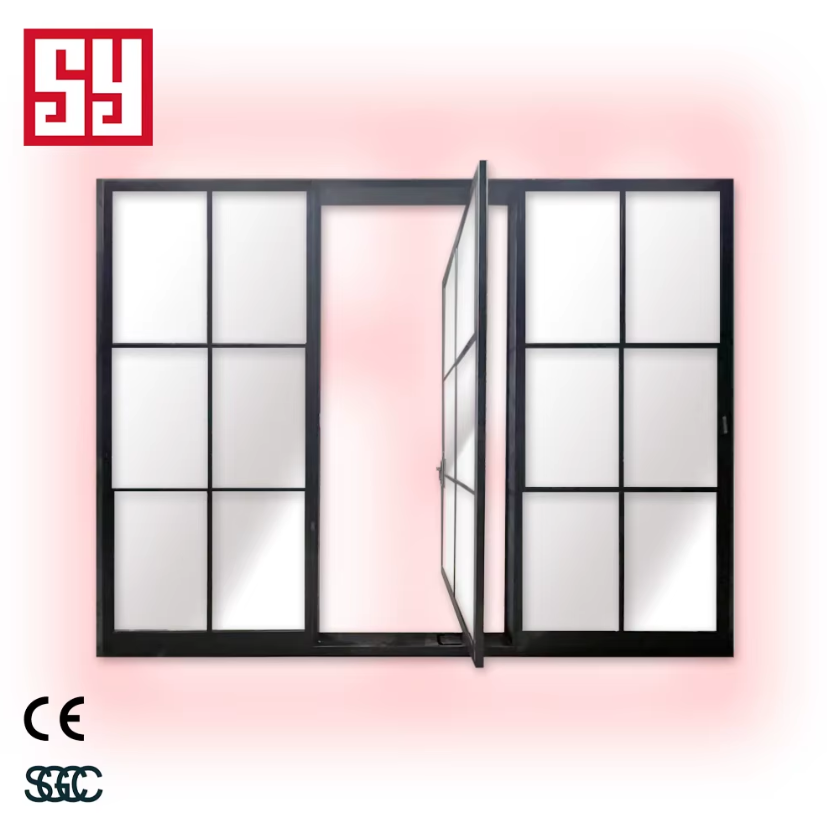
We need to clear a misconception. Unlike a regular front door that is constructed and designed with hinges on one side, a pivot door is designed with a revolving mechanism so that its weight is suspended on a central structure and evenly distributed to the axis of rotation. Think of the pull mechanism, the rotation evenly distributed throughout the vertical line, and the hinges positioned to ensure smooth rotation so that the construction of a pivot door allows hinges to be housed and not be exposed at the edge of the door as in a regular hinge door. When a pivot door is constructed and designed, the panels of the door and the weight of the construction are working in harmony and balance. Each time you pass a door at work, at school, or at a friend's house, do not think you are just opening and closing it. You are weaving a story of design and construction with every pull as you judiciously and efficiently utilize its construction.
This is not entirely accurate for a pivot door. In a pivot door, the door rotates around its own vertical axis. The weight of the door is supported by a system of spindles attached to the floor. The weight is not supported by a wall frame. This allows larger, heavier, wider doors to be installed without concern for sagging. Depending on the pivot system used, doors can weigh up to 500 kg. That is over a thousand pounds. Not only can doors of this weight be installed, but they open smoothly and quietly on a pivot system.
I find that the best way to explain how pivot doors work is to discuss these doors in terms of these two components. The bottom pivot, or floor pivot, is the first and most important component. This is the primary component that must be anchored to the floor structure and suspends the most weight of the door. The second is the top pivot. This component is used to secure the door and prevent it from wobbling.
There is a bottom pivot that contains precision bearings that allow the door to rotate with almost no friction. These bearings are what allow pivot doors to feel buttery smooth. You can push a heavy solid wood door open with a single finger because the bearings do all the work. The top pivot is nearly invisible and sits level in the top edge of the door and affixes to a plate in the door header. It may not carry much weight, but it does keep the door perfectly vertical to avoid scraping and binding.
Both pivots are usually hidden from view when the door is closed. That is part of the magic. You see this beautiful slab of wood, metal, or even glass, without any knowledge of the sophisticated engineering within the top and bottom edges.
This is also perhaps the most interesting aspect of a pivot door, which is the freedom of choice of where the rotation axis is. When you compare it to a traditional hinged door, the hinge line is fixed to one edge, and there is no choice. Now, the most exciting part for a pivot door is that the pivot point can be at the very edge of the door, or it can be slightly off center, or even smack in the middle.
This type of door has excellent weight distribution, so it operates like a standard door when the pivot is placed near the edge. However, when the pivot is placed at the center of the door, it will have a balanced or equal swing. This means the door will have a greater theatrical impact, especially when used in larger applications. The placement of the vertical pivot is what dictates how much of the door will swing into the room and how much will swing out. This is a great thing for architects because it gives them control of the door's relationship to the space around it.
Now I want to talk about some of the details of what makes the upper end pivot doors so appealing. The majority of the pivot door premium mechanisms on the market employ hydraulic technology. In the pivot hinge there is a reservoir of hydraulic oil. When the door is opened, that oil is forced through tiny channels, which causes a resistance that determines the speed at which the door can open.
This hydraulic control is what ensures heavy doors do not swing too quickly and ram into the frame, or close too slowly or too quickly. The more modern systems also allow for adjustments to the speed of the door at both the closing and latching mechanisms, and also allow for a soft close feature or a back check feature. The back check is a great feature that stops the door from swinging too wildly and hitting the wall behind it.
The doors where gentle self closing hinges do not let the door slam shut use hydraulic pivot technology. Think of soft close drawers. This technology is engineered to hinge the doors with the capability to close hundreds of pounds worth of weight.
To some this may come as a surprise, but pivot doors are not of contemporary design. In fact, they have stood the test of time. Archaeologists have discovered some of the oldest pivot doors in the ancient ruins of Persepolis, a city in the modern day nation of Iran. Those hinges from 465 BC were designed in a way that the door rotated on pins that were set into the stone foot of the threshold and the stone head, the lintel.
These are meant to last centuries. The design is not very distinct through the many years, and the modern pivot doors are not a pivot door with no decor. The modern pivot doors use modern materials and hinges. What keeps them working are the modern materials and modern metals and engineering. The ancients may have come up with the idea, but they may have modern innovation to thank for the execution of modern pivot doors.
Understanding how a pivot door operates can yield countless benefits in your daily life. First, a pivot door operates gracefully, meaning less friction for your door and less effort required from you. Second, a pivot door has a unique weight distribution which results in sturdiness and longevity. A pivot door is practically designed so it can never sag, loosen, or wear down like a traditional hinged door. Finally, pivot doors have design flexibility which provides limitless custom size options and a choice of materials. You are no longer confined to the mundane box door. You can create a custom door with a giant scale that aristocrats would envy.
If you are building or renovating a home, a pivot door is the choice of someone who values design and quality. This is a door and a high quality user accomplishable design and actually enjoyable.
 Hot News
2026-10-19
2026-10-12
2026-10-07
2026-09-25
2026-09-17
2026-09-11

Xiamen SenYi is a professional enterprise specializing in the research, design, production and sales of high-quality iron doors. It is dedicated to providing customized iron door that combine safety, practicality and aesthetic value for various customers.
No. 1043, Yincheng Mingzhu, Tong'an District, Xiamen City, Fujian Province, China
Copyright © 2025 by Xiamen SenYi Ironware Co., Ltd Privacy Policy
 EN
EN