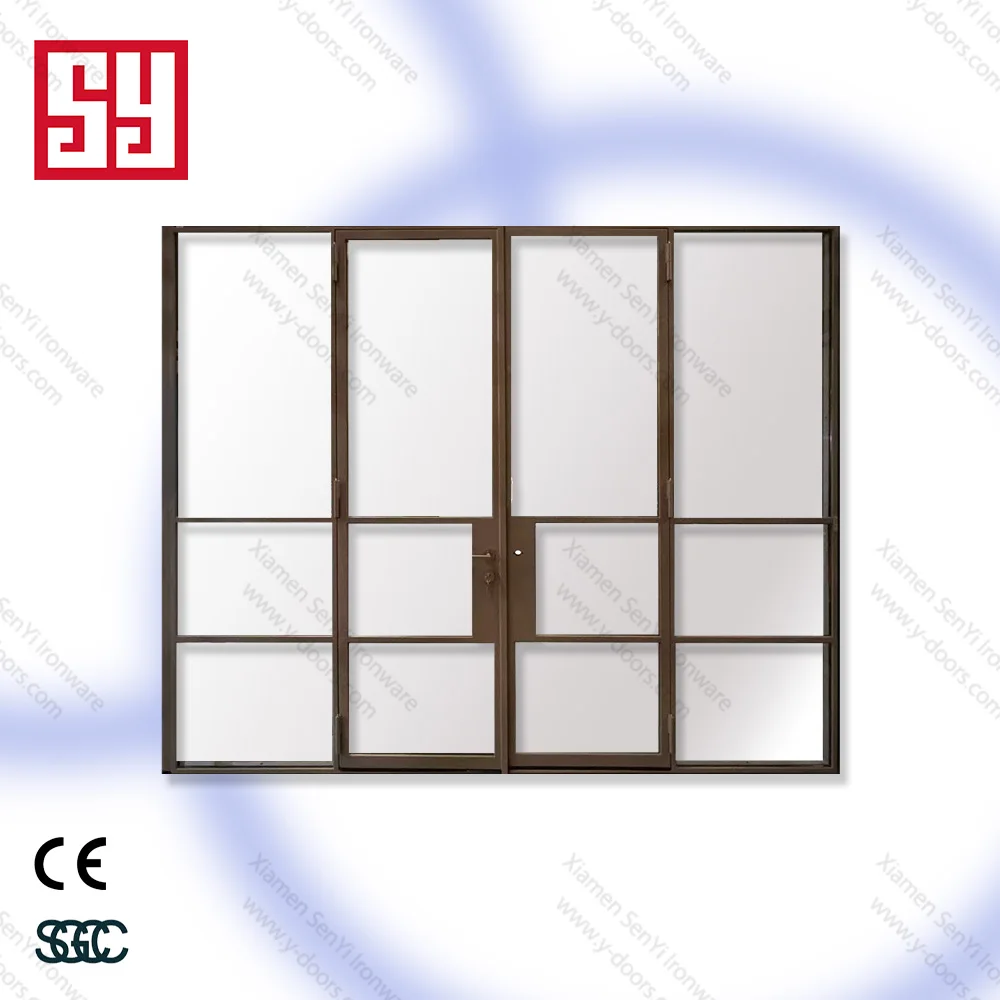
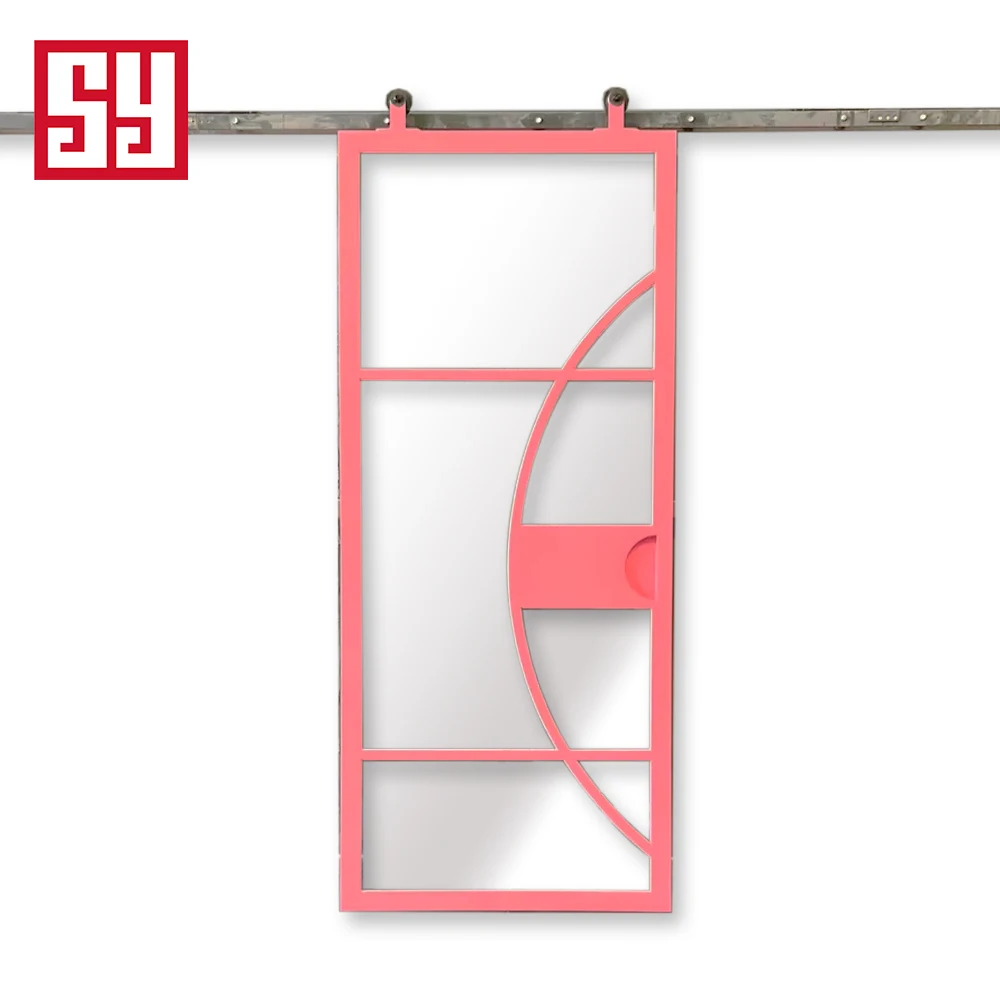
Preserving Every Inch of Precious Floor Space
When you are dealing with a small room, every square foot matters. You know that feeling when you walk into a tight space and everything feels a little too close? The furniture, the walls, the door swing. A heavy, bulky door can make a small room feel even smaller. The door itself takes up space when it is open, and the weight of it can make the room feel heavy and closed in. That is why lightweight interior doors have become such a popular choice for smaller spaces.
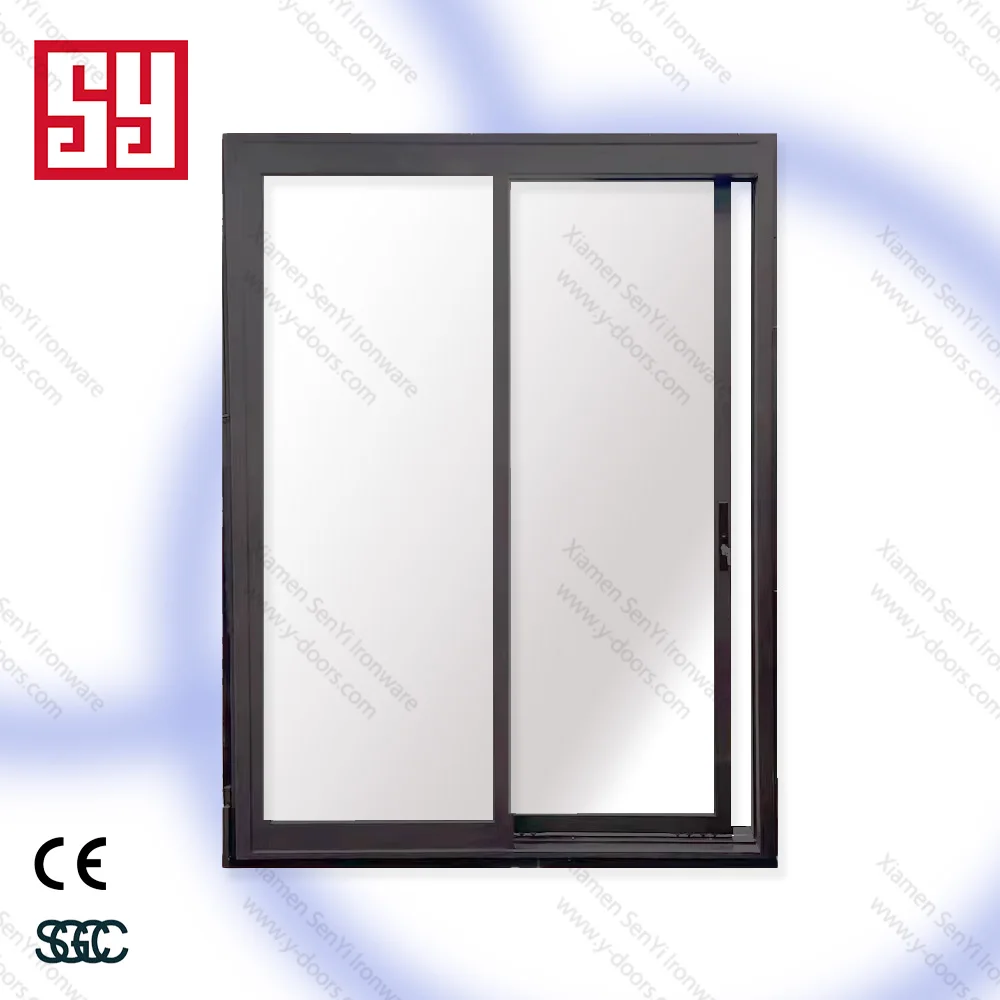
Think about how a door moves in a small room. A standard solid wood door, when it swings open, cuts into the room. You have to plan your furniture layout around that swing. You might find yourself pushing a chair out of the way just to get in and out. With a lighter door, the swing feels less intrusive. You are not fighting against a heavy slab of wood every time you walk through. More importantly, a lightweight door gives you the option to choose different opening mechanisms that work better for tight spaces. A sliding door, for example, does not swing into the room at all. It glides along the wall, taking up almost no floor space. A pocket door disappears right into the wall, completely out of sight when it is open.
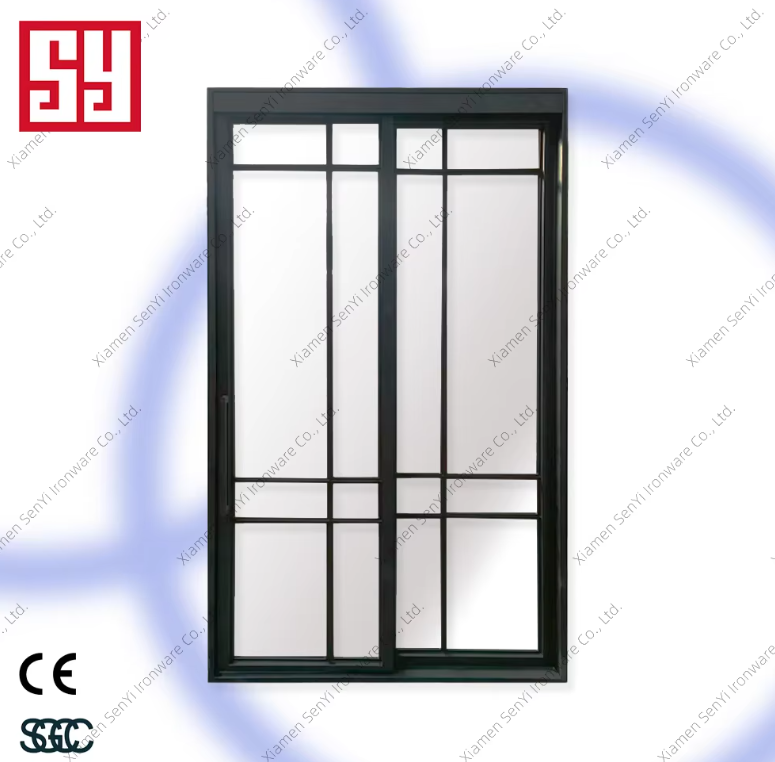
I have seen homeowners transform tiny bathrooms and compact bedrooms just by swapping out a heavy swing door for a lighter, more space efficient option. Suddenly, the room feels bigger. You are not constantly dodging a door. You can put a small dresser or a shelving unit where you could never fit one before. It is not just about the physical space the door occupies. It is also about the visual weight. A heavy, dark door can make a small room feel even more cramped. A lightweight door with a more open design, like one with glass panels, lets your eye travel through the door rather than stopping at a solid surface. That visual flow makes the room feel more open. In a small room, preserving every inch of usable space is critical, and choosing the right interior door is one of the smartest moves you can make.
Easier Operation and Gentler on the Room
Another reason lightweight interior doors work so well in small rooms is how easy they are to operate. When you are in a tight space, the last thing you want is to struggle with a heavy door that requires a good push to get it moving. A heavy door can be awkward to handle, especially if you are carrying something in your arms or trying to maneuver around furniture. A lightweight door, on the other hand, moves with a gentle touch. It glides open smoothly, closes easily, and does not require you to put your whole body into it.
This ease of operation is especially important in rooms where you move in and out frequently. A bathroom, for instance, or a home office. You want the door to feel effortless. There is something about a door that moves too heavily that just makes a space feel more cramped. It is like the room is resisting you. A lightweight door feels cooperative. It opens and closes in a way that feels natural and easy, and that small difference in experience adds up over time.
The lighter weight also means less strain on the door hardware. Hinges last longer when they are not constantly holding up a heavy door. Sliding mechanisms work more smoothly. Everything just functions better. In a small room where you might be opening and closing that door dozens of times a day, that durability matters. You want something that is going to hold up without needing constant adjustments or repairs. A lightweight interior door that is well made will give you that smooth, reliable operation day after day, making your small space feel more comfortable and functional.
Bringing in Light and Keeping the Room Open
One of the biggest challenges in a small room is making it feel bright and open. A solid door can block light and make the space feel closed off. Even when the door is open, if it is a heavy, opaque door, it creates a visual barrier. Lightweight interior doors often come with glass panels or open designs that allow light to flow between rooms. This is a huge advantage in a small space.
Imagine a small bedroom with a single window. The natural light that comes in is precious. If you put a solid door on that room, the light stops at the door. The hallway stays dark, and the room feels more enclosed. But if you choose a door with glass panels, that light travels through. It brightens the hallway, and it makes the bedroom feel more connected to the rest of the home. Even with the door closed, you get that sense of openness because you can see light through the glass.
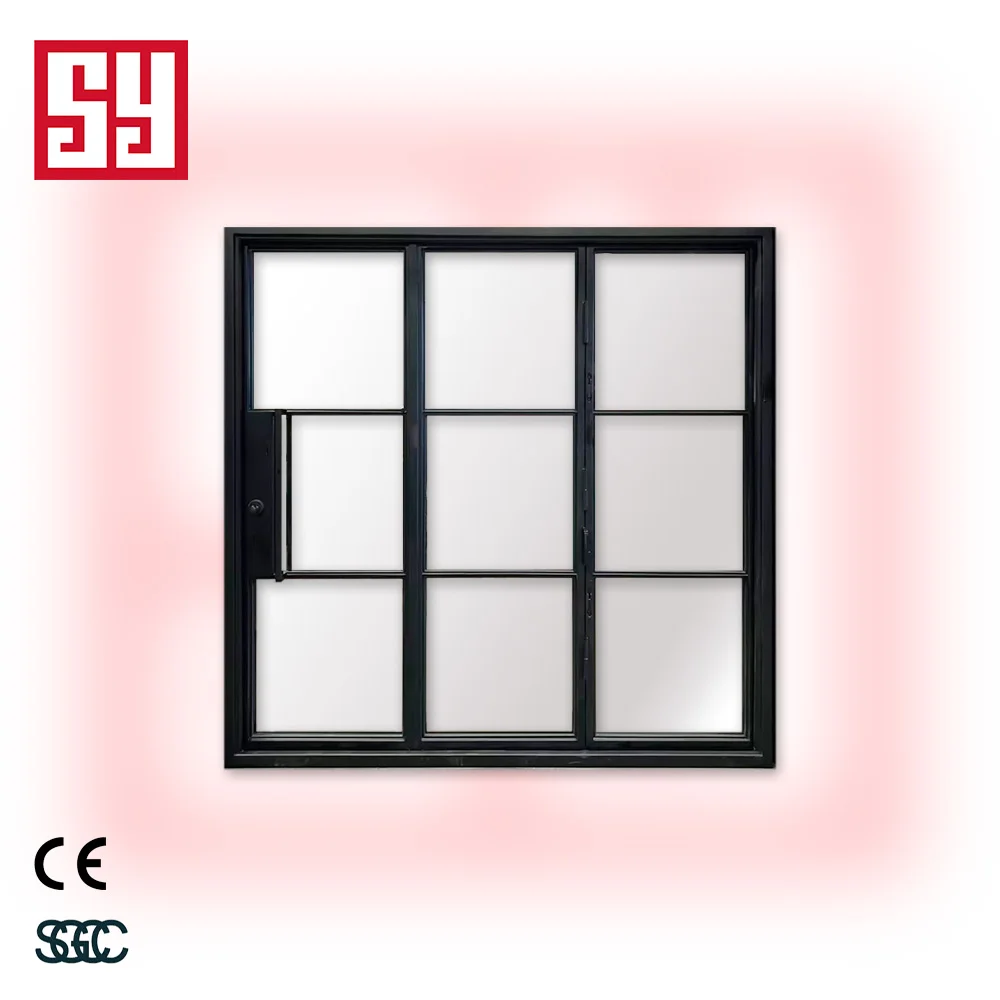
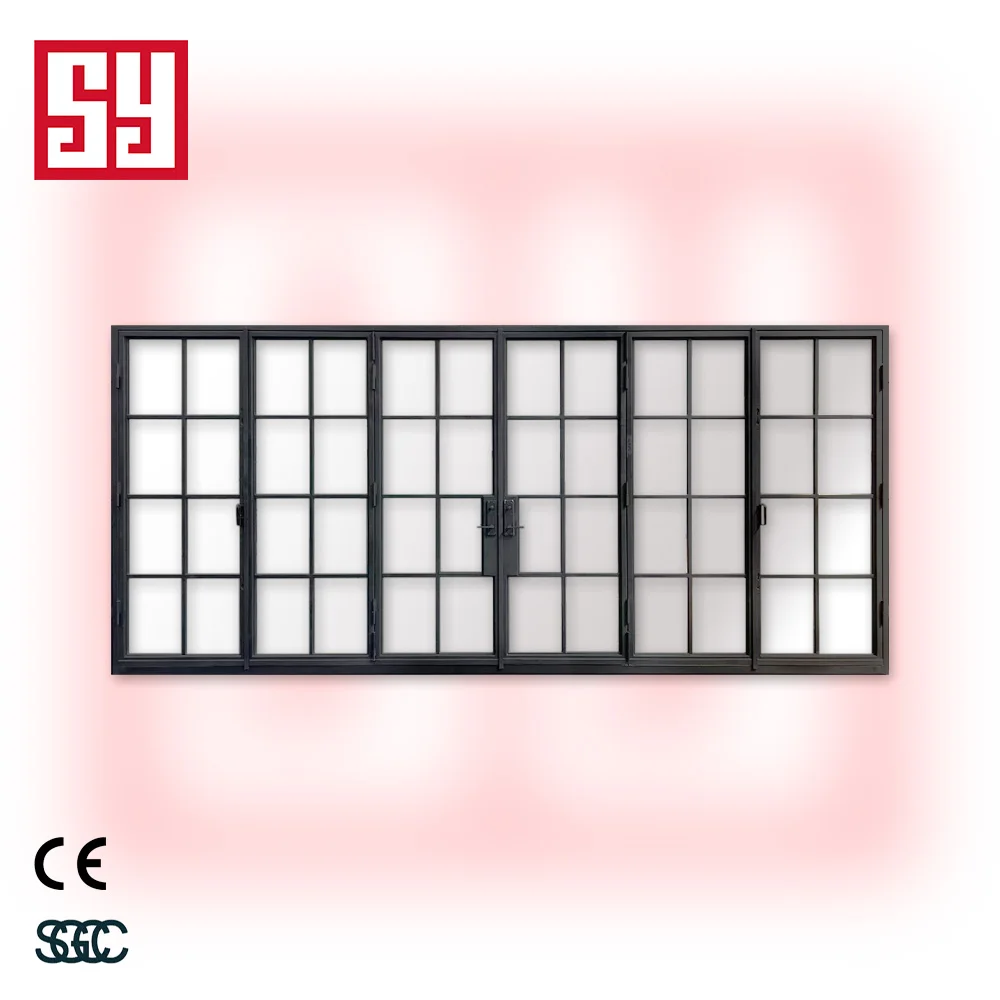
There are different levels of transparency to choose from. Clear glass gives you maximum light and visual connection. Frosted or textured glass gives you privacy while still letting light through. That is a wonderful option for a small bathroom or a home office where you want some separation but do not want the space to feel dark and closed off. Some lightweight doors are designed with multiple panels of glass, creating a pattern that is beautiful to look at while serving that practical purpose of light transmission.
The lightness of the door is not just about weight. It is also about the feeling the door gives you. A door that is visually light, with glass and slender frames, feels less imposing in a small room. It does not dominate the space the way a heavy solid door does. It sits there quietly, doing its job without calling attention to itself. That kind of subtlety is exactly what you want in a small space. You want the door to function well without making the room feel smaller. A well chosen lightweight interior door does exactly that.
Customization to Fit Your Small Space Perfectly
The final reason to choose a lightweight interior door for a small room is the ability to customize it to fit your exact space. Small rooms often come with challenges. Maybe the doorway is narrower than standard. Maybe the wall next to the door is shallow, so a traditional swing door would hit something. Maybe you want a door that slides but there is not enough wall space for a standard sliding door. These are the kinds of situations where customization makes all the difference.
A good manufacturer can create a door that is built to your exact measurements. If your doorway is an unusual width, they can make a door that fits perfectly. If you need a sliding door for a tight space, they can design a system that works with the wall space you have. Pocket doors are another great option for small rooms. They slide into a cavity inside the wall, completely disappearing when open. That is an incredible way to save space in a tiny bathroom or a compact closet. But pocket doors require precise installation, and having a door made to fit your specific wall cavity is essential.
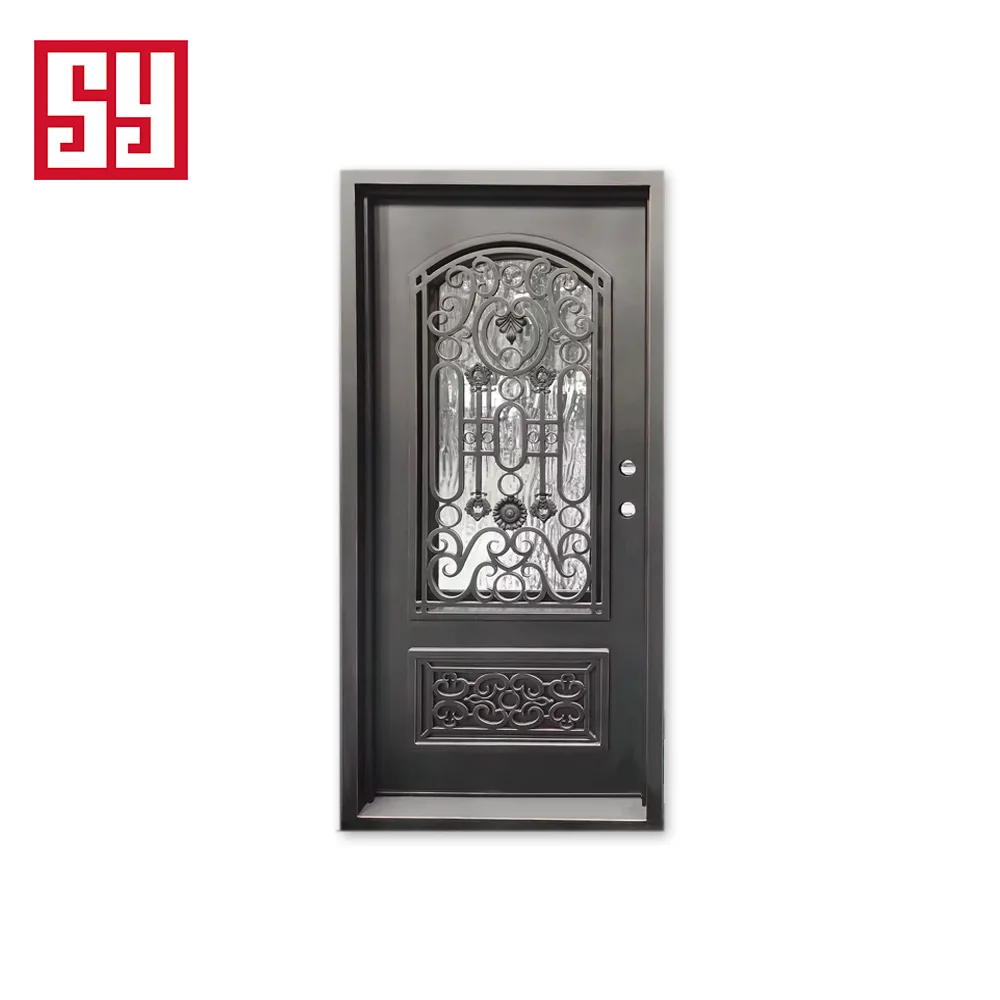
Customization also lets you choose the materials and design that work best for your room. A lightweight door does not have to feel flimsy. You can have a door made from strong, durable materials that are still light in weight and in visual presence. Iron framed doors, for example, can be surprisingly light while offering a strength and elegance that is hard to match. The glass can be chosen to suit your privacy needs. The hardware can be selected to match the style of your home. Every detail can be tailored to make the door not just functional but beautiful.
When you work with a manufacturer that offers custom solutions, you get drawings and specifications before anything is built. You can see exactly how the door will look and function in your space. That peace of mind is valuable. You are not hoping that a standard door will work. You are getting something that was made for your home, your room, your specific situation. In a small room where every detail counts, that level of customization makes a real difference. You end up with a door that fits perfectly, works smoothly, and makes your small space feel larger, brighter, and more comfortable.
 Hot News
2026-10-19
2026-10-12
2026-10-07
2026-09-25
2026-09-17
2026-09-11

Xiamen SenYi is a professional enterprise specializing in the research, design, production and sales of high-quality iron doors. It is dedicated to providing customized iron door that combine safety, practicality and aesthetic value for various customers.
No. 1043, Yincheng Mingzhu, Tong'an District, Xiamen City, Fujian Province, China
Copyright © 2025 by Xiamen SenYi Ironware Co., Ltd Privacy Policy
 EN
EN