Creating Visual Separation Without Losing Connection
One of the most thoughtful ways to use an interior door in your home is to create visual separation between spaces while still keeping a sense of connection. Think about the difference between a wide open floor plan and a series of closed off rooms. Both have their strengths, but sometimes you want something in between. You want spaces that feel distinct without feeling isolated. That is where the right interior door comes in.
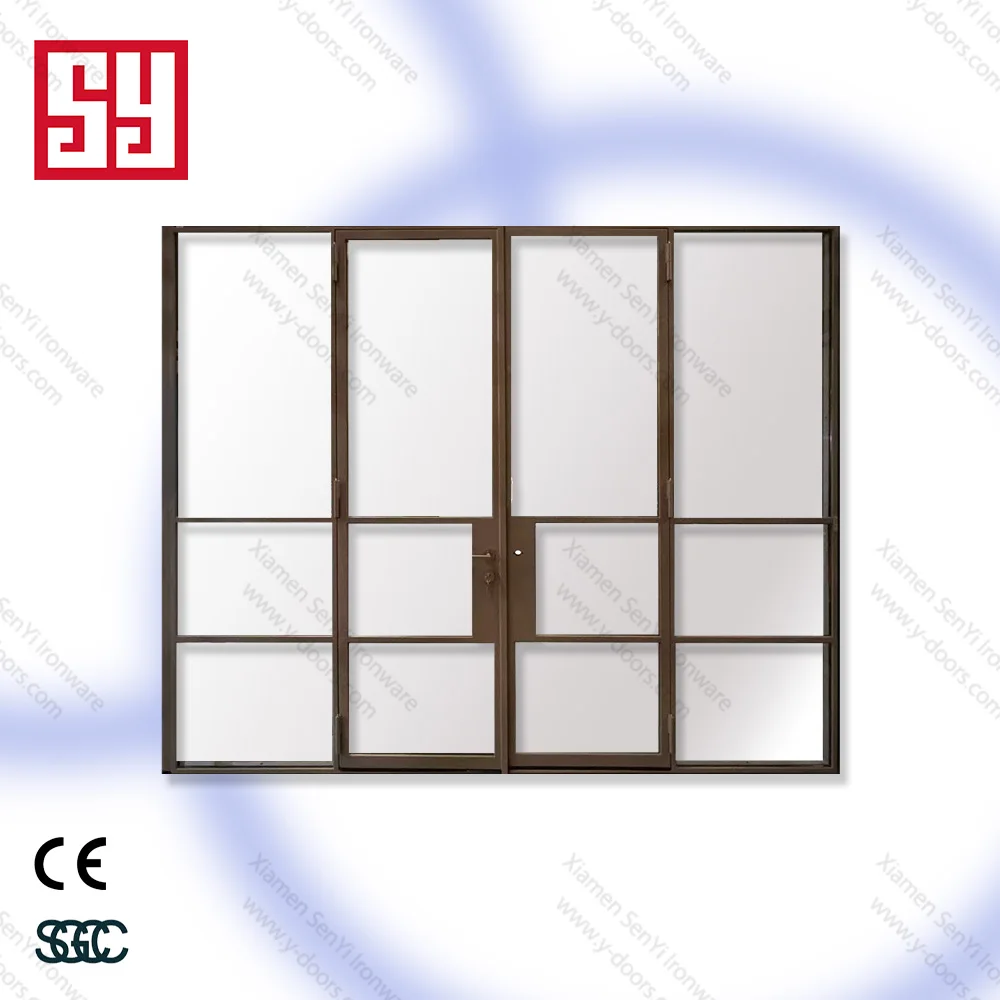
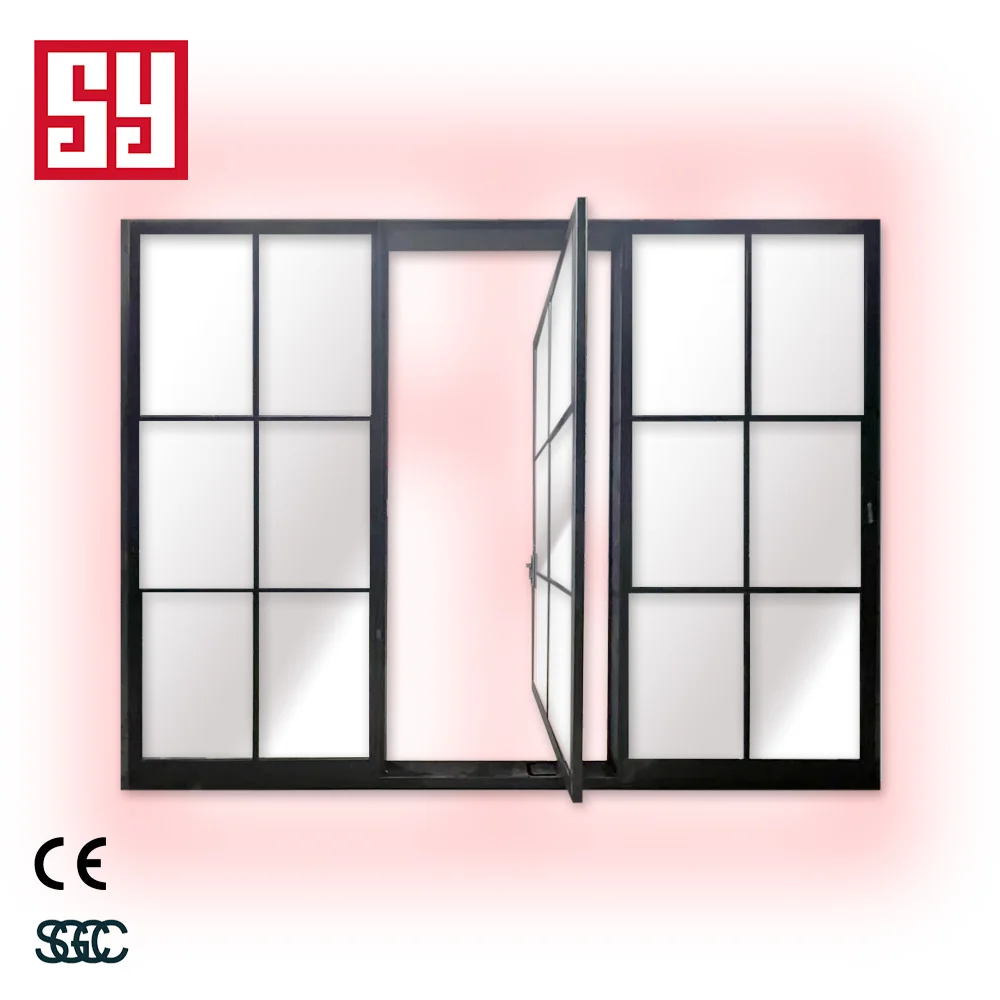
I have seen homes where a set of French doors is used between a living room and a home office. When the doors are open, the two spaces flow together, making the whole area feel larger and more open. But when it is time to focus on work or take a private call, closing those doors creates an instant sense of separation. You are not building a wall. You are creating a boundary that can be opened or closed as needed. The glass panels in the doors let light pass through, so even when the doors are closed, the spaces do not feel dark or cut off from one another. You still have that visual connection, but there is a clear distinction between the two areas.
This kind of flexibility is especially valuable in modern homes where open floor plans are common. An open layout is great for entertaining and for keeping an eye on kids, but it can be hard to find quiet moments. An interior door gives you the ability to carve out a quiet space when you need it without permanently changing the flow of your home. It is like having the best of both worlds. You get the openness you want most of the time, and the privacy you need some of the time. And because the door itself can be a beautiful piece of design, it adds to the aesthetic of your home rather than feeling like an afterthought.
Defining Spaces in Multifunctional Rooms
Another way interior doors are used so effectively is in rooms that serve more than one purpose. So many homes these days have spaces that need to do double duty. A guest room might also be a home office. A dining room might need to function as a play area for kids. A den might need to be a quiet reading nook by day and a media room by night. When a single room has to serve multiple functions, being able to define those functions with a door can make all the difference.
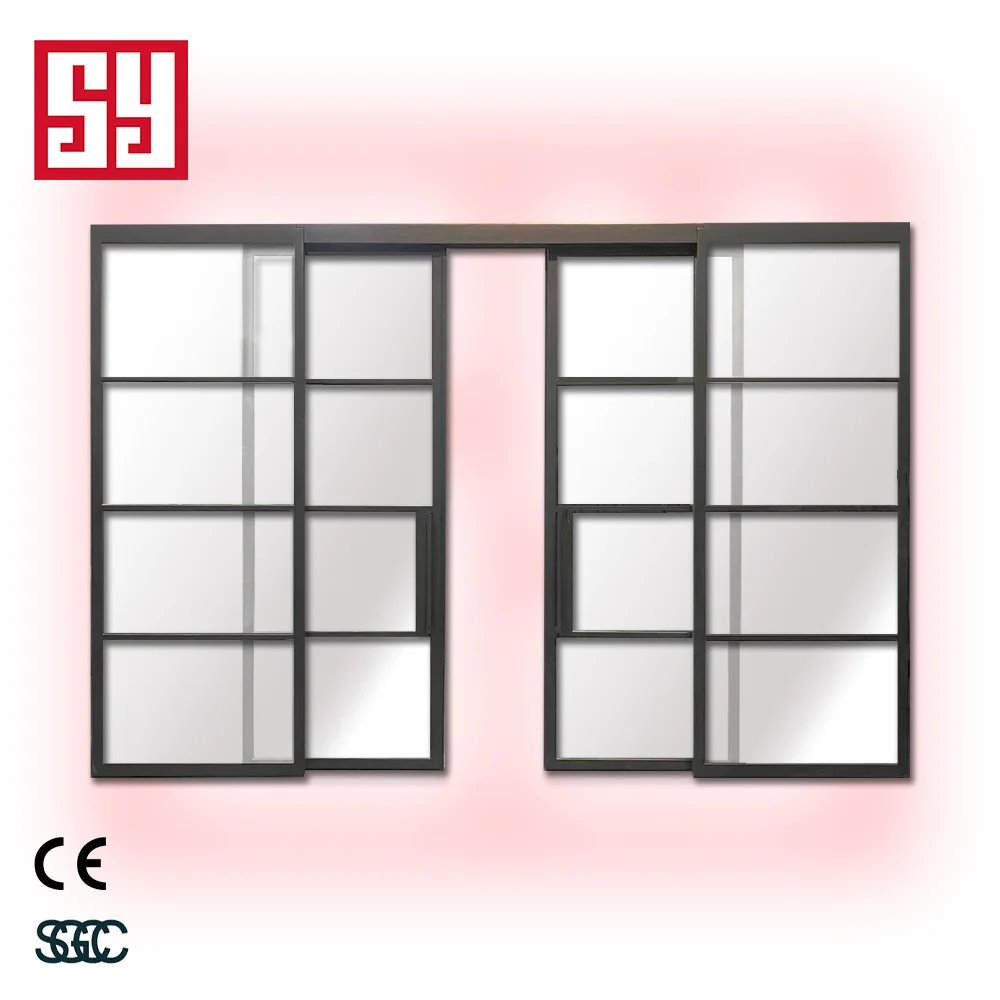
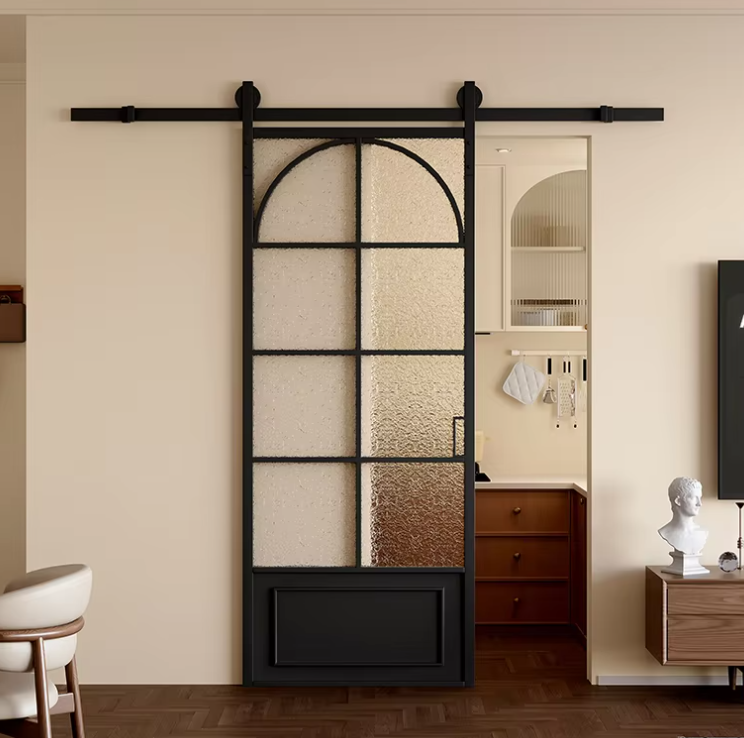
Imagine a room that is both a home office and a guest bedroom. When you are using it as an office, you might want it to feel open and connected to the rest of the home. But when guests come to stay, you want that space to feel private and separate. A well placed interior door lets you switch between those modes easily. It does not have to be a heavy, solid door that blocks everything out. It could be a door with glass panels that lets light through while still offering a sense of enclosure. Or it could be a sliding door that tucks away when you want the space open and closes smoothly when you need privacy.
I have also seen interior doors used to separate a kitchen from a dining area in a way that feels intentional and beautiful. Instead of a wide open pass through, a pair of French doors can create a clear definition between the two spaces. When you are cooking and want to keep noise and smells contained, you close the doors. When you are entertaining, you open them up and the spaces flow together. The door becomes a design feature that adds character to your home while serving a practical purpose. It is a reminder that the way we move through our homes matters, and that a simple door can give us control over how our spaces feel at different times.
Choosing the Right Style to Match Your Home
The style of interior door you choose is just as important as where you put it. A door that does not fit with the character of your home will feel out of place no matter how useful it is. But a door that complements your existing style becomes a natural part of the space, something that feels like it was always meant to be there.
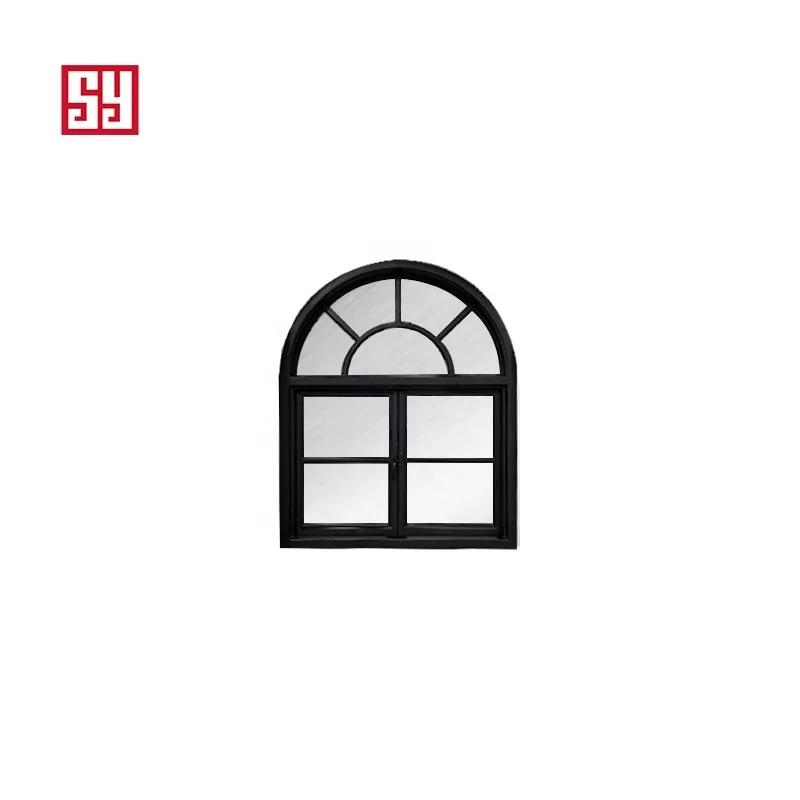
For a home with a traditional or classic feel, a French door with divided glass panels and a warm finish can add a sense of elegance. The symmetry of the panels and the way the light plays on the glass creates a timeless look. For a more modern home, you might choose a door with clean lines and minimal hardware. A sliding door with a simple frame and large panels of clear glass can feel sleek and contemporary. The hardware itself is another detail to consider. A brushed nickel handle gives a different feel than oil rubbed bronze or matte black. These small choices add up to a door that feels like it belongs.
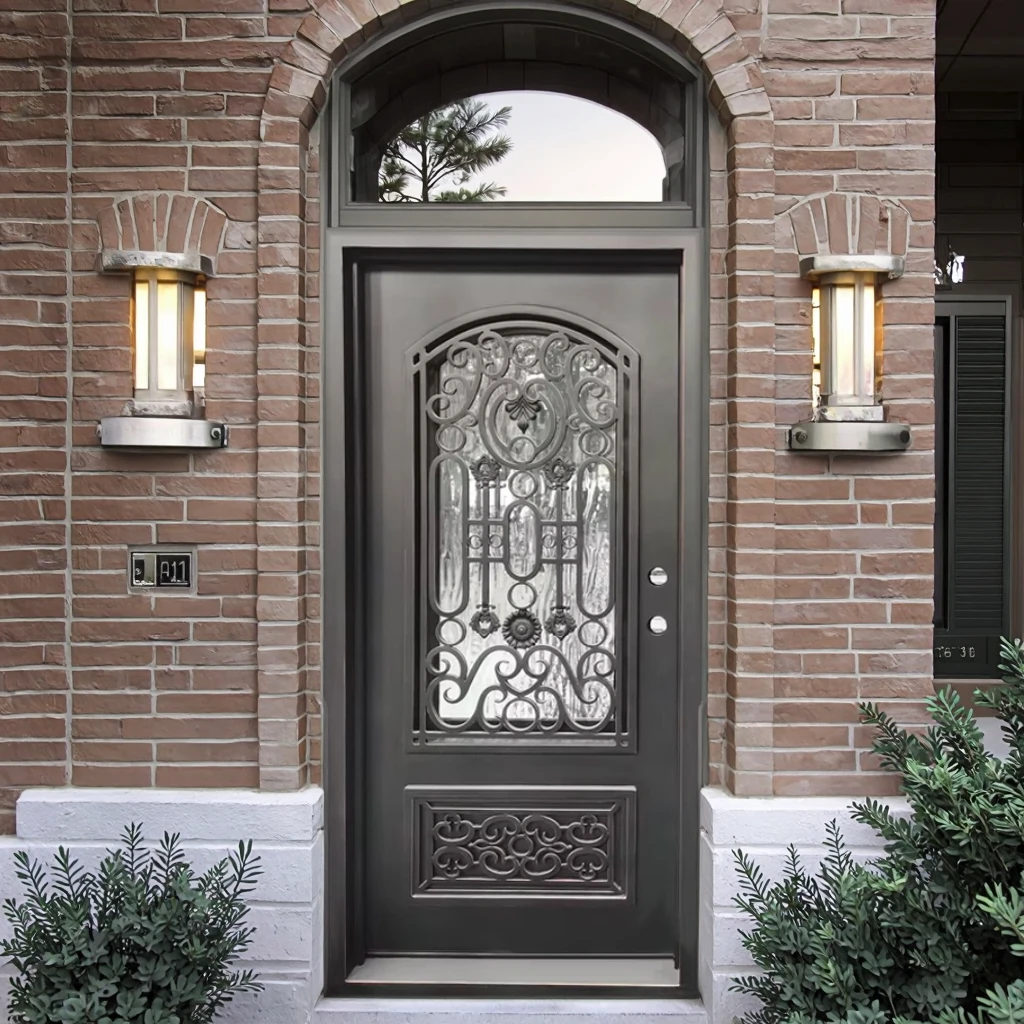
The material of the door also plays a big role in how it defines a space. An iron interior door, for example, has a presence that wood alone cannot match. The strength of the material allows for more delicate designs because the structure can support itself even with large areas of glass. You can have intricate scrollwork or clean geometric patterns, depending on the look you want. The door becomes not just a functional element but a piece of craftsmanship that adds depth and interest to your home. When you choose a style that fits your home and your taste, the door does not just separate spaces. It enhances them.
Customization for a Perfect Fit
The final piece of using interior doors to define spaces is the ability to customize them to fit your exact needs. Every home is different, and the way you use your space is unique to you. A standard door from a big box store might work, but a door that is made specifically for your opening and designed to match how you live is something else entirely.
Customization starts with size. Maybe you have a wide opening between two rooms that you want to be able to close off sometimes. A pair of custom French doors can be built to fit that exact width, creating a seamless look when they are closed and a wide, open passage when they are open. Maybe you have a narrow hallway that leads to a home office, and a standard door would feel too bulky. A custom sliding door can be designed to fit the space perfectly, sliding smoothly into a pocket in the wall or along the surface.
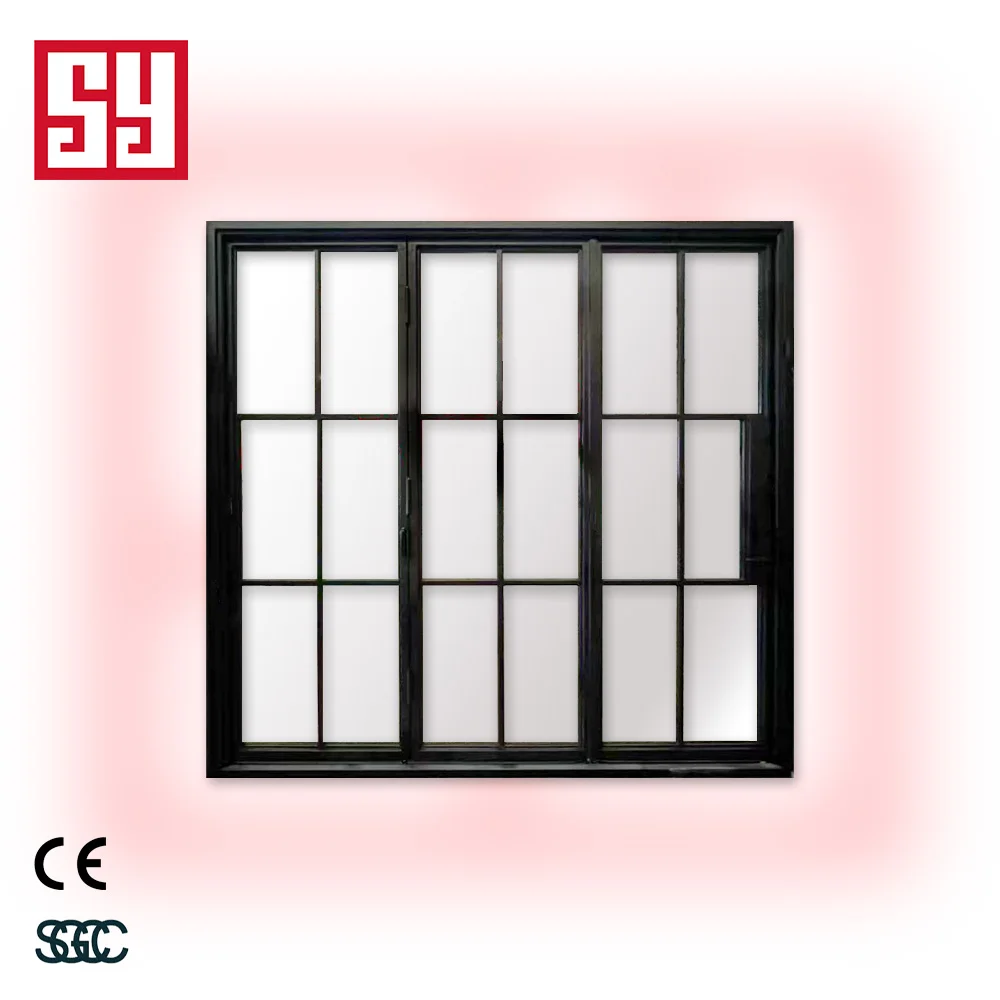
Then there are the design details. You can choose the configuration of the glass panels, the style of the hardware, the finish on the frame. If you want privacy but still want light, you can choose frosted or textured glass. If you want to let in as much light as possible, clear glass with minimal framing is a beautiful choice. For a home with a specific architectural style, you can have a door made that echoes the details of your space, creating a cohesive look that feels intentional and considered.
A good manufacturer will work with you to understand your needs and create a door that fits your space perfectly. They will provide drawings so you can see exactly what you are getting, and they will ensure that the craftsmanship meets a high standard. When you invest in a custom interior door, you are not just buying something to separate spaces. You are adding a feature that enhances your home, giving you the ability to define your spaces in a way that is uniquely yours. That kind of thoughtful design makes a real difference in how your home feels and how you live in it.
 Hot News
2026-10-19
2026-10-12
2026-10-07
2026-09-25
2026-09-17
2026-09-11

Xiamen SenYi is a professional enterprise specializing in the research, design, production and sales of high-quality iron doors. It is dedicated to providing customized iron door that combine safety, practicality and aesthetic value for various customers.
No. 1043, Yincheng Mingzhu, Tong'an District, Xiamen City, Fujian Province, China
Copyright © 2025 by Xiamen SenYi Ironware Co., Ltd Privacy Policy
 EN
EN