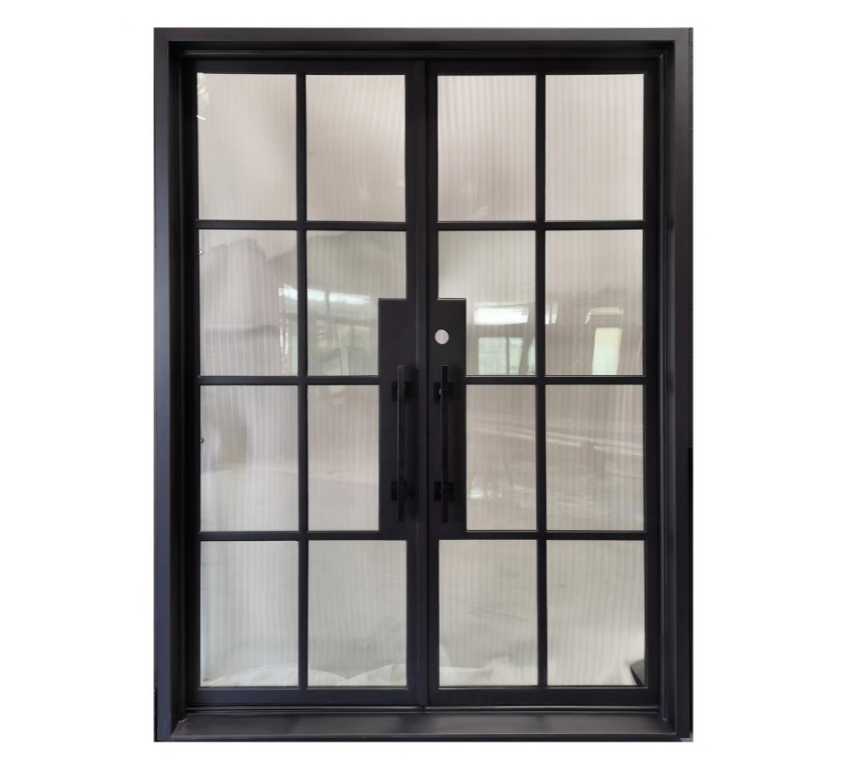
Exterior doors designed for high performance often feature multi point locking systems that lock into several spots at once including jambs, headers, and thresholds. These systems press against long EPDM rubber seals throughout the door frame. The result is something pretty remarkable actually a solid barrier against water getting in while also cutting down on drafts and dampness entering the home. Single point locks just cant compete really, since they only secure one spot. Multi point systems can slash air leaks by around 70 percent according to tests, plus their special seal arrangement stands up better against heavy rains blown sideways by strong winds without affecting how well the door insulates. Proper installation matters a lot though because when done right, these doors save energy similar to improving insulation ratings by half a unit during those brutal winter storms or scorching summer heat waves.
Thermally broken frames work by placing these special non-conductive polyamide barriers right between the inside and outside aluminum parts of the frame. What this does is stop heat from moving through the metal so easily. We're talking about cutting down on conductive heat loss somewhere around 60 percent, which keeps those inner surfaces warm enough to stay above the dew point temperature. That means no more annoying condensation forming on windows, which would otherwise cause problems like mold growth or wood rot over time. Inside these frames there are also steel supports added for strength. These help the whole thing hold up against pretty strong winds, maybe even up to 110 miles per hour in some cases, without compromising how well it insulates. For people living in really cold areas, switching to this kind of window system typically saves about 30% on their yearly heating bills when compared with regular windows that don't have this thermal break feature built in.
When it gets really cold outside, stopping thermal bridging becomes absolutely critical for buildings in those areas. Frames that have been thermally broken already cut down on conductive heat loss by around 60%, making them pretty much standard nowadays. These frames work best when combined with special frost resistant thresholds built from non metal materials. Regular metal thresholds just don't hold up well in freezing conditions they tend to shrink, break apart, or get stuck because of ice buildup. Doors equipped with triple layer weather stripping plus polyurethane foam cores do a much better job keeping air from leaking through during those brutal temperature swings we sometimes see (over 40 degrees Fahrenheit difference isn't uncommon). This helps prevent all sorts of problems caused by condensation inside walls while also saving money on heating bills over time.
Doors in coastal areas need special engineering because they face three big problems at once: super strong hurricane winds, salt air that eats away at materials, and constant sun exposure. Impact rated glass is actually required law in regions where wind borne debris can hit speeds above 110 miles per hour. For frames, builders often go with marine grade aluminum or fiberglass since regular materials just fall apart from salt corrosion. The best doors also use composite materials treated against UV damage so they don't warp or crack when exposed to both humidity and sunlight. Some important upgrades worth mentioning are stainless steel locks that hold up better, special seals that repel water, and polymer thresholds that won't rot even after years of salt spray. All these design choices tackle what causes most damage to houses near the coast in the first place moisture getting inside walls and foundations according to FEMA reports from last year.
Getting third party certification means having someone else check if an exterior door actually stands up to bad weather as claimed. ASTM International has set up some pretty tough tests for doors. They look at things like how much air leaks through (E283), whether water gets inside during heavy rain (E331), and how well the door holds up structurally when winds blow hard (E330). These tests mimic what happens outside in real life situations. Then there's the American Architectural Manufacturers Association stepping in with their own checks on air and water leakage, plus how long doors last when put through the wringer in harsh conditions. When we talk about Performance Grades, think of PG-50 as meaning the door can handle 50 pounds per square foot of wind pressure. That kind of spec matters a lot when storms hit hard. The whole point of independent testing is so builders and homeowners know exactly what they're getting. No guessing games here. Just solid evidence that doors perform as advertised no matter where they end up installed across different climates.
 Hot News
2026-10-19
2026-10-12
2026-10-07
2026-09-25
2026-09-17
2026-09-11

Xiamen SenYi is a professional enterprise specializing in the research, design, production and sales of high-quality iron doors. It is dedicated to providing customized iron door that combine safety, practicality and aesthetic value for various customers.
No. 1043, Yincheng Mingzhu, Tong'an District, Xiamen City, Fujian Province, China
Copyright © 2025 by Xiamen SenYi Ironware Co., Ltd Privacy Policy
 EN
EN