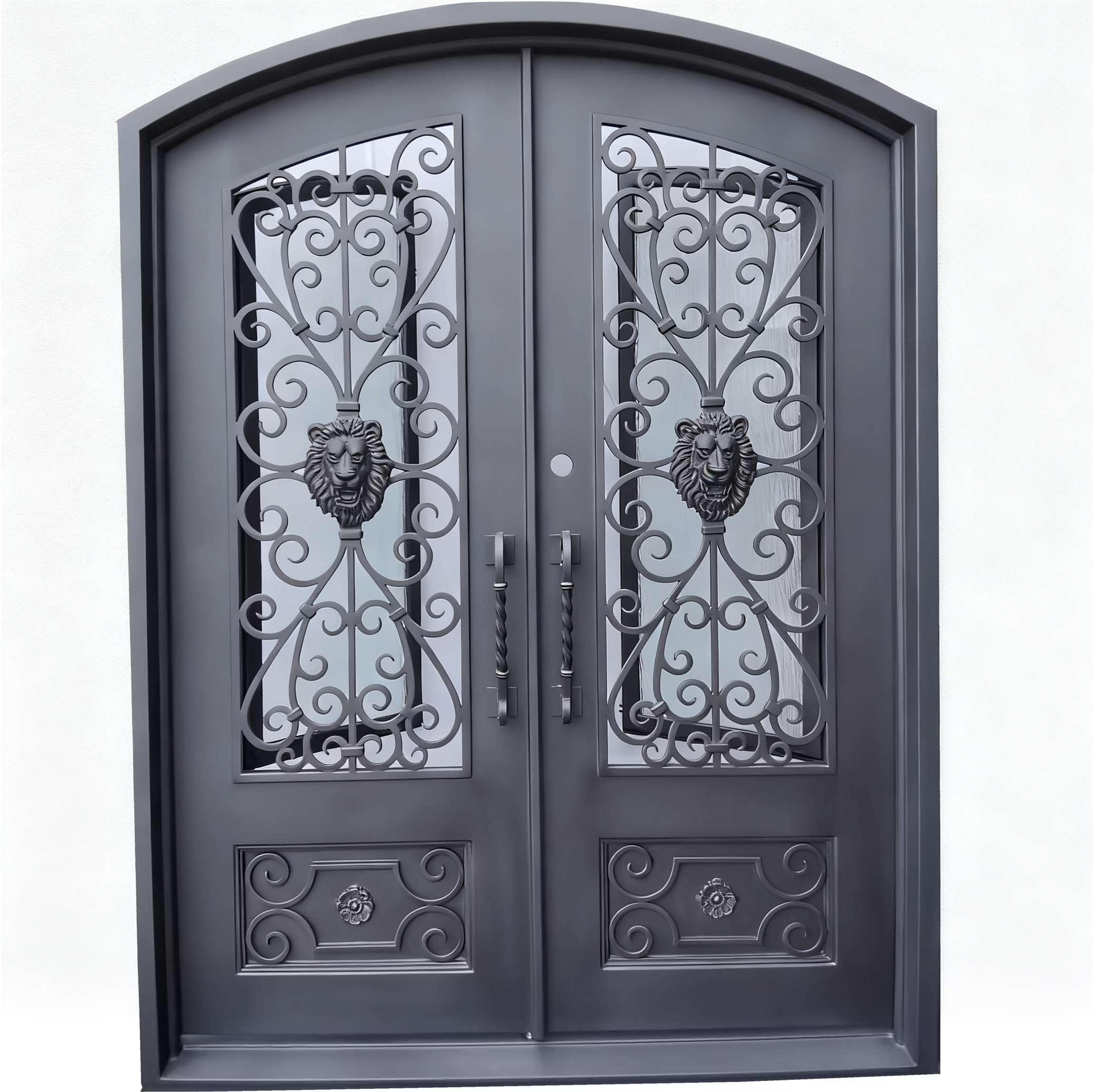
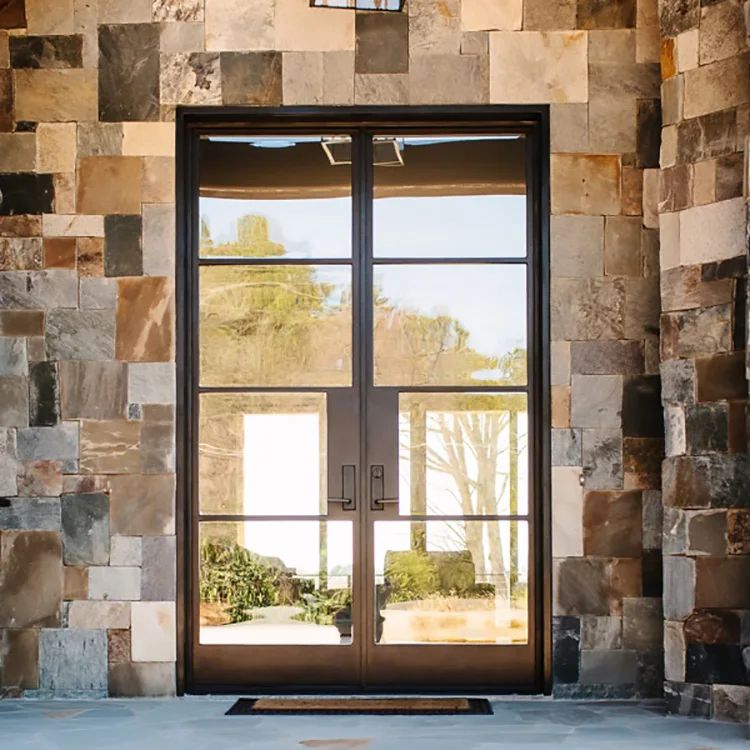
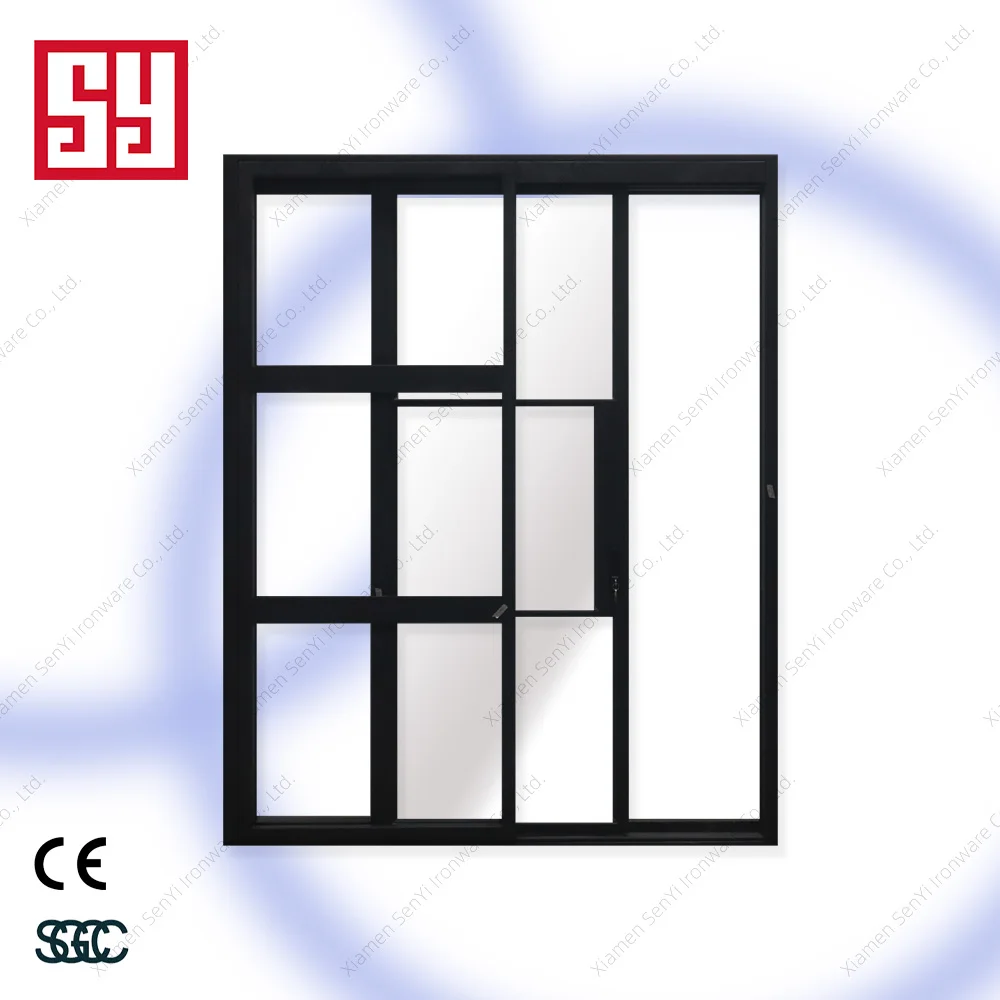
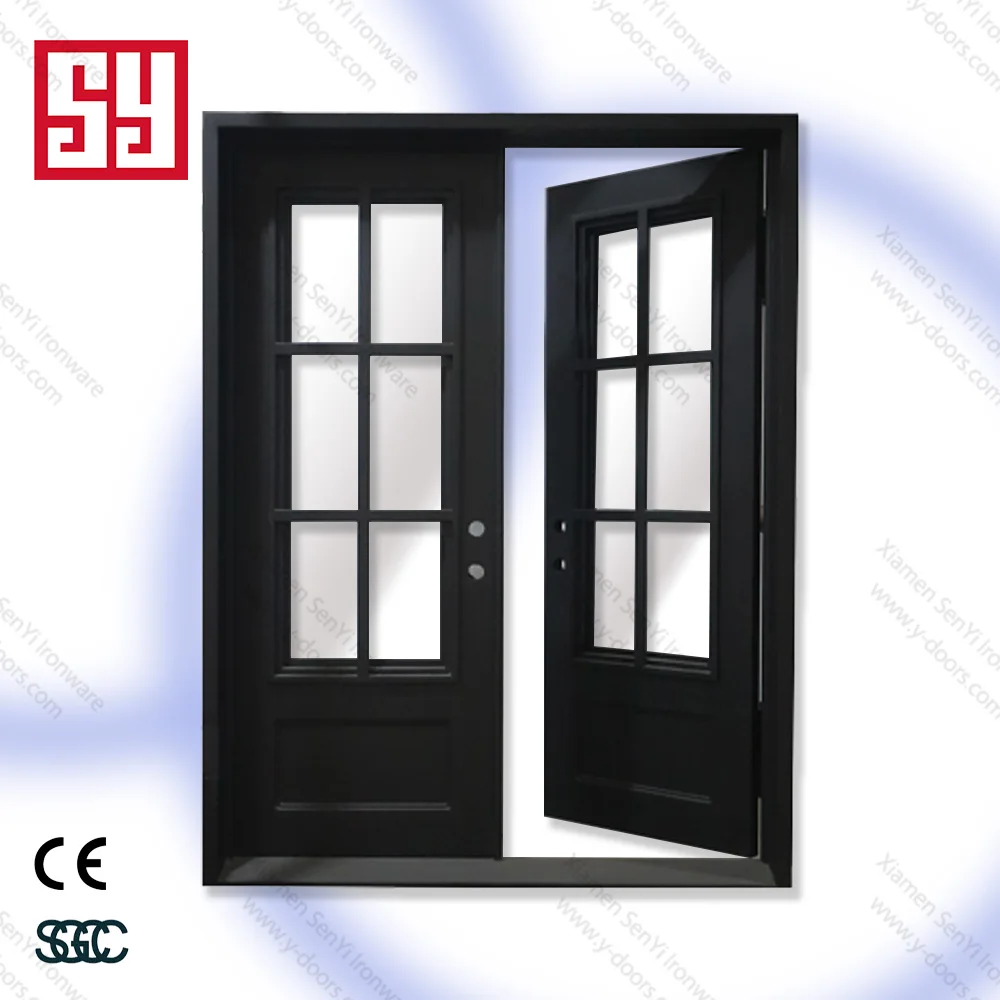
The main entrance to any house needs to look good while keeping intruders out and saving on energy bills. Doors made from solid core material combined with multiple lock points make it much harder for someone to force their way in. At the same time, windows with Low-E coatings along with proper weather stripping help keep drafts at bay and stop heat from escaping through gaps. When it comes to materials, steel and fiberglass perform better than traditional wood when we talk about insulation values. They typically offer ratings between R-5 and R-7 compared to wood's paltry R-2 to R-3 range according to ENERGY STAR stats from last year. This difference translates into real savings on monthly utility costs, potentially cutting expenses by around 15% each year. Plus these modern materials don't warp or expand as much with changing temperatures, so the seals stay tight over time instead of breaking down after a few winters.
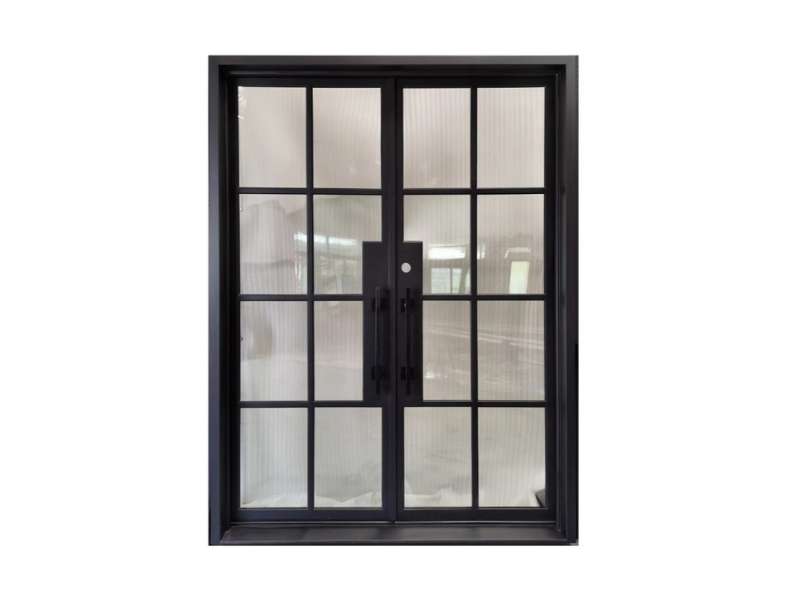
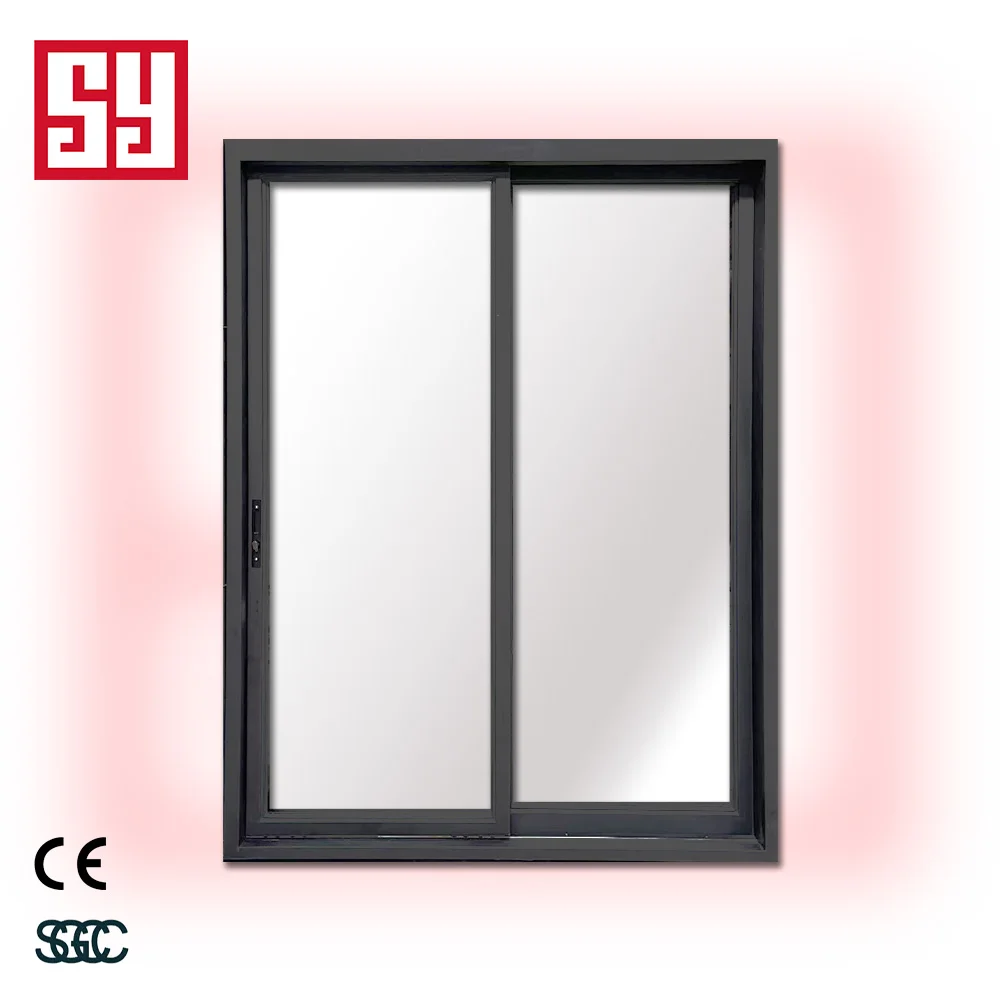
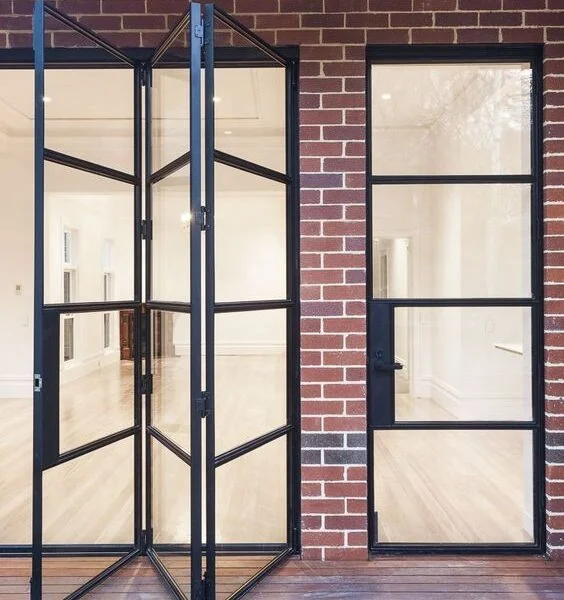
Sliding doors or those classic French style models really make a difference when it comes to secondary entry points. They turn these areas into something much more than just doorways - they become bright spots connecting inside living areas with the outdoors. The big glass panels let in so much natural light that people actually need less electric lighting during the day, maybe around 30% less according to some studies. Retractable screens built right into the door frames help air move through nicely in spring and fall weather. And those flat thresholds at ground level? They make getting out onto patios or decks super easy without tripping over anything. When choosing materials, always go for tempered glass first because it's safer. If there are concerns about sunlight fading furniture or wanting extra protection against break-ins, then laminated glass would be worth considering instead.
Storm doors create an extra layer between outside elements and our homes, especially helpful in places with harsh weather conditions. They help cut down on cold air coming in and keep main doors safe from rain getting blown against them plus all sorts of stuff flying around during storms. Screen doors let fresh air circulate through the house even when it's really muggy outside, but still stop bugs and other pests from sneaking inside. Dutch doors are pretty cool because they give homeowners options. When someone opens just the top part, fresh breeze comes in without having to worry about pets running out or kids wandering off since the bottom stays shut. For areas where hurricanes happen regularly, reinforced aluminum frames for both storm and screen doors can handle serious winds, sometimes up to around 100-110 miles per hour depending on how they're built. These doors work well in coastal zones if installed according to what the manufacturers recommend.
Wooden doors bring that classic look and feel that just cant be beat, particularly in older houses or those with traditional architecture. But here's the catch: most wood doors only rate around R-2 to R-3 for insulation, which is pretty low by today's building standards. These doors need regular attention throughout the seasons too. Homeowners should seal them, maybe stain or paint as needed, otherwise the wood will start to warp, crack, or even rot when exposed to humidity or strong sunlight. And let's face it, if someone doesn't stay on top of this maintenance routine, water tends to sneak in eventually. This moisture problem not only weakens the door itself but also makes the whole house less efficient at keeping heat inside during cold months.
Steel and fiberglass doors really stand out when it comes to keeping heat inside (they have R-values between 5 and 7), last forever, and basically take care of themselves. Fiberglass models look just like real wood with those nice grain patterns, but won't rot or get eaten by bugs. Steel options are tough as nails against dents and impacts too, probably around four times stronger than regular wood according to some tests I've seen from industry groups. What both materials share is those factory applied coatings and insulation cores that keep their energy efficiency ratings steady for many years. If installed correctly and given the occasional check on hinges and locks, these doors can easily last twenty years or more. That makes them pretty much the best bang for buck when thinking about saving money on heating bills and standing up to whatever weather throws our way.
Labels from the National Fenestration Rating Council give us standard performance numbers checked by independent experts something every smart shopper needs when making choices about their home. Look for doors with a U Factor below 0.30 since this means they block heat really well and can save around 15 to 20 percent on yearly heating and cooling costs compared to regular models. The Solar Heat Gain Coefficient matters too depending where you live. People in warm sunny areas should go for SHGC ratings under 0.25 to keep out summer heat, whereas folks in colder northern climates might want something above 0.40 so their homes collect more free warmth from the sun during winter months. Combine all this with double or even triple pane glass that has those special Low E coatings reflecting infrared light back outside, and indoor temperatures stay comfortable throughout the seasons. Putting all these elements together makes sense both financially and environmentally, potentially cutting annual energy bills between $150 and $300 while also reducing carbon footprints at the same time.
Real security starts with strengthening the structure itself, not just installing better locks. Doors framed with steel instead of regular wood stand up much better against someone trying to kick them in. These steel frames need to be bolted firmly into the walls using those big 4 inch screws that go right into the wooden supports inside the walls. Then there are these multi point lock systems that activate several strong steel bolts at once across different parts of the door frame. They spread out the force so nobody can just push through even if they try really hard. About 400 pounds of pressure won't budge them. For doors with glass panels, look for glass that has passed special tests for impacts. The good stuff is laminated and certified by ANSI/AWG standards to handle multiple hits and even survive flying debris from category 5 hurricanes. Putting all these together creates what we call a layered approach to security. Most experts say it cuts down on break ins by around 85 percent without making escape impossible during emergencies.
 Hot News
2026-10-19
2026-10-12
2026-10-07
2026-09-25
2026-09-17
2026-09-11

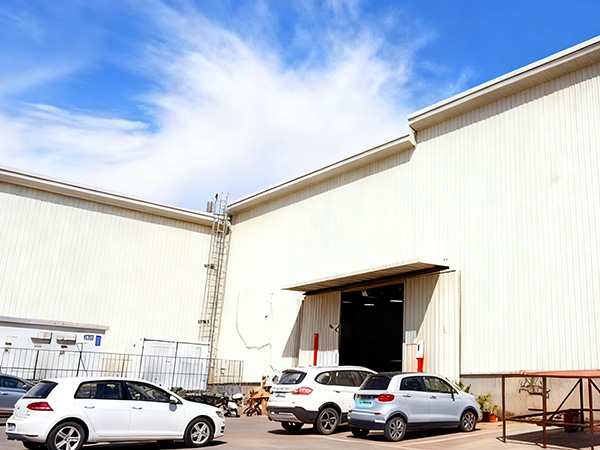
Xiamen SenYi is a professional enterprise specializing in the research, design, production and sales of high-quality iron doors. It is dedicated to providing customized iron door that combine safety, practicality and aesthetic value for various customers.
No. 1043, Yincheng Mingzhu, Tong'an District, Xiamen City, Fujian Province, China
Copyright © 2025 by Xiamen SenYi Ironware Co., Ltd Privacy Policy
 EN
EN