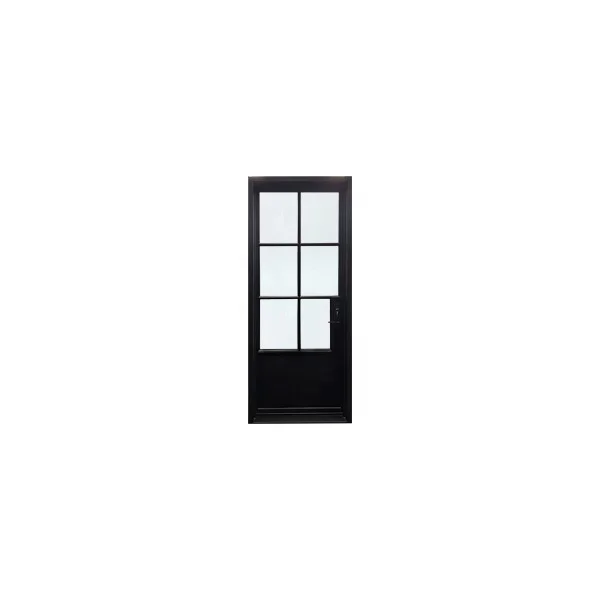
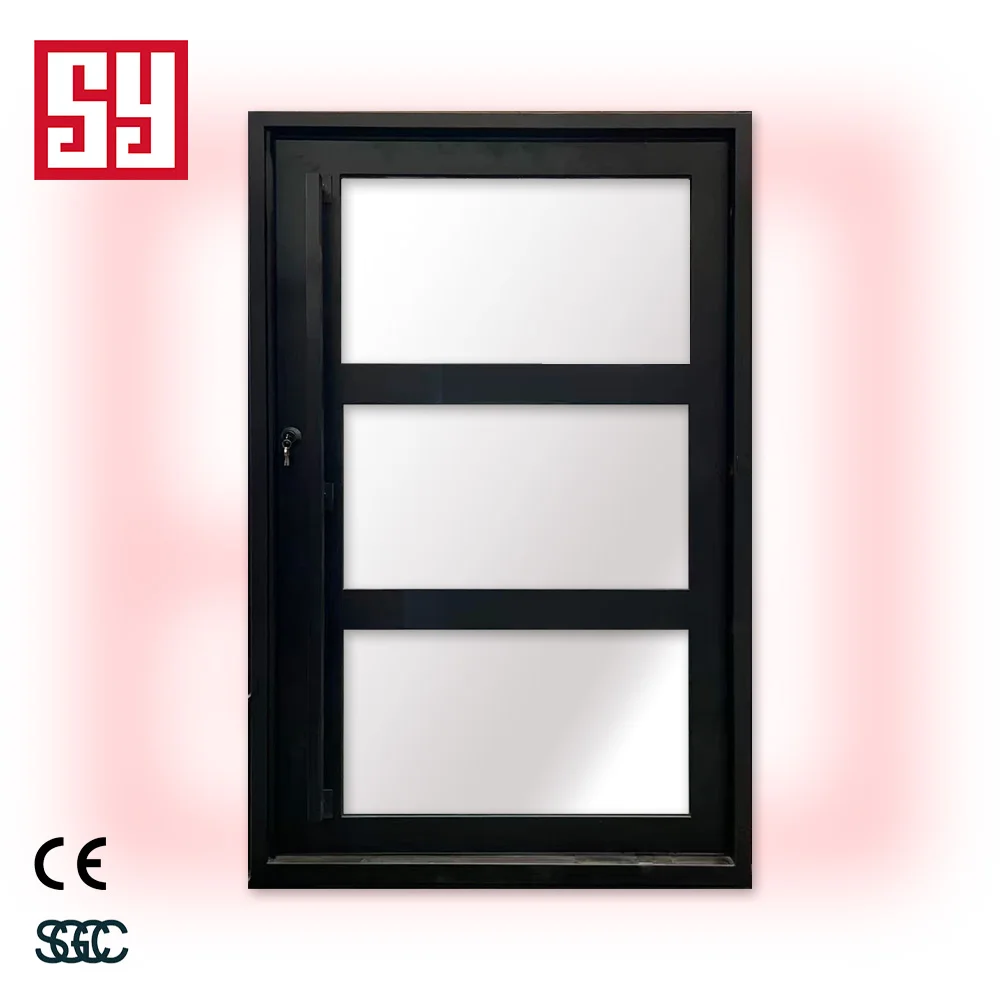
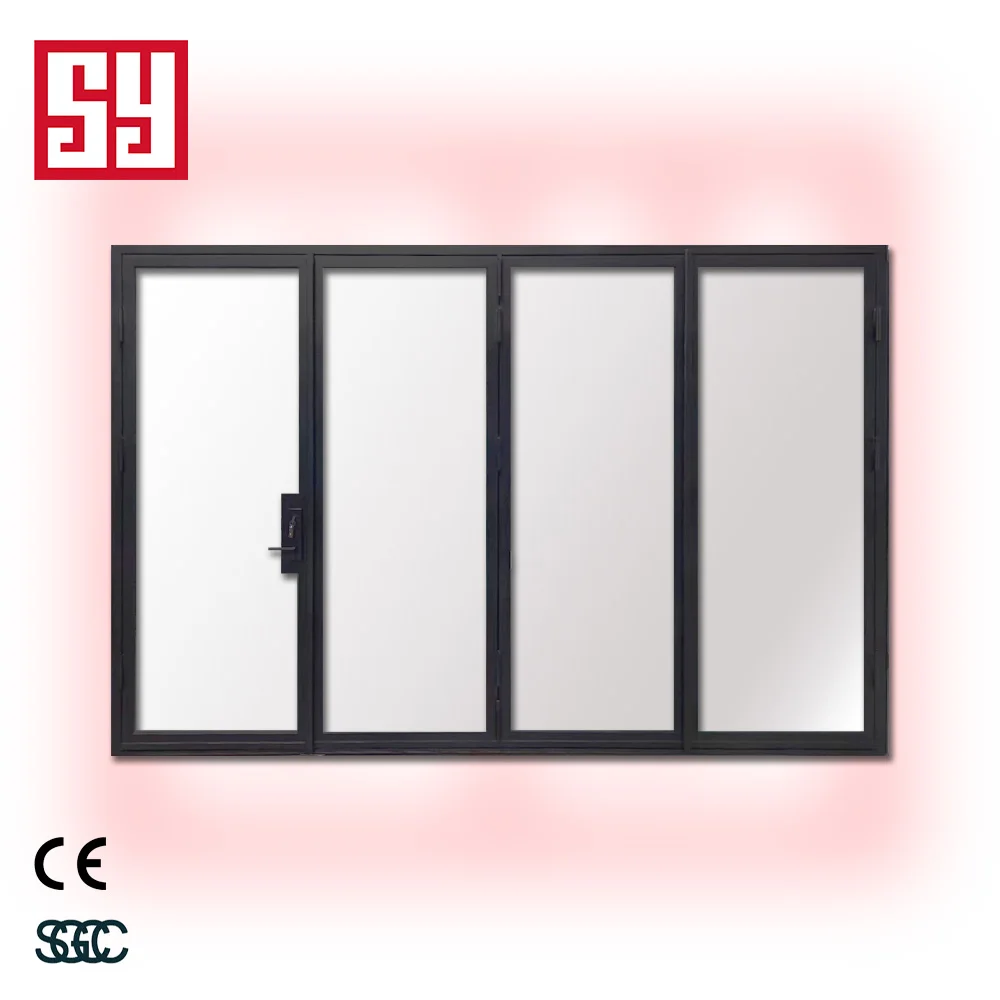
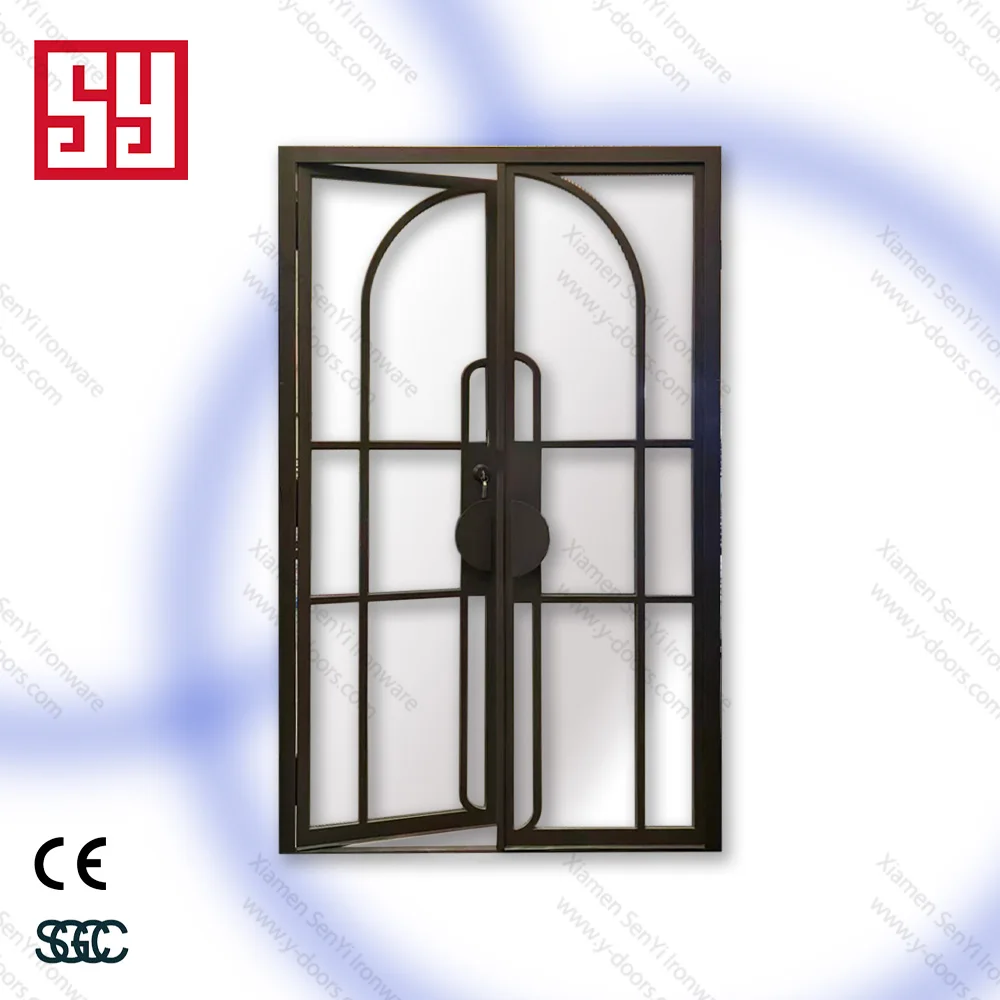
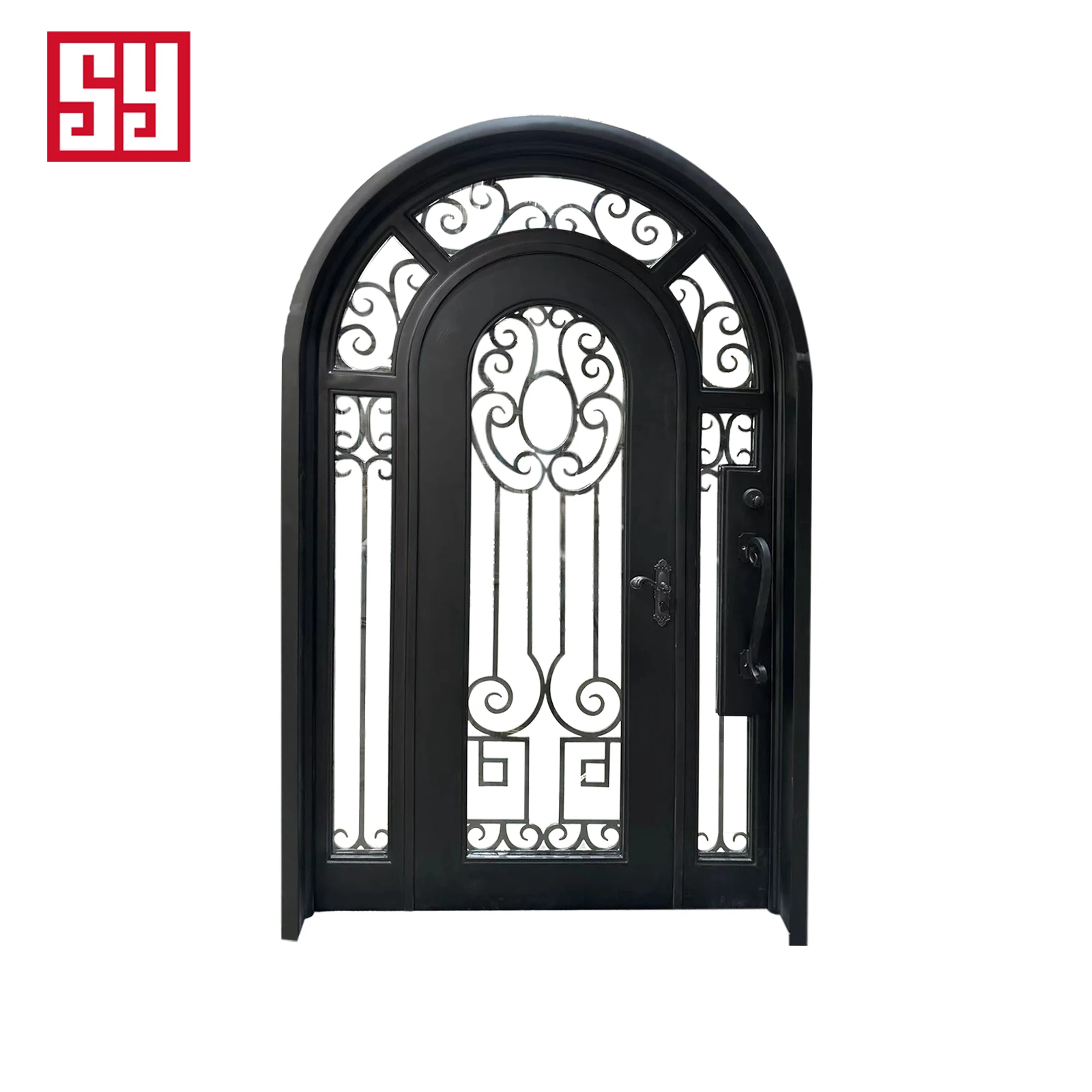
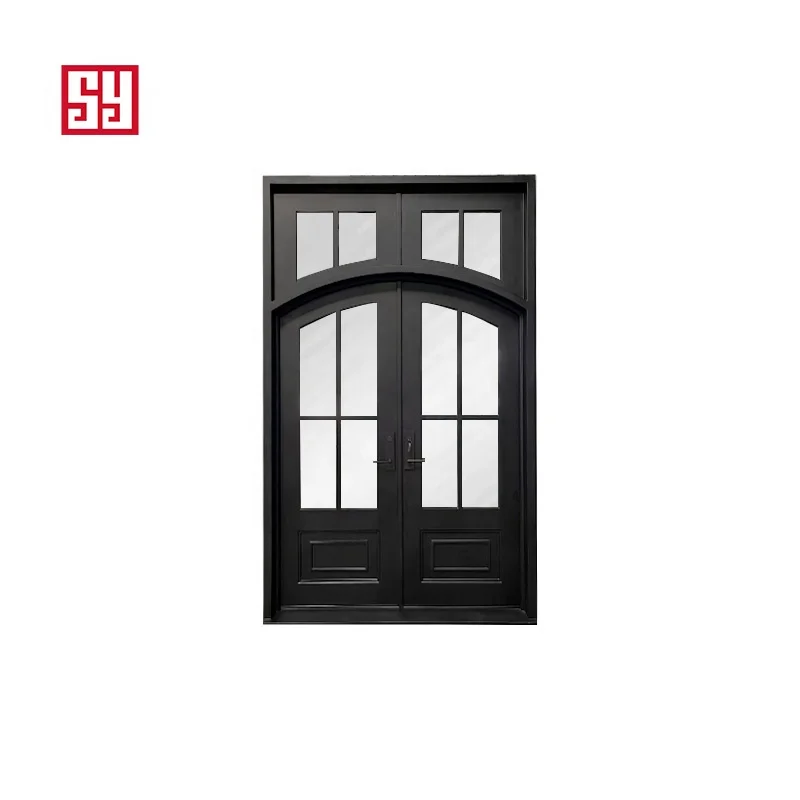
The building envelope faces constant environmental challenges. Strong winds create pressure differences that push water through tiny cracks and openings. When heavy snow accumulates on structures, it adds significant weight to roofs and walls. Meanwhile, repeated freezing and thawing causes materials to expand and contract over time, leading to wear and tear. Temperature fluctuations ranging from below zero to well over 100 degrees Fahrenheit put serious strain on materials, potentially causing warping issues, failed seals, and breakdown of insulation properties. Without proper protection against these elements, buildings lose their energy efficiency, indoor air becomes contaminated with outside pollutants, and the overall lifespan of wall systems gets dramatically shortened.
Exterior doors do double duty as barriers against the outside world while also helping control temperature inside buildings. When it comes to construction details, doors with multi point locks and those rubbery compression gaskets around the edges form pretty solid seals against rain getting blown in and keeping drafts out. From a thermal perspective, doors built with insulated cores and frames that have thermal breaks can cut down on heat loss by about 60 percent when compared to regular uninsulated models. This makes a real difference in maintaining comfortable indoor temperatures throughout the year. Plus, these features help stop moisture buildup between walls which would otherwise lead to mold problems and wood rot over time.
Wooden doors definitely have that timeless look many people love, but they come with problems. They soak up moisture pretty easily which can cause all sorts of issues over time like swelling, peeling finishes, and eventually rot if not properly maintained regularly. Steel doors don't swell as much, but they have their own issues too. When there are scratches or cuts in the surface, especially areas where the protective coating has worn off, rust starts to form pretty quickly. Fiberglass doors are different though. Made from a special mix of materials that includes polymers, these doors just don't let water in the same way other materials do. According to tests done by organizations like NFRC and ASTM E331, fiberglass only changes size by about half a percent when exposed to water for long periods. That's way better than wood doors which typically expand between 3 to 5 percent. Plus, unlike steel, fiberglass won't corrode through electrochemical reactions even when damaged.
Modern high performance doors now come with corrosion resistant features built right into those spots where problems usually start. The stainless steel threshold stops rust from forming where the door meets the ground. For the core part of the door, galvanized steel gets an extra layer of protection through self healing zinc coating that guards against everyday scratches. Premium fiberglass models go even further with their special construction combining aluminum clad surfaces on the outside with tough polymer materials underneath. This combination works really well against salty coastal air that would normally eat away at regular doors. All these improvements mean doors last about 15 years longer when installed near the ocean, and homeowners find themselves needing to maintain them roughly 40 percent less often than before. And there's another bonus too: thermal break framing helps prevent moisture buildup inside the door itself, so we're talking about better insulation properties while also fighting off corrosion all in one smart design package.
Swinging doors offer better protection from the elements thanks to their multi-point weatherstripping system. These doors usually have magnetic strips, vinyl bulbs, or those rubbery thermoplastic materials that all work together at once along the top, sides, and where the door latches shut. The result is basically a complete seal around the entire door frame, which makes them great for areas that get hit hard by wind storms or heavy rain. Sliding doors take a different approach though. They use gaskets made from EPDM or silicone that get compressed vertically against fixed tracks as the door moves. While these do a decent job sealing at the bottom of the door, they really depend on everything lining up just right. When there's even a slight misalignment, gaps tend to form between the panels where water and drafts can sneak in. Some actual field tests show that when installed correctly, those multi-point systems cut down on air leaks by about 40% compared to regular sliding doors.
Per ASHRAE 119-2022 validation protocols, modern exterior doors now achieve industry-leading airtightness—cutting average air infiltration from 0.35 to 0.05 cubic feet per minute per square foot (cfm/ft²), an 86% improvement. This leap stems from three integrated innovations:
Stainless steel reinforcement in threshold and jamb components ensures long-term integrity—supporting verified weatherproof performance beyond 20 years in accelerated aging tests.
High quality doors still won't perform well if they aren't properly aligned. When there are gaps along the jambs, these become direct pathways for heat transfer from outside to inside spaces. They also let around vapor barriers, so moist air gets trapped within walls where it starts to condense. The result? Wood components swell up over time, molds begin growing everywhere, and eventually the whole structure becomes compromised. Research indicates that these kinds of gaps can actually raise yearly heating and cooling costs somewhere around 15 percent. And we're not talking small either - doors exposed to constant dampness tend to last only about half as long as they should according to industry standards.
Precision installation is non-negotiable for lasting weather defense:
 Hot News
2026-10-19
2026-10-12
2026-10-07
2026-09-25
2026-09-17
2026-09-11

Xiamen SenYi is a professional enterprise specializing in the research, design, production and sales of high-quality iron doors. It is dedicated to providing customized iron door that combine safety, practicality and aesthetic value for various customers.
No. 1043, Yincheng Mingzhu, Tong'an District, Xiamen City, Fujian Province, China
Copyright © 2025 by Xiamen SenYi Ironware Co., Ltd Privacy Policy
 EN
EN