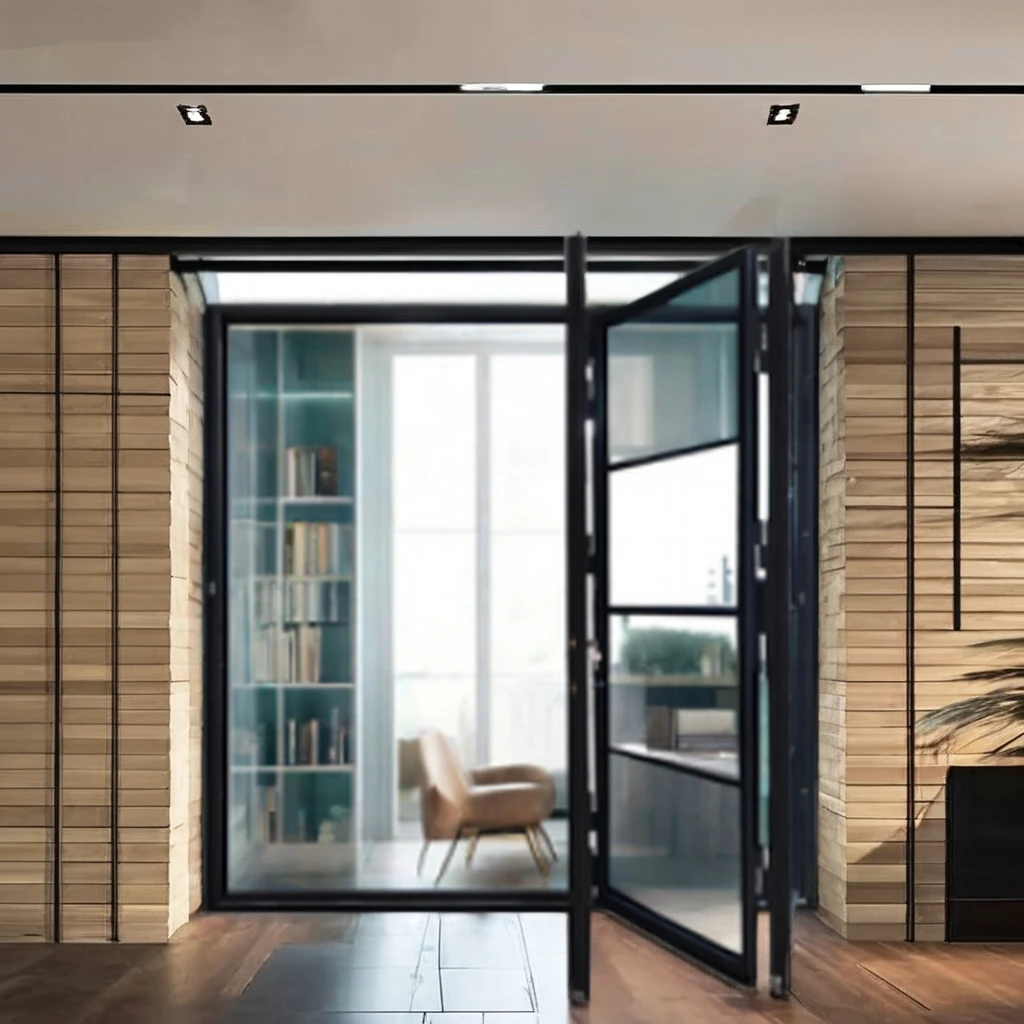
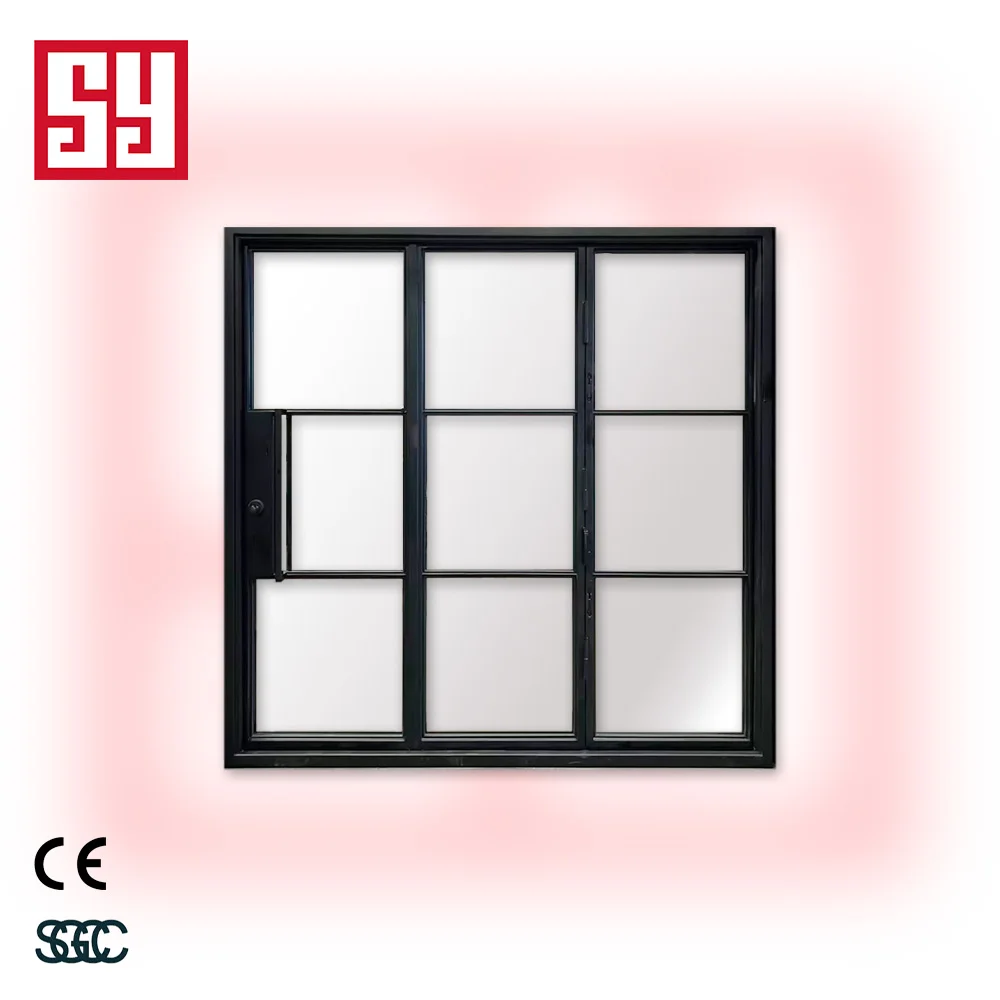
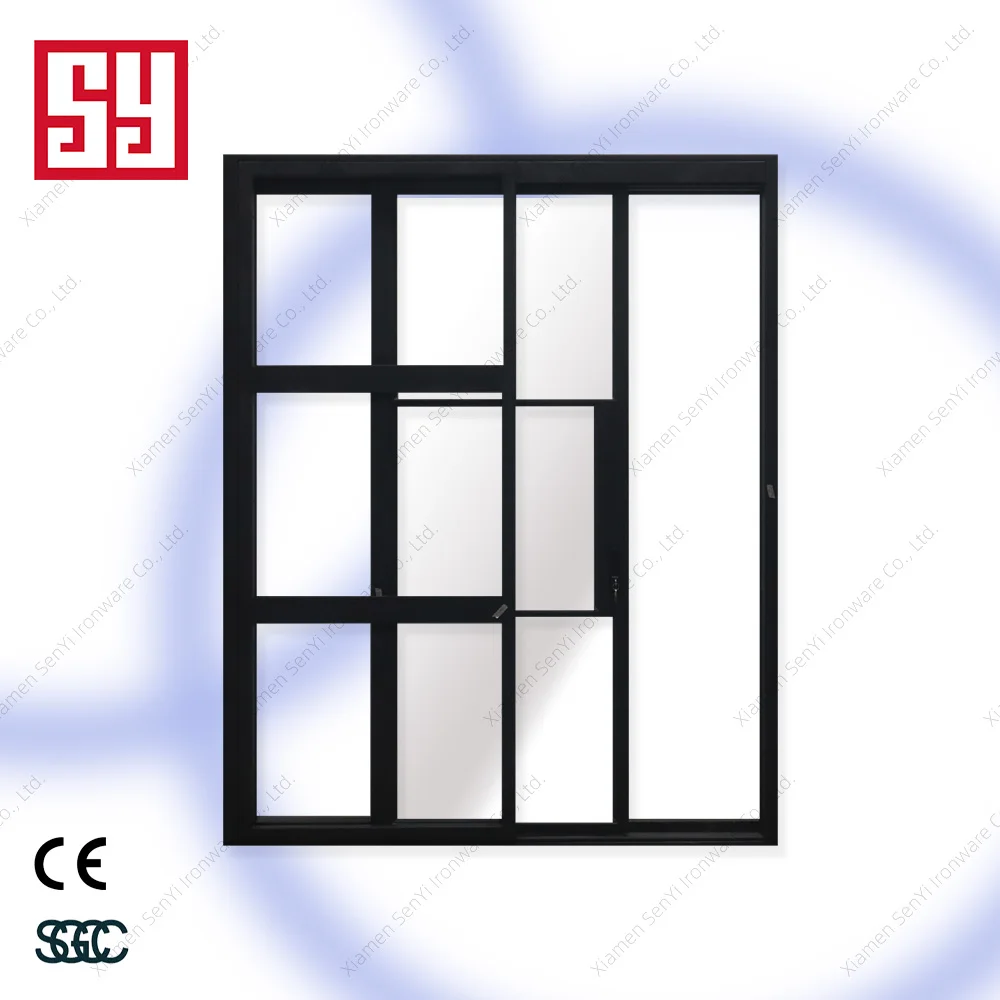
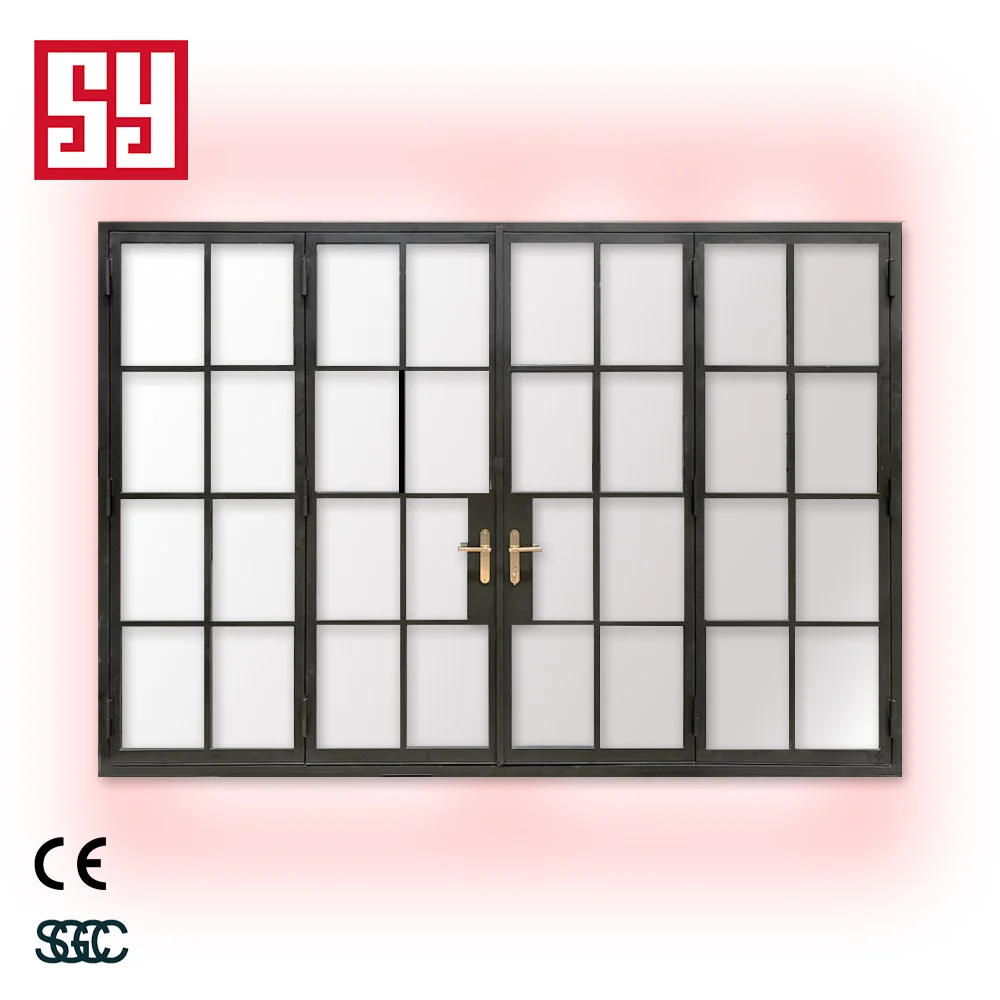
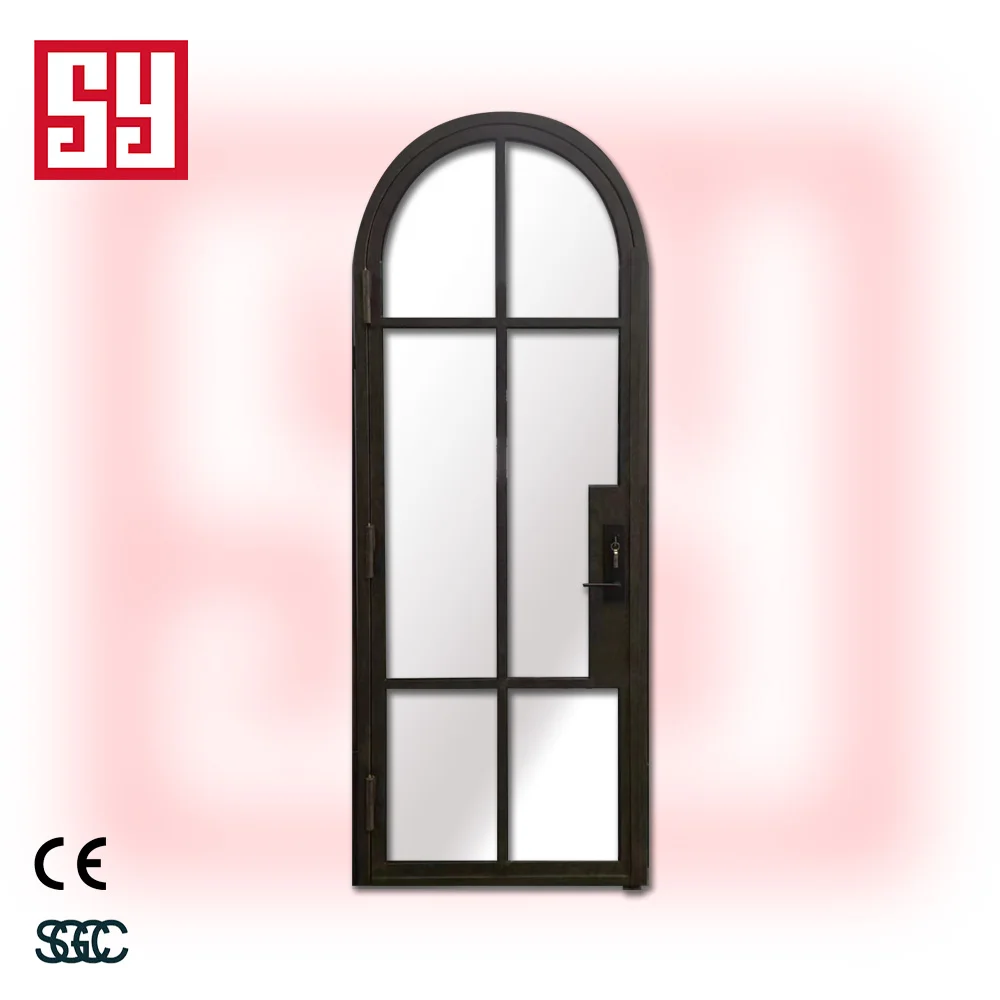
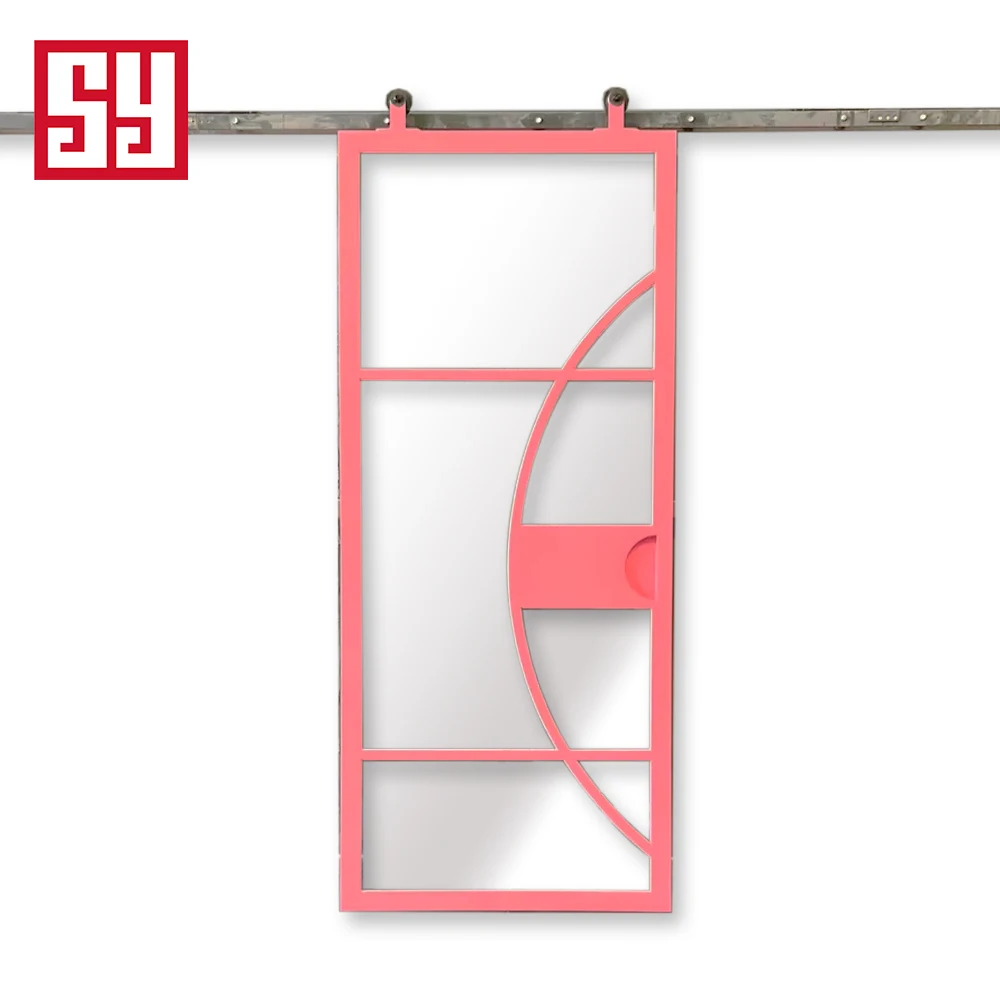
Bifold doors work with a kind of concertina folding system where the panels move along the wall instead of swinging out like regular doors do. Traditional hinged doors need about 4 square feet of space just for their swing arc, but bifold doors eliminate this problem entirely. When we compare them to sliding doors that only open halfway at best, bifold systems give full access across the entire width without needing any extra clearance area around them. The fact that they don't swing at all makes these doors great choices for those tricky spots in homes like narrow hallways, awkward corners, or small rooms where space is really tight. Plus, when closed, the doors fold right up against the wall frame so they take up almost no floor space whatsoever. This feature alone can make all the difference in storage areas such as walk-in closets, pantry spaces, or even between different sections of a home.
Bifold doors do cost around 15 to 20 percent more upfront compared to regular hinged doors, but they make better use of limited space. For buildings in cities or older commercial properties being renovated, these doors can free up about 2.5 square feet per unit that would otherwise go unused. The saved space adds up over years, making room layouts work better and allowing for extra storage areas or even additional rental space. Apartments and shared office spaces see particular benefits from this. While the price tag might seem steep at first glance, most property owners find that the extra money spent gets paid back through all that extra usable floor space, which makes a real difference in tight spaces where every inch counts.
Storage spaces that are less than 1.2 meters deep present real problems for regular swinging doors since they need so much room to open properly. These doors take up around 0.9 square meters just for clearance, which is wasted space nobody wants. Bifold doors solve this issue completely because they fold right against the wall instead of needing space to swing out. When installed, these doors basically disappear into the jamb area, giving back all that precious floor space. Shallow storage spots become totally usable again once we install them. Think about those awkward spaces underneath stairs or those narrow coat closets that barely fit anything. One customer had an 80cm deep utility closet that was almost useless until we put in bifold doors. Suddenly the whole area became available for storing stuff without having to push things aside every time someone needed access.
According to the National Kitchen & Bath Association's 2023 report on space optimization, they looked at around 120 kitchen and bath renovations and noticed something interesting. When homeowners switched from regular hinged or sliding doors to those fancy bifold systems, they ended up with about 42% more storage space overall. This made a big difference especially in places people use all the time, think laundry rooms and those little butler's pantries between the kitchen and dining room. The thing about those bifold doors? They fold completely flat against the wall so nobody has to worry about reaching past door frames to get stuff out of deep corners, which just doesn't happen with normal swinging or sliding doors. For bigger operations too, like commercial kitchens that handle more than 50 customers each day, workers actually moved things around 28% faster after installing these systems according to some tests they ran there.
When installing bifold doors in spaces smaller than 1.5 meters wide, there are three main measurements that need special attention. The track should actually be wider than the folded panels themselves by around 15 to 20 millimeters. This extra space prevents the door from getting stuck when it's opened and closed, plus gives room for wood to expand naturally over time. For the header part at the top, builders typically reinforce it with either engineered wood products or some kind of light gauge steel. Without this reinforcement, multiple panels can put too much weight on the frame and eventually lead to sagging issues. And let's not forget about the floor threshold. Getting this right is probably the most important aspect. The surface needs to be level within about 2 millimeters up or down. Even tiny dips or bumps here will throw off how all those connected door sections line up properly once installed.
When doing the rough-in work, always run a laser level across all surfaces first before bolting anything down permanently. For older buildings built before the 1940s, we typically need to reinforce those original header beams either by adding sister joists alongside them or installing steel lintels for extra support. Once everything's installed, there are five key things to check operationally. First, test how smoothly the panel opens and closes while actually carrying weight. Then look at whether the middle section stays stable during movement. Measure the gap between the floor and bottom edge of the door (that's the threshold clearance). Check if the rollers move freely without binding, and finally ensure the seals compress properly when closed. If any of these tests fail, chances are good there's some sort of tolerance problem that needs fixing right away. Remember, even small gaps matter a lot when working with tight clearances.
Bifold doors really open things up in tight spaces because they don't take up floor room when they're open, giving back around 10 to 15 percent of precious square footage in smaller areas. When closed, those panels stack together so light can pour through and we see right across the room, making cramped interiors feel bigger than they actually are. In city apartments or tiny studio flats, going for thin frame options (less than two inches thick) along with tall glass panels makes all the difference for keeping that open feeling throughout the space. Going neutral with colors like matte black or brushed nickel helps everything blend better visually. And let's not forget about safety - hidden track systems keep floors clear of obstacles and make moving between rooms feel totally smooth. All these little touches work together to trick our brains into thinking the space is larger, which matters a lot in places under 100 square feet where every inch counts.
 Hot News
2026-10-19
2026-10-12
2026-10-07
2026-09-25
2026-09-17
2026-09-11

Xiamen SenYi is a professional enterprise specializing in the research, design, production and sales of high-quality iron doors. It is dedicated to providing customized iron door that combine safety, practicality and aesthetic value for various customers.
No. 1043, Yincheng Mingzhu, Tong'an District, Xiamen City, Fujian Province, China
Copyright © 2025 by Xiamen SenYi Ironware Co., Ltd Privacy Policy
 EN
EN