Understanding the Type of French Door You Have
Before you even think about how to open and close your french door properly, you need to know what kind you are dealing with. This might sound obvious, but a lot of people do not realize that different french doors work in different ways. The method you use matters because forcing a door that is designed to operate a certain way can cause damage over time. So take a moment to look at your door and figure out what you have.
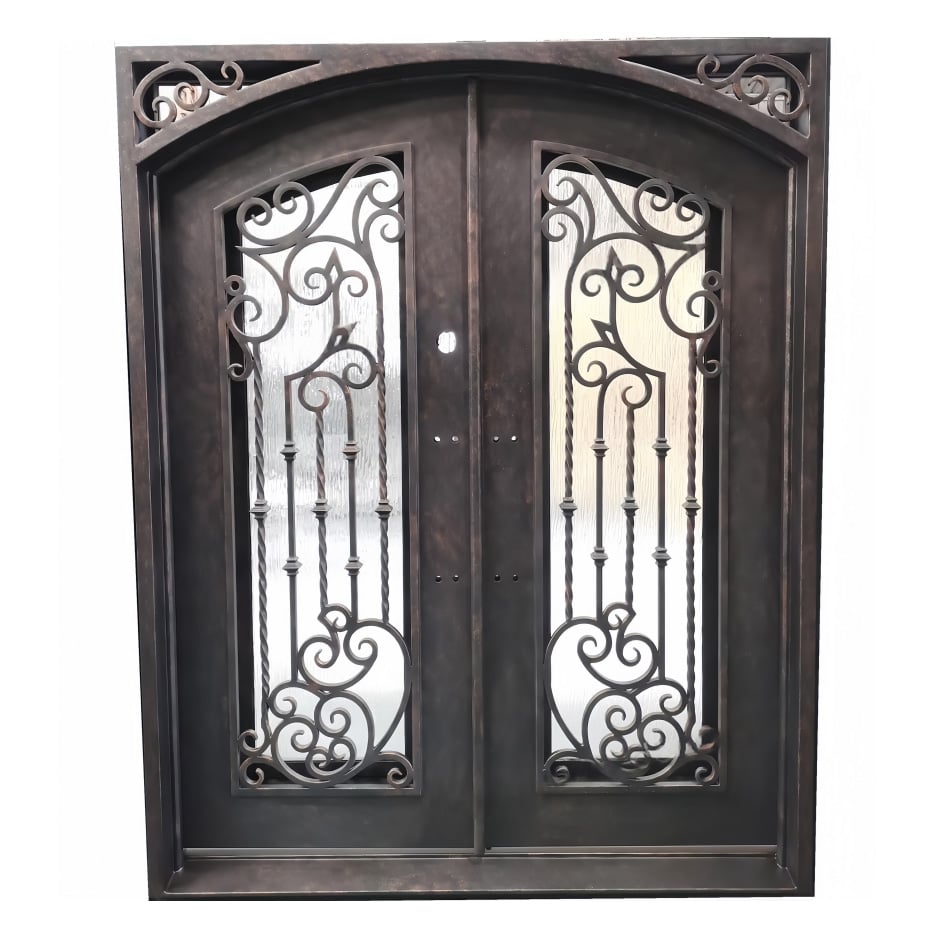
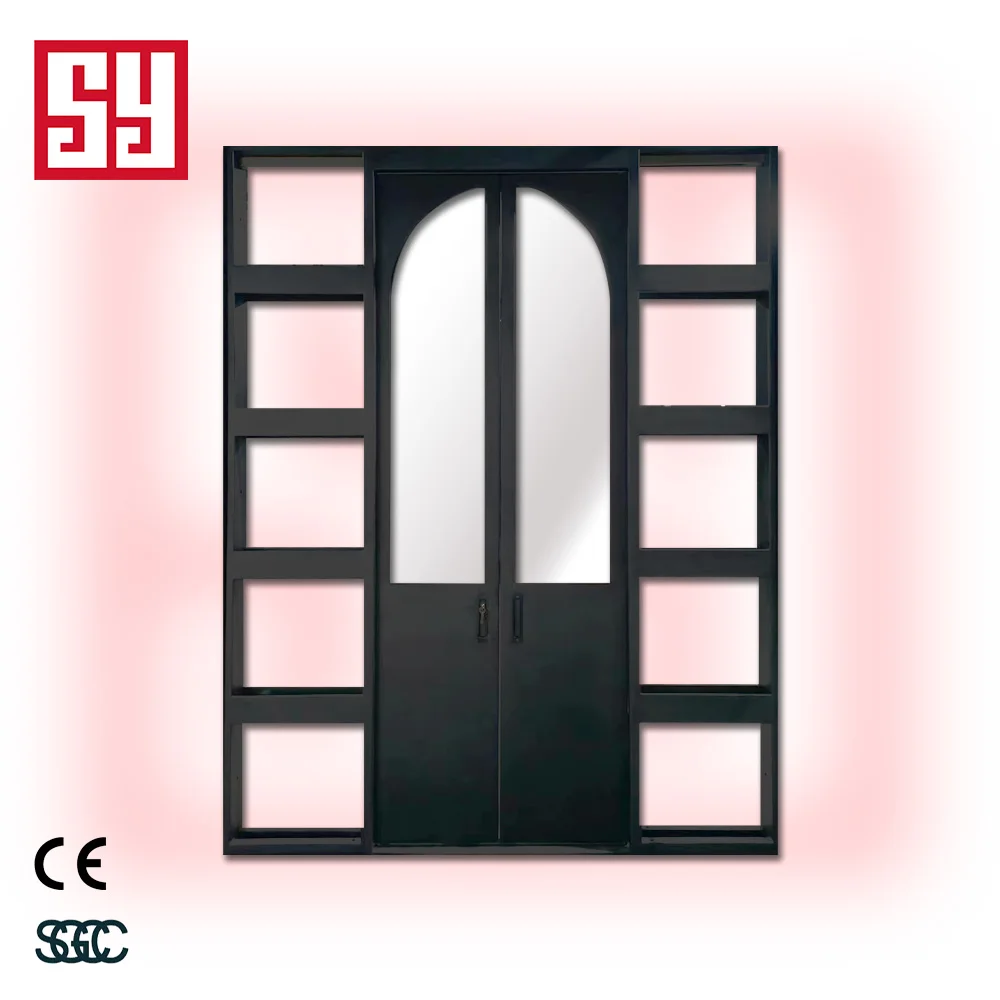
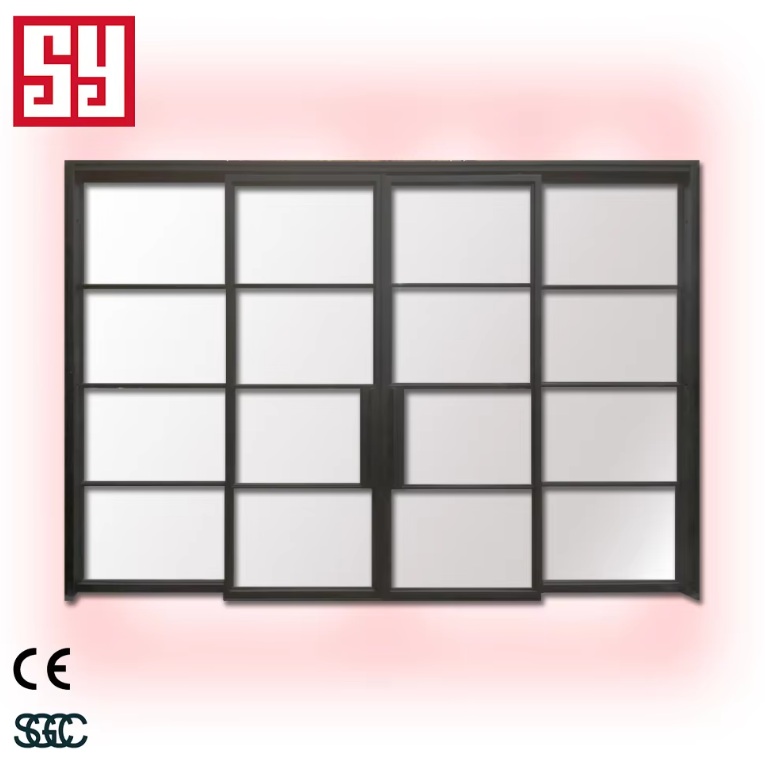
The most common type is the swinging french door. These are hinged on one side and swing open like a standard door. They can swing inward into the room or outward to the outside, depending on how they were installed. With a pair of french doors, you usually have one door that is active, meaning it opens and closes regularly, and one that is passive, meaning it stays in place most of the time but can be opened when you need a larger opening. Some passive doors have what are called flush bolts, which are little bolts at the top and bottom that secure the door in place. When you want to open the passive door, you have to release those bolts first.
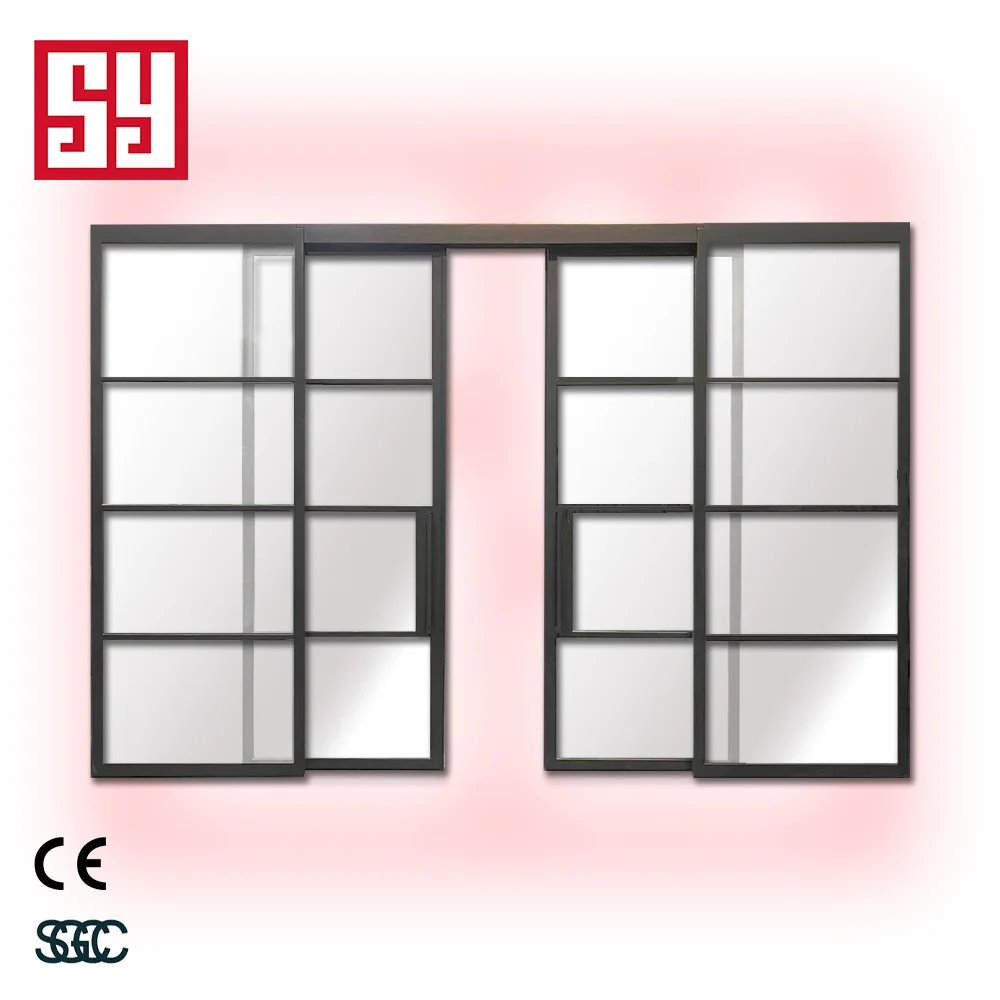
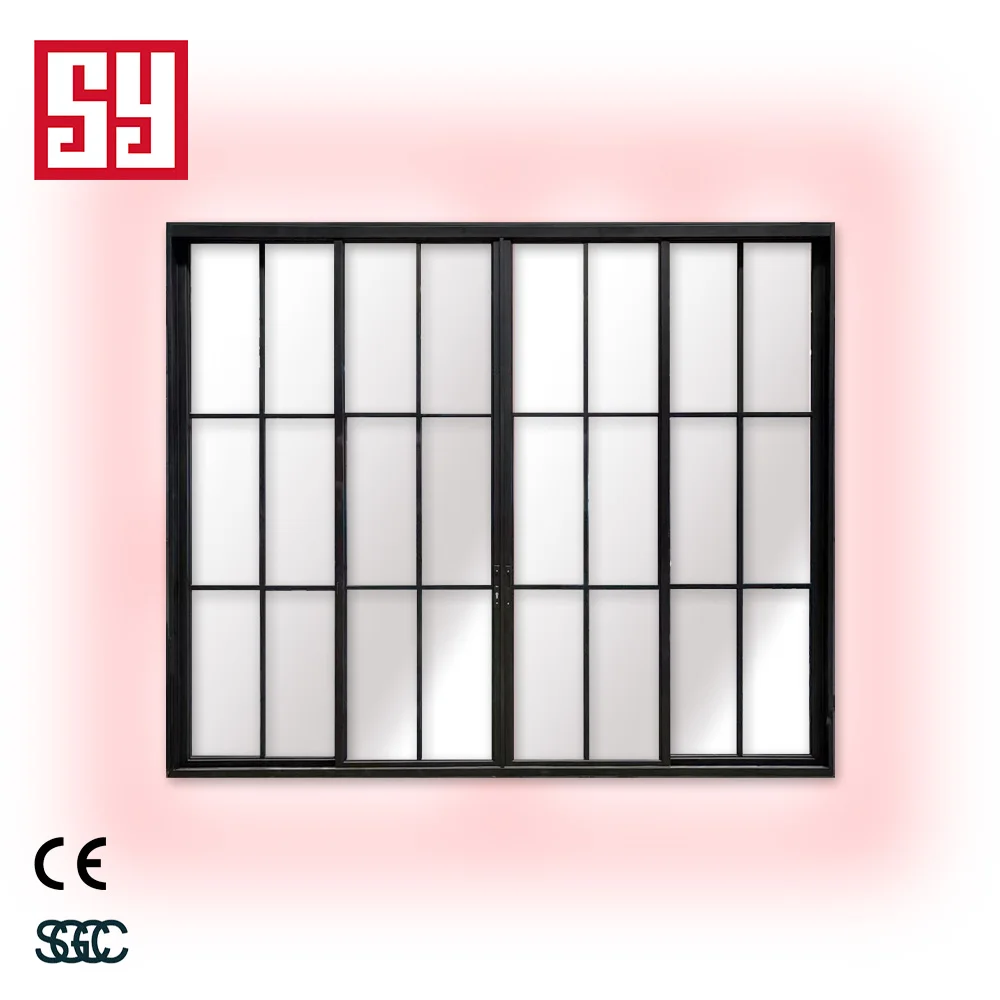
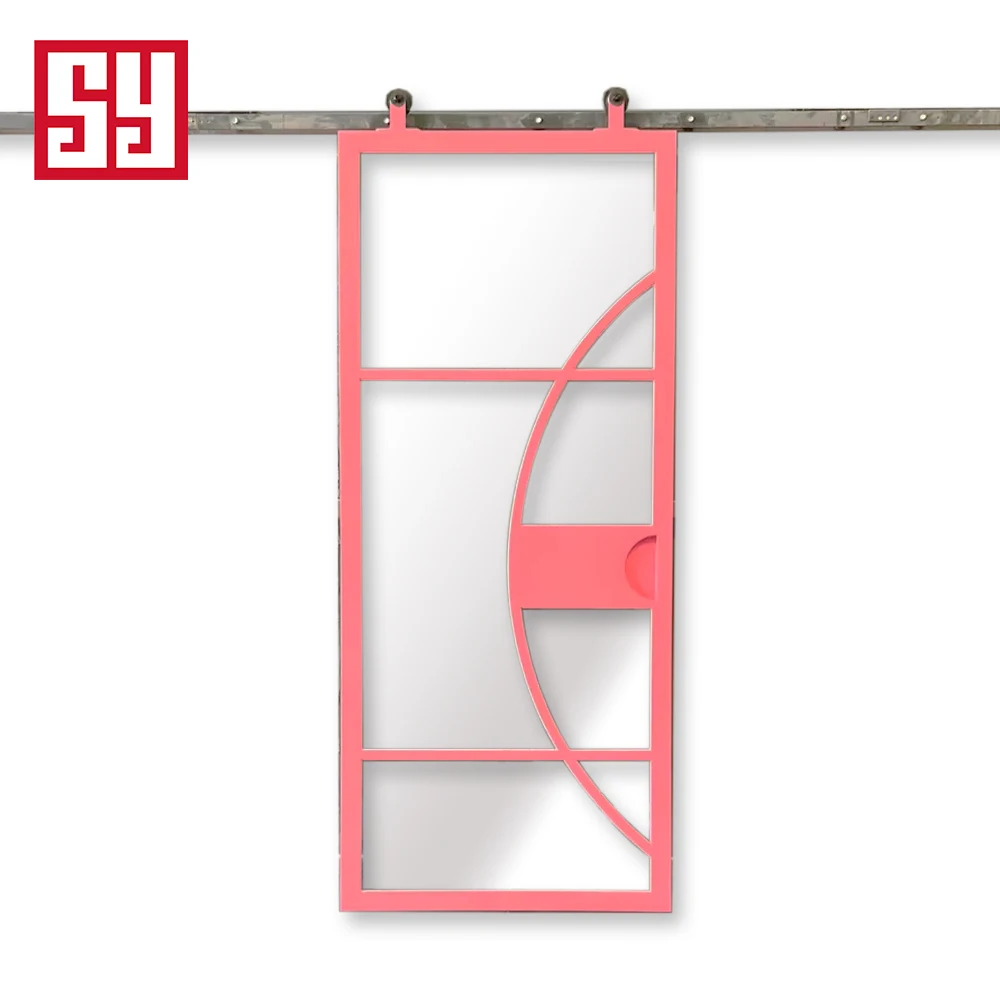
The other common type is the sliding french door. These do not swing at all. Instead, they slide along a track, usually with one door that moves and one that stays fixed. Sliding french doors are great for spaces where you do not have room for a door to swing open. They operate differently from swinging doors, so the method for opening and closing them is also different. Knowing which type you have is the first step. If you are not sure, take a look at the hinges. If you see hinges on the side, it is a swinging door. If you see a track at the top and bottom, it is a sliding door. Once you know what you are working with, you can use the right technique and keep your door in good shape for years.
How to Open and Close Swinging French Doors Correctly
Swinging french doors are elegant and classic, but they do require a little attention to how you use them. One of the most common mistakes I see people make is pulling or pushing on the door without fully releasing the hardware first. If you have a pair of french doors and you try to open the passive door without releasing the flush bolts, you are putting stress on those bolts and on the door frame. Over time, that can cause misalignment or damage.
So here is the right way to do it. If you only need to open the active door, the one you use most of the time, just turn the handle and push or pull gently. There is no need to force it. If the door feels stuck, check to see if something is blocking it. A rug, a piece of furniture, or even debris in the track can make a door feel heavy. For the passive door, the one that stays closed most of the time, you will usually have flush bolts at the top and bottom. Before you try to open that door, release both bolts. Turn them so they retract into the door. Then you can open it just like the active door. When you close it, make sure you engage the flush bolts again to keep the door secure.
Another thing to pay attention to is how you close the door. A lot of people just let the door swing shut on its own. That might seem harmless, but over time, letting the door slam can loosen the hinges and wear out the hardware. Instead, guide the door gently as it closes. Turn the handle, bring the door to the frame, and then release the handle so the latch engages. It is a small change in habit, but it makes a real difference in how long your door lasts. If your door has a lock, make sure you are not forcing it. The lock should engage smoothly. If it feels stiff, it might be a sign that the door has shifted slightly and needs adjustment.
The Right Way to Operate Sliding French Doors
Sliding french doors operate on a completely different principle. Instead of swinging on hinges, they glide along a track. This makes them great for spaces where a swinging door would get in the way, like a patio or a small room. But they do require a specific technique to keep them working smoothly.
The most important thing with sliding french doors is to use the handle correctly. Most sliding doors have a handle that you lift or pull to release the latch. Once the latch is released, the door should slide freely. Here is where a lot of people make a mistake. They try to slide the door by pulling on the handle itself. That puts a lot of stress on the handle and the latch mechanism. Instead, once you have released the latch, put your hand on the frame of the door or on the built in grip that is designed for pulling. Slide the door gently along the track. You should not have to use a lot of force. If the door feels heavy or hard to move, it is usually a sign that the track needs cleaning or the rollers need adjustment.
Keeping the track clean is really important for sliding french doors. Dirt, dust, and small debris can build up in the track over time, making the door harder to slide. If you try to force it, you can damage the rollers or even bend the track. A simple routine of vacuuming the track and wiping it down with a damp cloth can make a huge difference. If the door still feels stiff after cleaning, it might be time to check the rollers. Most sliding doors have adjustment screws that let you raise or lower the rollers to get the door sitting perfectly in the track. This is usually a simple adjustment, but it is worth having someone who knows what they are doing take a look if you are not comfortable doing it yourself. When you close a sliding french door, make sure the latch engages fully. You should hear a click or feel the handle settle into place. A door that is not fully latched can be a security risk and can also rattle in the wind.
Regular Maintenance to Keep Your French Door Operating Smoothly
The final piece of using your french door correctly is understanding that a little regular maintenance goes a long way. Even the best made door will start to feel less smooth over time if it is not cared for. The good news is that the maintenance is simple, and it takes almost no time at all.
For swinging french doors, the main things to check are the hinges and the flush bolts. Hinges can sometimes get loose over time from regular use. Every few months, take a look at the screws. If any feel loose, tighten them gently. Do not overtighten, because that can strip the screw holes. If you have flush bolts on your passive door, make sure they are retracting fully when you turn them. Sometimes they can get sticky, especially if they are not used often. A little lubricant can help keep them moving smoothly. For sliding french doors, the track is the most important part to maintain. As I mentioned, keeping it clean is key. A little silicone spray on the track can also help the rollers glide more smoothly. Just be careful not to get spray on the glass or the floor.
Another thing to check on both types of doors is the weather stripping. This is the rubber or brush seal that runs around the edges of the door. It keeps out drafts and water. Over time, weather stripping can wear out or become compressed. If you notice a draft or see light coming through around the edges, it might be time to replace it. This is usually an easy fix that you can do yourself with materials from any hardware store. Finally, pay attention to how the door feels every time you use it. If something feels off, if the door is harder to open than it used to be, or if it makes a noise it never made before, do not ignore it. Small problems are easy to fix. If you let them go, they can turn into bigger issues that require a professional. A well maintained french door will give you years of smooth, beautiful operation, and taking care of it properly is really not difficult. It just takes a little awareness and a few minutes here and there to keep everything in good working order.
 Hot News
2026-10-19
2026-10-12
2026-10-07
2026-09-25
2026-09-17
2026-09-11

Xiamen SenYi is a professional enterprise specializing in the research, design, production and sales of high-quality iron doors. It is dedicated to providing customized iron door that combine safety, practicality and aesthetic value for various customers.
No. 1043, Yincheng Mingzhu, Tong'an District, Xiamen City, Fujian Province, China
Copyright © 2025 by Xiamen SenYi Ironware Co., Ltd Privacy Policy
 EN
EN