Folding doors need well made pivot points and hinge mechanisms so each panel can move properly along the overhead track system. When the panels slide across, the hinges turn at just the right angles to keep everything folding evenly without getting stuck or going out of alignment. The pivot brackets actually hold up most of the door's weight while still allowing it to bend smoothly as it opens and closes. Good quality hinges usually come with small adjustment screws that let installers tweak things slightly if there are any minor issues. According to some recent studies published in Door Mechanics Journal last year, when these pivot systems are set up correctly, they cut down how hard someone needs to push or pull the door by about 40 percent. This makes all the parts last longer and generally gives people a better experience using them day after day.
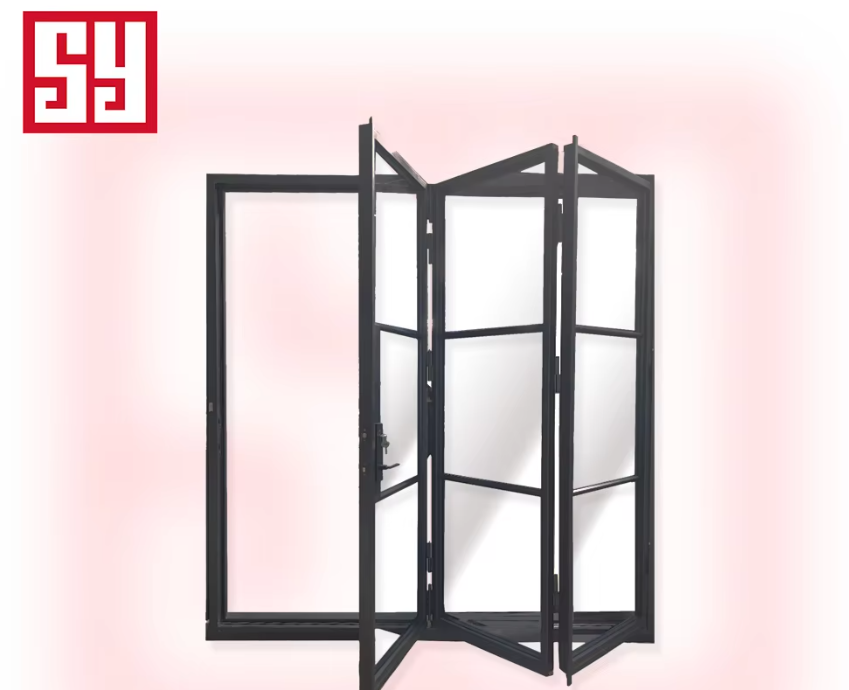
Four interdependent components form the functional backbone of folding doors:
When put together, these components form a well balanced system where each part plays its role. The top track handles the side to side movement, while pivot brackets take care of spreading out the weight vertically. Connectors keep everything moving smoothly between panels without any hiccups. Speaking of improvements, bottom guides really make a difference when installing these systems. According to the Architectural Hardware Review from last year, they cut down on mistakes during installation by almost 60%. And don't forget about maintenance either. Keeping those rollers, pivots and connectors properly lubricated makes all the difference in how long the whole thing lasts and performs reliably over time.
A few simple checks before getting started can save headaches later on. Look along the top track and bottom guide with a flashlight to spot any debris that might be lurking there. Small bits of dirt or dust can really mess things up by derailing the rollers or jamming those pivot points. Don't forget to give all the moving parts a good dose of silicone-based lubricant every three months or so. Dry mechanisms create way more friction than they should, sometimes as much as 70% extra according to some studies from Mechanical Engineering Journal back in 2023. And finally, make sure each panel is sitting properly against the ones next to it. Give them a gentle push sideways to test how stable everything feels. Most problems with bi-fold systems come down to loose brackets or worn out connectors somewhere in the setup.
Start with the front panel first. Stand at right angles to where the door sits and get a good grip on the handle. Make sure every panel lines up straight across before pushing them together gently towards where they need to go. Hurrying through this part can really mess up the hinges and cause folding problems later on. Work your way through each section one after another, kind of like collapsing an accordion, keeping space between each piece so nothing gets squished or leaves gaps. When putting everything in place finally, check that all those folded panels sit flat inside their storage spot without any twisting. Following these steps carefully actually makes a big difference. The stress points on those pivot brackets stay balanced much better, and we find ourselves fixing alignment issues about half as often as when people just throw them together without thinking.
When panels stick, bind, or get out of alignment, it's usually because of dirt buildup, lack of proper lubrication, or small changes in structure over time rather than something wrong with how they were designed. Begin cleaning by running a vacuum along both the upper track and lower guide, then wipe everything down with a good quality microfiber cloth to get rid of any dust, tiny bits of grit, or leftover residue. Check how well the rollers move around next. If they feel stiff, grab some silicone based spray lubricant instead of petroleum products which can actually damage components. For those stubborn alignment problems where panels just won't sit right, pull out a spirit level and see if the panel is straight vertically. When there are uneven gaps between sealing surfaces, gently loosen those pivot bracket screws, adjust the position until spacing looks even all around, and then tighten them back up securely. Most folks who work on these systems regularly find that doing quick monthly checks visually and functionally stops about four out of five potential problems before they become real headaches down the road.
Getting the tension just right makes all the difference for how well these doors will work over time. Look for those adjustment screws on the pivot brackets they're typically found at the spots where panels meet the overhead track. Turn them about a quarter at a time though. After making any changes, always check how smoothly the door moves. If things get too tight, the hinges will suffer and wear out faster. But if it's too loose, panels start to wobble around and don't stack properly anymore. For bottom rolling systems specifically, grab a laser level to make sure everything is straight across the track. Place small shims underneath support points when there are slight dips or bumps in the floor. Doors that have been adjusted correctly slide effortlessly without resistance and maintain their stacking pattern every single time. This kind of proper setup can actually improve efficiency by roughly 40 percent compared to doors that haven't had their tensions adjusted properly.
 Hot News
2026-10-19
2026-10-12
2026-10-07
2026-09-25
2026-09-17
2026-09-11

Xiamen SenYi is a professional enterprise specializing in the research, design, production and sales of high-quality iron doors. It is dedicated to providing customized iron door that combine safety, practicality and aesthetic value for various customers.
No. 1043, Yincheng Mingzhu, Tong'an District, Xiamen City, Fujian Province, China
Copyright © 2025 by Xiamen SenYi Ironware Co., Ltd Privacy Policy
 EN
EN