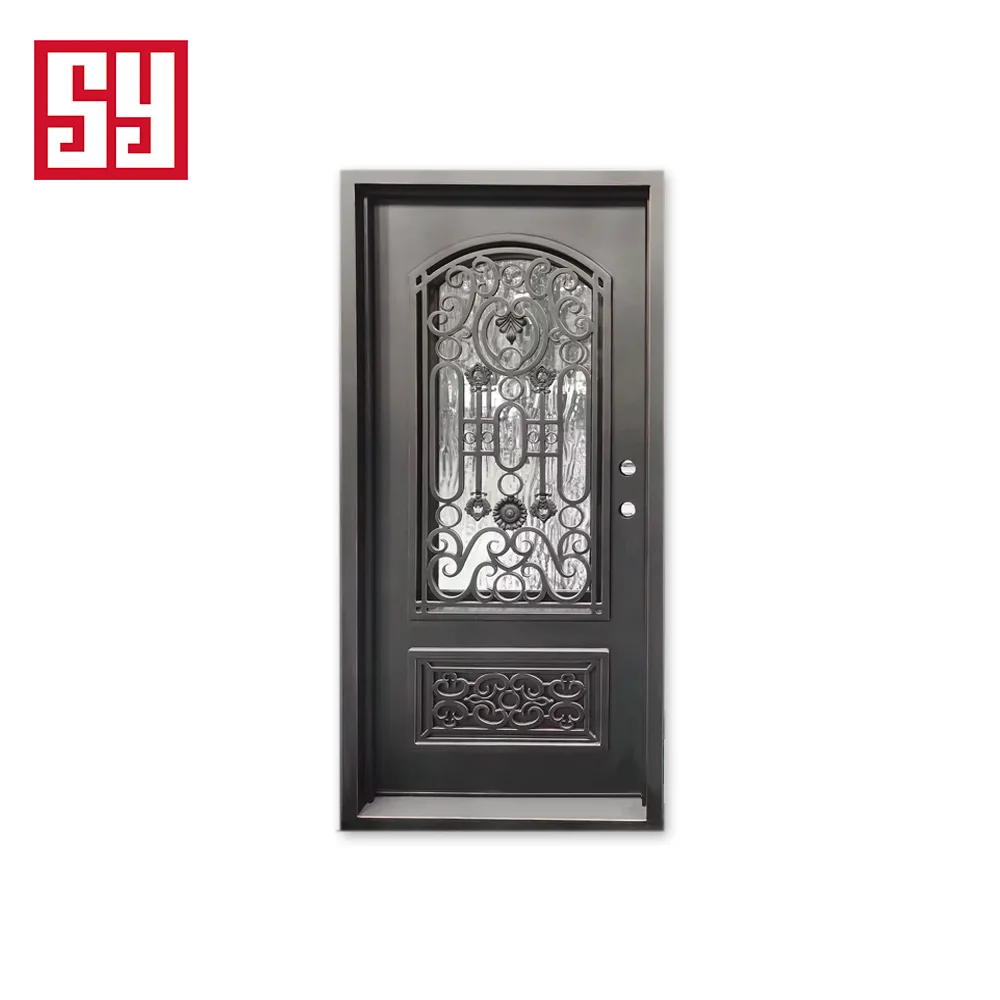
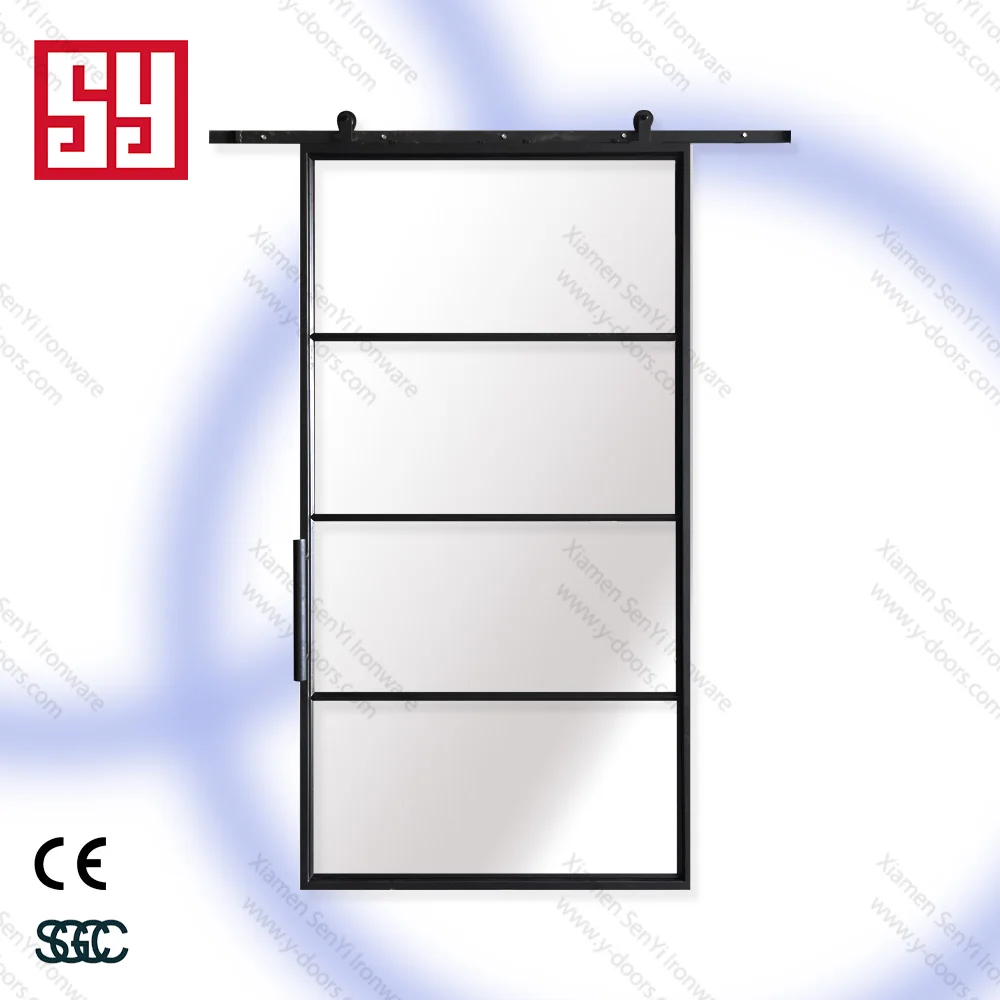
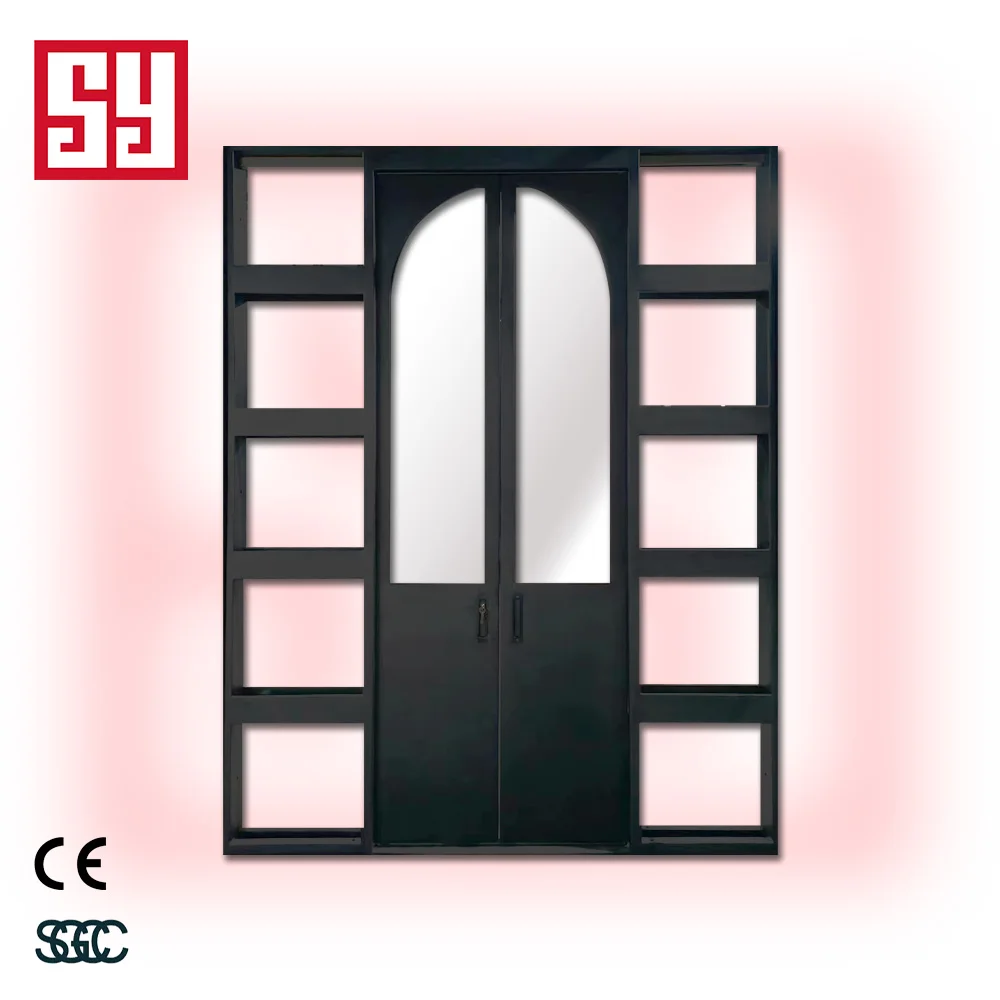
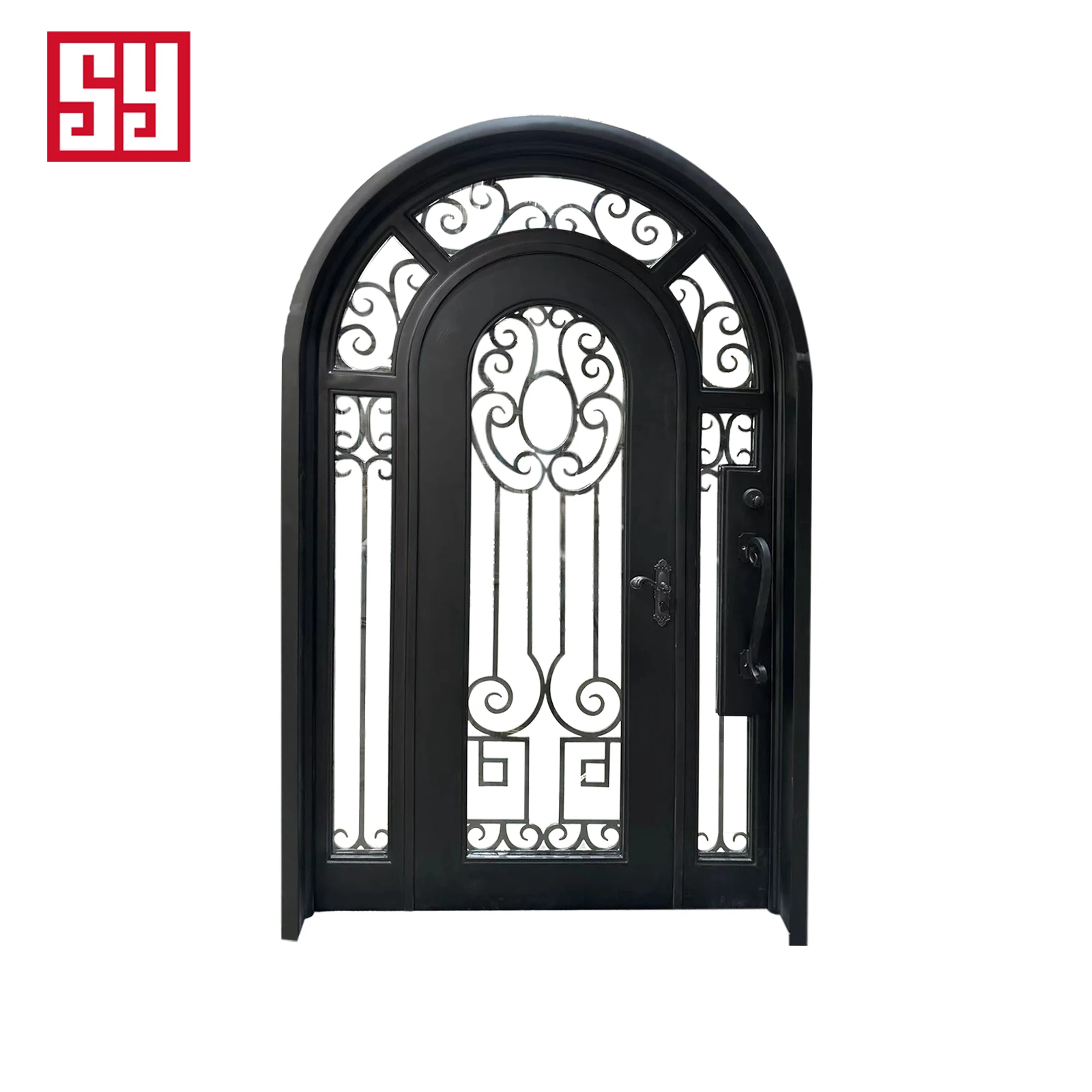
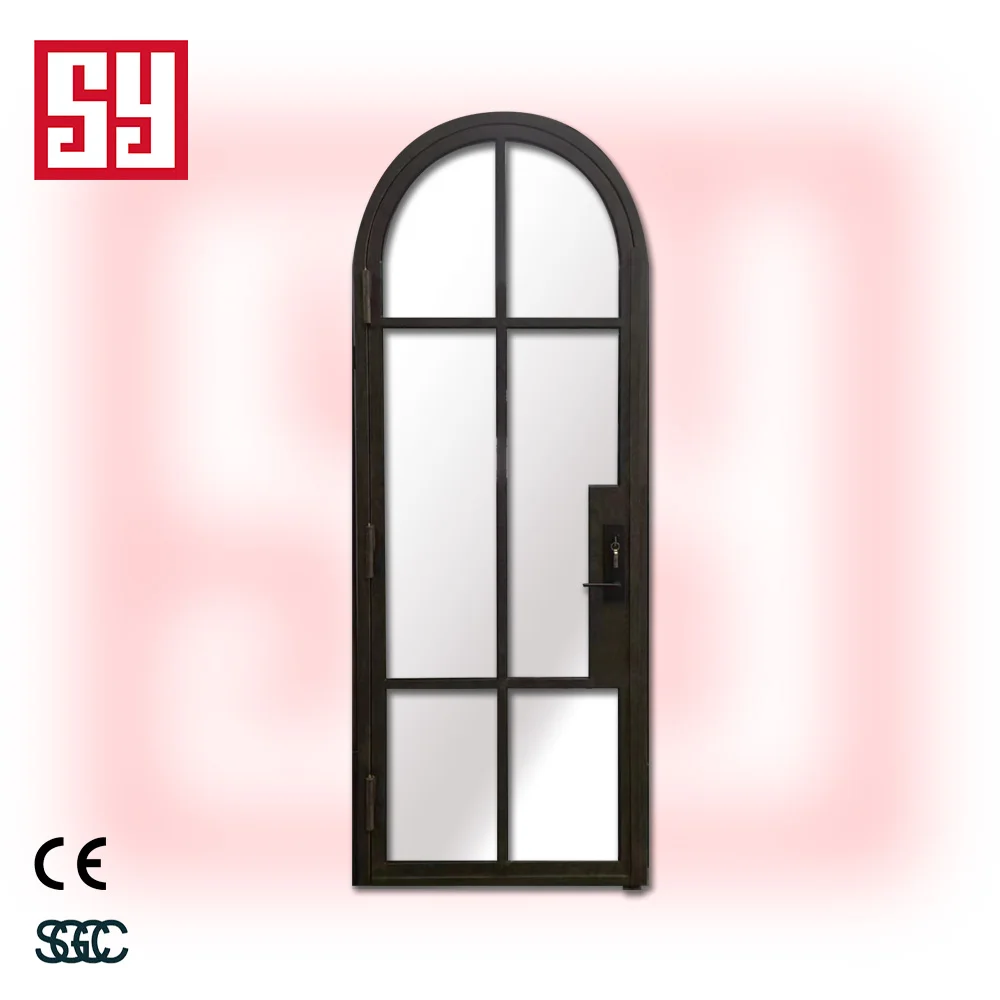
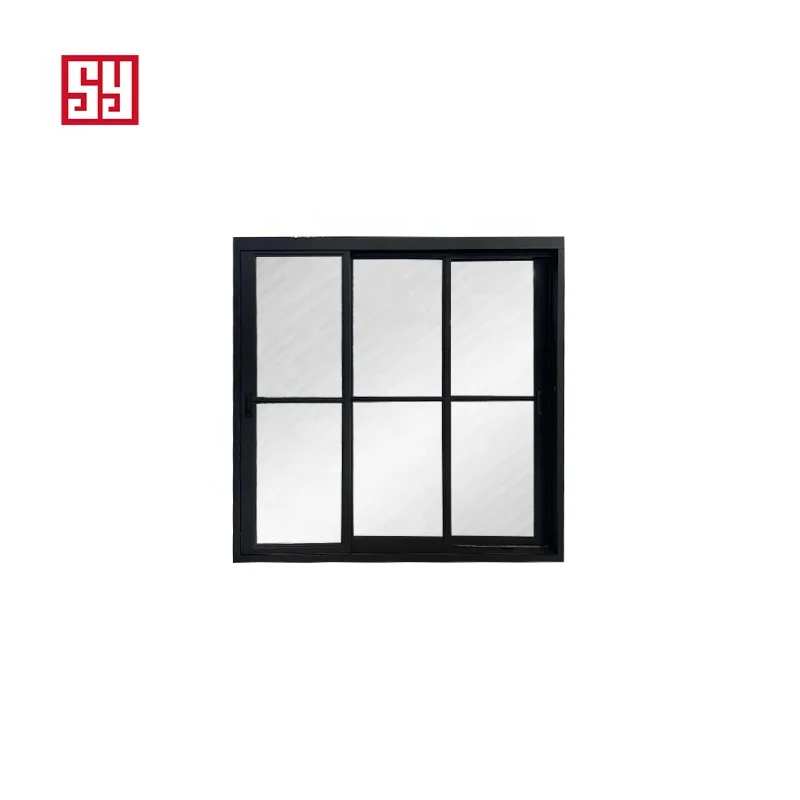
Regular hinged doors need around 10 square feet just to open properly, which can really mess up furniture arrangements and make moving around difficult in small areas. Bifold doors solve this problem because they fold like an accordion on tracks mounted at the top, then stack neatly against walls or next to other units when opened. For tiny laundry rooms measuring less than 50 square feet, these doors actually free up about 37% more space compared to traditional swinging doors according to research from RIBA back in 2023. Since there's no need for extra room when opening them, those hard-to-reach corners where cabinets and appliances sit stay completely accessible. People don't trip over door swings anymore either, so everything becomes safer and makes better use of limited space overall.
Door selection critically shapes functionality in small rooms. The table below compares real-world spatial impact:
| Door Type | Clearance Required | Usable Floor Yield | Installation Flexibility |
|---|---|---|---|
| Hinged (swing) | 8–12 sq ft | 68–72 sq ft | Low |
| Sliding | 3–4 sq ft | 76–77 sq ft | Medium |
| Bifold | 1–2 sq ft | 78–79 sq ft | High |
Bifold doors maximize opening width—delivering over 90% aperture versus just 50% for sliding doors—making them especially effective in pantries, micro-offices, and utility zones where full access is non-negotiable.
Even though studies show they can free up about 37% more usable space according to RIBA's 2023 report, bifold doors still only show up in around 18% of small room designs. Why this big difference? Well, there are basically three myths holding people back. First off, many think the tracks take away from wall space, but actually modern top hung systems don't need any floor space at all. Then there's worry about how long they'll last. The truth is today's aluminum frames can handle over 50,000 opening and closing cycles without issues. And finally, some folks believe they cost too much upfront compared to regular hinged doors. Sure, they do come with a price tag that's roughly 15 to 20 percent higher initially, but architects working on accessory dwelling units, tiny houses, and home renovations keep finding that the extra space makes all the difference in the long run when it comes to making better use of limited square footage.
Glass bifold doors elevate compact interiors by flooding them with natural light and dissolving visual boundaries between zones. Their slim, thermally broken profiles support expansive glazing without sacrificing performance or comfort.
Glass panels stretching from floor to ceiling with very little framing let the eye see past actual walls, making spaces look bigger than they really are. Studies suggest rooms can appear 22 to 35 percent larger when using this technique, especially helpful for small kitchens or narrow hallways below 80 square feet. These uninterrupted views create a sense of connection between different parts of a home, which helps people feel less trapped in tight spaces. That's why so many modern designs incorporate these large glass sections as part of their open layout approach.
When thermally broken aluminum frames are combined with low emissivity glass, they can get U values under 1.2 W per square meter Kelvin which beats regular glazing by a long shot. North facing rooms benefit particularly well from this setup since it brings in around 40 percent more useful daylight in winter months while keeping the summer sun at bay. People who live in houses with these windows notice they don't need lamps as much during the day, particularly in places like kitchens and laundry rooms where lighting was once a problem. The way the light spreads across the room creates a really pleasant atmosphere too, without those annoying dark patches that make spaces feel cramped. Most folks find their homes just feel bigger and brighter overall.
Small laundry rooms under 50 square feet face real challenges with accessibility and getting things done efficiently. Bifold doors actually fix these problems pretty well. They fold right into the wall instead of swinging out, so there's no annoying arc taking up precious floor space where people need to move around. When paired with proper ADA hardware and those low threshold tracks, folks in wheelchairs can navigate through easily even when juggling laundry baskets. The full open design lets multiple appliances be used at once too. Washer, dryer, storage all become accessible without having to constantly move from one spot to another. Studies show this cuts down on transition time between tasks by somewhere around 30 to 40 percent. Sliding doors just don't cut it here since they block about half the doorway. Bifold options pass the 32 inch clearance test set by ADA standards and also help avoid those frustrating collisions we see in busy areas like apartment hallways or commercial laundromats.
Double doors can really transform tight pantry spaces because they don't need the floor space that regular swinging doors require. Instead of taking up room when opened, these doors fold neatly against the wall or door frame. This means shelves stay at their maximum depth and people can reach everything without having to move anything around first something that makes a big difference while someone is actually cooking in the kitchen. For those small galley kitchens that measure less than 80 square feet, this kind of door setup solves a lot of space problems. Homeowners report moving around their kitchens much quicker when the pantry stays accessible throughout meal prep time, though exact numbers vary depending on individual kitchen layouts and usage patterns.
Regular hinged doors take up around 12 to 15 square feet in those narrow closet spaces, which basically cuts down on how deep we can actually use them. Three panel bifold doors solve this problem by folding neatly into just six inches thick, turning cramped storage areas into something closer to walk-in closets without needing any changes to walls or structure. These doors open almost completely at over 90 degrees, so people can actually see everything stored in corners and reach items hanging back there too. For folks concerned about accessibility issues, these systems work great with special tracks that meet ADA standards for low thresholds. This makes getting into small bedroom spaces much easier for everyone, especially showing how choosing the right kind of door can really transform what's possible inside our homes without tearing things apart.
 Hot News
2026-10-19
2026-10-12
2026-10-07
2026-09-25
2026-09-17
2026-09-11

Xiamen SenYi is a professional enterprise specializing in the research, design, production and sales of high-quality iron doors. It is dedicated to providing customized iron door that combine safety, practicality and aesthetic value for various customers.
No. 1043, Yincheng Mingzhu, Tong'an District, Xiamen City, Fujian Province, China
Copyright © 2025 by Xiamen SenYi Ironware Co., Ltd Privacy Policy
 EN
EN